REVIEW · LA FORTUNA
Cooking Class “Cook Like a Local” La Fortuna
Book on Viator →Operated by Desafio Adventure Company · Bookable on Viator
Dinner with locals starts with chopping. In La Fortuna, this “Cook Like a Local” class is interesting because you get hands-on cooking of classic Tico food, then you eat what you make right away. Two things I especially like: the hotel pickup and drop-off, and the chance to learn a real Costa Rican menu instead of just watching someone cook. One thing to keep in mind: the farm-and-garden part can vary by day, so you may find ingredients pre-prepped rather than a full, dramatic farm-to-table story.
The whole evening runs around 5:00 pm and takes about 2.5 hours, usually in an open-air, scenic setup near El Salto. Instructors rotate (I’ve seen names like Kathy, Jenny, Katherine, Eli, and Antonio), but the common theme is a friendly, practical cooking lesson with plenty of conversation—and a meal you can actually replicate.
In This Review
- Key things to know before you book
- A 5 pm pickup and an open kitchen by El Salto
- The menu you’ll cook: Kiss of the Cacique, casado, tortillas, and salad
- Garden time and the farm-to-table question (what to expect in real life)
- Hands-on cooking: how the class feels from start to finish
- Dinner plus coffee: the part that makes it worth it
- Price and value: is $63 fair for a 2.5-hour dinner class?
- Who this class is best for (and who should look elsewhere)
- Timing, group logistics, and the practical stuff that matters
- Should you book Cook Like a Local in La Fortuna?
- FAQ
- How long is the cooking class?
- What time does it start?
- Does the price include dinner?
- Is hotel pickup and drop-off included?
- Do I get a cocktail or coffee during the class?
- Is it hands-on or more of a demonstration?
- Are dietary restrictions accommodated?
- What is the minimum age?
- Is there a limit on group size?
- What if the weather is bad?
Key things to know before you book
- Hotel pickup and return: You don’t have to navigate La Fortuna streets after dark.
- A full Costa Rican menu: Expect casado-style components, plus tortillas and sides.
- The Kiss of the Cacique cocktail: A fun start before the cooking gets serious.
- Garden salad ingredients: You might pick produce; sometimes it’s already staged for speed.
- Email recipe follow-up: Many people get recipes right after the class.
- Dietary options exist: Gluten-free, vegetarian, and vegan options are available if you tell them.
A 5 pm pickup and an open kitchen by El Salto
This is the kind of tour that starts by solving a real problem: getting to a cooking experience without fuss. You’re picked up at your hotel and brought to the Desafio Adventure Company side of things, then the group settles into the cooking venue near El Salto and close to downtown La Fortuna.
The location is part of the appeal. One thing that comes through clearly is the setting: you’ll be in a tucked-off spot that feels like a real working kitchen with tables set up for a sit-down meal. One review also mentioned a steep hill approach, so if you’re sensitive to slopes, plan on some uphill walking from the drop-off point.
The good news: you’ll return to your original meeting point afterward. So you’re not stuck figuring out dinner plans at 8:00 or 8:30 pm. You’ll already be fed.
You can also read our reviews of more tours and experiences in La Fortuna.
The menu you’ll cook: Kiss of the Cacique, casado, tortillas, and salad
Let’s talk food, because that’s the whole point here.
You begin with a tropical cocktail called Kiss of the Cacique. In at least one detailed menu example, it’s made with sugarcane liquor. Either way, it’s a nice rhythm-setter: a drink to start the evening, then right into the chopping and cooking.
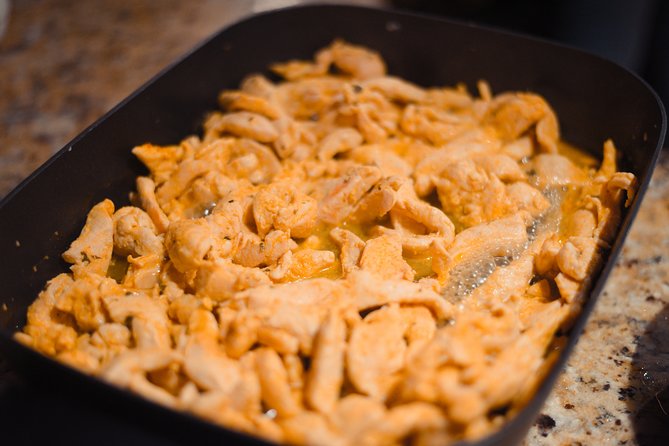
Then you build a Costa Rican classic: casado. Casado is the comfort-food heart of the country—typically a plate centered on meat (or chicken), rice, beans, and sides. In the class, that “casado” approach shows up through the mix of what you cook and what you assemble together: chicken-style components, rice/beans, and cooked sides (often referred to as picadillos and guisados).
You’ll also work on tortillas. Several people specifically call out handmade corn tortillas, which matters because tortillas are where home cooking and cultural technique really show. Even if you’re not a confident cook, tortillas are the one thing you can learn by doing.
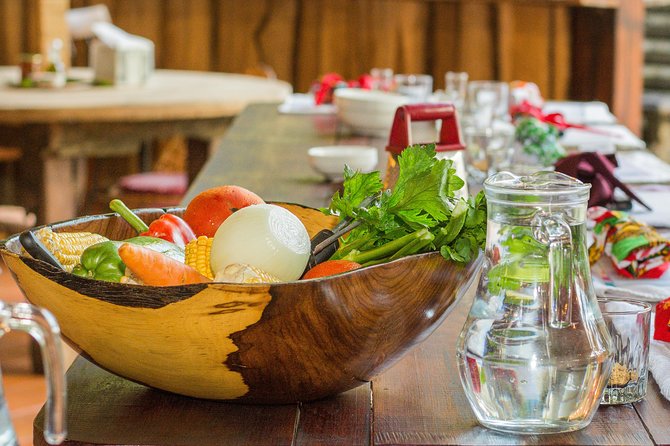
Finally, there’s a salad component. The experience description highlights visiting a garden and picking vegetables for a fresh salad. In practice, you’ll likely end up with a crisp, simple salad that balances all the heavier casado flavors—especially if you enjoy fresh greens and crunchy cabbage-style sides.
Garden time and the farm-to-table question (what to expect in real life)
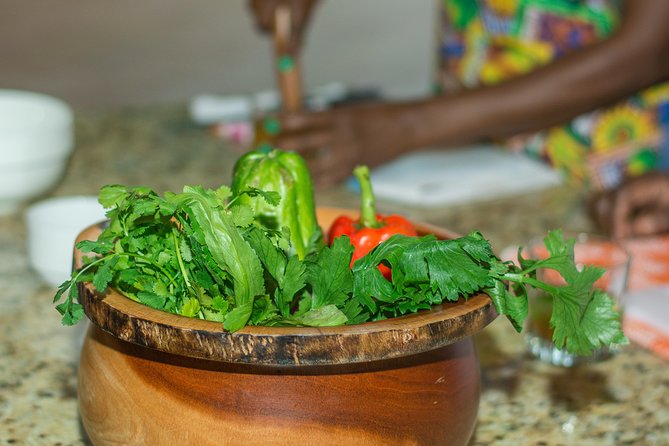
Here’s where I’d be honest with you: the class is described as garden-based and ingredient-focused, but people’s experiences can differ.
The pitch is clear: you’ll learn about the farm/growing side of ingredients and you’ll likely visit a garden to pick items for salad. That can be a great Costa Rican moment—walking through plants, talking about what grows locally, and then turning those flavors into dinner.
But some people report a version that’s more “grocery + kitchen” than “farm visit.” In those versions, you might find ingredients already cleaned, or only a small set of herbs/greens staged for chopping. Another complaint includes limited cooking time, with more prep already done.
So how should you plan?
- Treat the garden pickup as a potential bonus, not the entire promise.
- If you’re booking mainly for a big farm-to-table story, I’d message ahead (or ask your booking channel) whether your specific evening includes active picking versus staged produce.
This is still a good cooking class even if the farm moment is small. The value is the meal and the technique. Just don’t count on an all-day agricultural field experience.
Hands-on cooking: how the class feels from start to finish
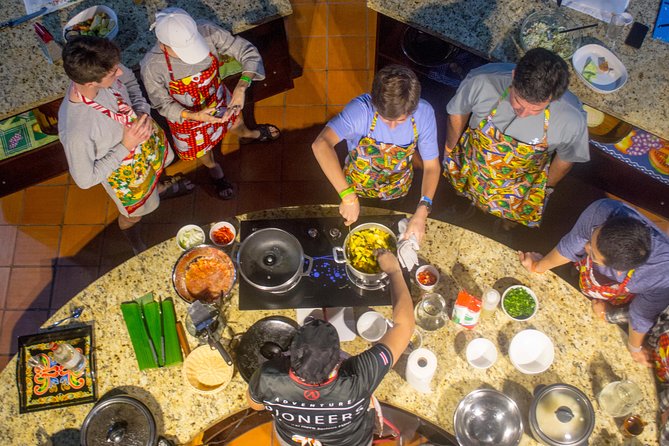
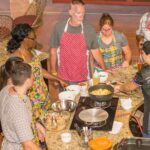
This is an interactive format. You’re not there to sit and watch. You’ll mix, chop, assemble, and help with the cooking steps that make casado-style food taste the way it does.
A helpful detail from the experience flow: the instructor explains what you’re doing and what the ingredients are for, then you take turns with tasks. People describe it as hands-on for both adults and teens. One family said their teenagers really got into it—especially salad and veggie prep.
You’ll also get the social side of cooking. The class includes lots of conversation while you work, and it’s not just about food facts. It’s also the vibe of being in a real evening meal setting.
One small note: group size can affect how hands-on you feel. The activity caps at a maximum of 50 travelers, and real-world groups can vary. I’ve seen examples of groups of nine and groups around a dozen. When groups get bigger, tasks can shift from deep hands-on to a “help in parts” situation, especially if the kitchen is optimized for speed.
Dinner plus coffee: the part that makes it worth it
Dinner is included, and you’ll eat what you cooked. That matters because too many cooking classes end with a few bites and a polite farewell. Here, the goal is to leave stuffed, not just “educated.”
After dinner, you’ll relax with a cup of coffee. The coffee step isn’t just tradition; it’s time to slow down, share recipes, and get practical takeaways. If you’re the type who likes to re-create meals at home, this part is gold.
Many people also report getting recipes after the class via email. That’s an underrated value add. It turns a one-time evening into an actual “next time I cook this” plan.
Price and value: is $63 fair for a 2.5-hour dinner class?
$63 per person sounds straightforward, but the real question is what you’re buying.
In this case, you’re getting:
- Hotel pickup and drop-off
- A structured cooking class
- Dinner
- A cocktail start (Kiss of the Cacique)
- Coffee afterward
- Recipe sharing via email in many cases
When you add up those pieces, the price looks more like “transport + dinner + guided instruction” than just a food activity. And because the cooking is hands-on, you’re not paying for a show.
That said, be realistic about the class experience. A couple people felt the cooking time was shorter than expected and that food quantities weren’t enough for larger groups. Those are outlier experiences, but they’re worth knowing if you’re comparing this against a restaurant meal.
My practical advice: if you want maximum chopping time, come hungry, keep a good attitude, and plan to help where you can. You’ll get the most value when you’re active.
Who this class is best for (and who should look elsewhere)
This tour fits best if you want a friendly, practical way to learn Costa Rican cooking without needing special equipment or advanced cooking skills.
You’ll especially enjoy it if:
- You like hands-on food activities more than museum-style “watching.”
- You want an evening plan that includes dinner.
- You’re traveling as a couple, a family, or a small group that enjoys chatting while cooking.
- You’re curious about Tico staples like casado and corn tortillas.
You might think twice if:
- You booked specifically for a major farm-to-table trek where you do most of the work outdoors.
- You need a long, guaranteed timeline with constant individual chopping for every participant.
- You’re extremely sensitive to portion size or pacing (even though most people report a satisfying meal, a small number of experiences describe tight timelines).
Also, bring your dietary needs upfront. The class offers options like gluten-free, vegetarian, and vegan if you share restrictions.
Timing, group logistics, and the practical stuff that matters
The class starts at 5:00 pm. That’s a smart time for La Fortuna because it lines up well with an evening meal and avoids the harshest daytime heat.
Because it’s a cooking and meal event, wear clothes you don’t mind getting a little sticky. You’ll likely be chopping and handling ingredients. If you tend to get cold in breezy evening air, bring a light layer.
Group setup can be split. One person noted that tables weren’t arranged together as one group during prep, so participants worked in different areas. That isn’t a deal-breaker, but if you’re traveling with friends and want to cook side-by-side the whole time, it helps to be flexible.
On language: several reviews mention strong English skills, which makes it easier to learn techniques instead of just translating vibes.
Should you book Cook Like a Local in La Fortuna?
Book it if you want a fun, hands-on Costa Rican dinner with a real structure: cocktail first, casado-style cooking next, tortillas and salad as the supporting cast, then coffee and recipes after.
Skip (or confirm specifics) if your main goal is a heavy-duty garden and farm visit, where you pick most ingredients yourself and cook them from scratch with minimal pre-staging. In that case, ask whether your session includes active picking versus ingredients that are already cleaned and ready.
If you’re on the fence, here’s my simple test: if you’d still enjoy a friendly cooking class and a solid casado dinner even without a big farm walk, you’ll likely be happy with this one. If you want the agricultural excursion to be the star, do a quick message to clarify what your evening will include.
FAQ
How long is the cooking class?
It runs about 2 hours 30 minutes (approx.).
What time does it start?
The start time is 5:00 pm.
Does the price include dinner?
Yes. Dinner is included.
Is hotel pickup and drop-off included?
Yes. You get hotel pickup and drop-off, so you don’t need to find the meeting point on your own.
Do I get a cocktail or coffee during the class?
The experience includes a tropical cocktail at the beginning and coffee after dinner.
Is it hands-on or more of a demonstration?
It’s hands-on. You’ll help prepare components like casado elements, tortillas, and a salad.
Are dietary restrictions accommodated?
Yes. They mention options for gluten-free, vegetarian, vegan, and other restrictions—tell them when booking.
What is the minimum age?
The minimum age is 5 years old.
Is there a limit on group size?
The maximum is 50 travelers.
What if the weather is bad?
The experience requires good weather. If canceled due to poor weather, you’ll be offered a different date or a full refund.