REVIEW · SARDINIA
Cagliari: natural cultural walking, food wine tasting experience
Book on Viator →Operated by Sardfulness - an authentic journey · Bookable on Viator
Cagliari tastes like a local love letter. This small-group walk (max 8) pairs city storytelling with Sardinian food and wine tastings and a proper nature stop in the Giardino sotto le Mura park. I especially liked the way guide Lele ties each bite to place, not just product. One note: the tastings don’t offer veggie or seafood alternatives, so plan ahead if you eat that way.
You’ll start near the Rinascente area at Carlo Felice, then stroll through historic quarters and take photo-worthy breaks along the way. The route includes green spaces between the districts of Castello and Villanova, and it’s not all pavement and chatter; you also get a chance to see Pinuccio Sciola’s basalt-and-limestone sound stones. A possible drawback is that the walking can feel uphill at times, especially if it’s warm.
If you want a Cagliari day that feels local and practical, this is the kind of tour that helps you get it fast: the city’s geology, language pride, and food culture all connect in about 2.5 hours.
In This Review
- Key things to know before you go
- A 2.5-hour walk that actually teaches you Cagliari
- Meet Lele: how the guide turns food into culture
- Giardino sotto le Mura: gardens, limestone, and Pinuccio Sciola sound stones
- Historic quarters plus photo breaks in Cagliari’s fishing zone
- What you’ll taste: raw-milk cheeses, cured meats, bread, olive oil, and sapa
- Natural wine stops: what to expect and how to enjoy them
- The gelato finish: a sweet landing after savory tastings
- Is it strenuous? A realistic look at the walking
- Price and logistics: what $108.89 buys you
- Who should book this tour, and who should skip it
- Should you book the Cagliari natural culture food and wine walk?
- FAQ
- How long is the Cagliari natural culture food and wine tour?
- Where does the tour start and where does it end?
- Is hotel pickup available?
- Is the tour in English?
- Do the tastings include vegetarian or seafood alternatives?
- What is the group size?
- Is admission included for Giardino sotto le Mura?
Key things to know before you go
- Max 8 people keeps the pace relaxed and questions actually get answered.
- Food-and-wine tastings cover cheeses, cured meats, breads, olive oil, and sweet finishing bites.
- Giardino sotto le Mura includes admission, plus a nature-and-art stop with sound stones.
- No veggie or seafood alternatives at the tastings, so dietary fit matters.
- Pickup only in Cagliari’s metropolitan area; otherwise you’ll meet in the city center.
A 2.5-hour walk that actually teaches you Cagliari
For the money, what makes this tour feel fair is that you’re paying for more than snacks. You’re buying time with a local guide, stops in specific city pockets, and multiple curated tastings that reflect Sardinia’s everyday tastes. At about 2 hours 30 minutes, you get enough walking to feel the neighborhoods, without turning the day into a marathon.
The small group size (up to 8) is a big deal here. In a bigger crowd, food tours turn into a conveyor belt. With this one, you can ask why something is made a certain way, or what role it plays in Sardinian life. That’s when the experience shifts from eating to understanding.
I also like the pacing logic. Reviews mention that on hotter days, the guide adjusts the route toward greener, shadier streets. That matters in Cagliari because the city isn’t flat, and sun can turn a pleasant stroll into a sweaty grind. Bring comfy shoes either way, but know the guide is thinking about comfort.
You can also read our reviews of more tours and experiences in Sardinia.


Meet Lele: how the guide turns food into culture
The biggest reason this tour earns near-perfect scores is the guide. Reviews repeatedly point to Lele (also listed as Emanuele/Emmanuel in different spellings) as passionate, funny, and very well connected. He doesn’t just list facts. He explains how Cagliari works, and he does it with real local references—meeting shop owners, chatting with people outside, and sharing context you can’t easily find on your own.
A practical bonus: Lele guides in English, and he’s described as easy to follow. Several comments also mention that he’ll help bridge language gaps, including mixing Italian and English so you can practice. If you enjoy learning a few phrases and understanding how locals live, you’ll feel extra at home.
He also brings a wider lens than typical food guides. Reviews mention that he’s an anthropologist and that he discusses the Sardinian language (Sardo) as part of identity, not just trivia. That kind of framing makes the tastings feel anchored in the island’s culture, not like random samples picked by a tour company.
Giardino sotto le Mura: gardens, limestone, and Pinuccio Sciola sound stones
This is the stop that adds the “natural cultural” part, and it’s more interesting than it sounds at first glance. The Giardino sotto le Mura is a green jewel between Castello and Villanova. It’s not a generic city park. It sits on limestone ridge material tied to the city’s past quarrying, and you’ll get a sense of the island’s environment through the plants and geology.
You’ll see plant species that tell a longer story than “pretty trees.” The park is described as having a centuries-old olive tree, a splendid carob tree, oaks, and other Sardinian flora. One detail I love is the abundance of caper bushes along the limestone ridge. Those capers aren’t just a garnish to your palate; in Sardinia, they’re part of a landscape and a food culture built from what grows where.
Then there’s the art angle. You’ll also learn about Pinuccio Sciola, a major Sardinian artist connected to the natural soul of the island. The park includes his famous sound stones, sculptures made in basalt and limestone. Even if you don’t know his work yet, the idea clicks fast: he uses local materials and places art in conversation with the land.
Admission for this stop is included, so you’re not stuck doing math while you’re on a walking tour. Expect about 20 minutes here, which is enough time to see what’s important without losing the rhythm of the day.
Historic quarters plus photo breaks in Cagliari’s fishing zone
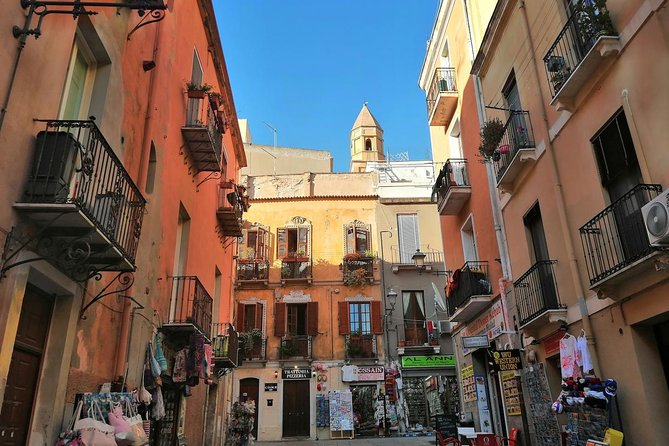
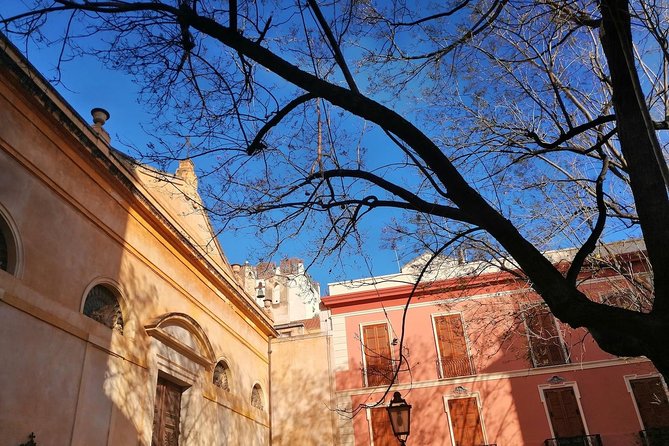
Beyond the park, the tour moves through Cagliari’s old neighborhoods. Highlights point to the historic fishing district and a stop designed for photos. That’s a smart choice: fishing areas in European coastal cities tend to show the real texture of daily life—small streets, practical buildings, and the kind of street-level rhythm that disappears when you only visit museums.
You’ll also be in the Castello/Villanova area long enough to feel the transition from old stone to greener pockets. The reviews mention learning how the city has evolved over time and having lots of photos and information to help you understand what you’re walking past.
If you want a quick self-check before booking, ask yourself this: do you like photo-worthy streets when they’re explained to you? If yes, you’ll love this part. If you only want skyline views and don’t care about local context, you might find some streets slower than you expected. The tour is designed for culture-leaning walkers.
One extra practical note from reviews: there’s mention of a viewpoint terrace with a 360-degree view during the walk. Since that’s not guaranteed by every listing detail, just know it’s the kind of stop your guide may include when the route allows.
What you’ll taste: raw-milk cheeses, cured meats, bread, olive oil, and sapa
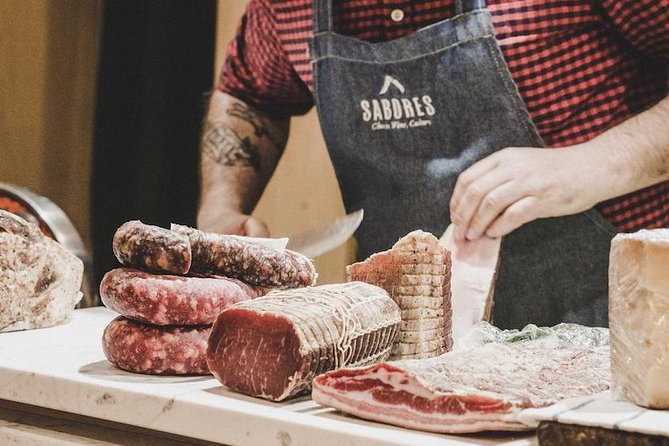
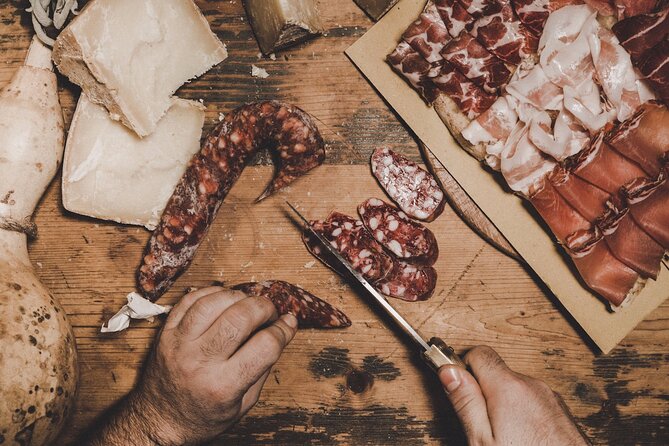
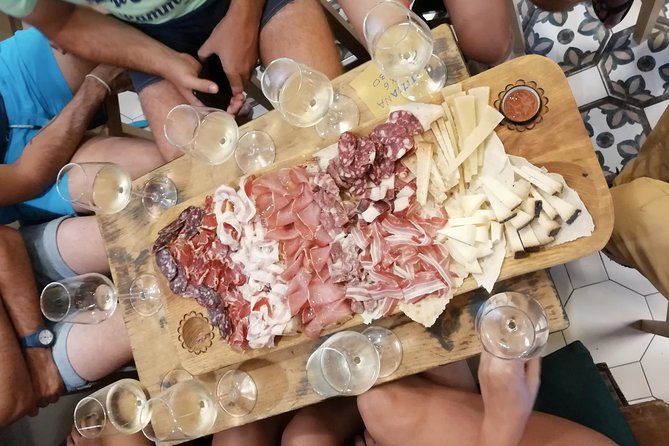
This is a food-and-wine tour, so let’s talk about what’s actually on the table. Reviews describe two main tasting phases and a final sweet stop. The savory tastings focus on Sardinia’s core staples:
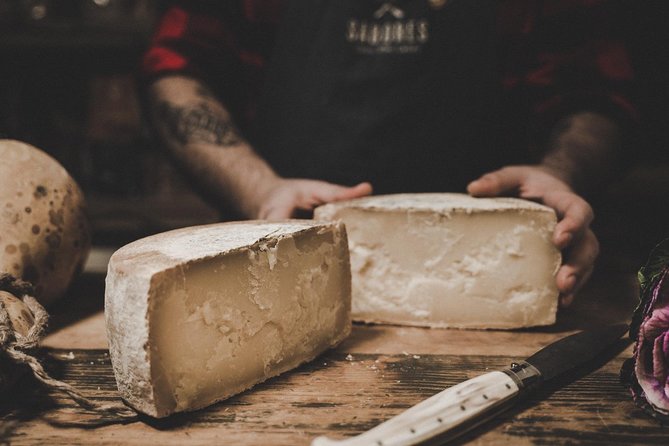
- Cheeses often made with raw sheep’s milk (and sometimes goat and sheep varieties, including pasteurized options)
- Cured meats such as mustela, coppa, raw ham, and wild boar salami
- Sardinian bread with olive oil, plus salt flavored with wild fennel seeds
- Sapa, the cooked grape must made into a thick, sweet syrup
I like how the tour doesn’t try to overwhelm you with 10 different bites. Instead, you get a guided sequence where the guide can explain differences, like why specific cheeses matter, or what raw-milk traditions mean on an island where food heritage is taken seriously.
One caution is diet. The tastings do not include veggie or seafood alternatives. That doesn’t mean you’ll be left without options if you eat mostly fish or vegetables at home, but it does mean you should check with the operator before booking if that matters for you. If you’re flexible with dairy and meat, you’re in great shape.
Also note the tour is described as not a stuff-yourself experience. That’s good if you want to taste and talk, not just shovel. If you prefer large portions, consider eating a proper lunch before or after.


Natural wine stops: what to expect and how to enjoy them
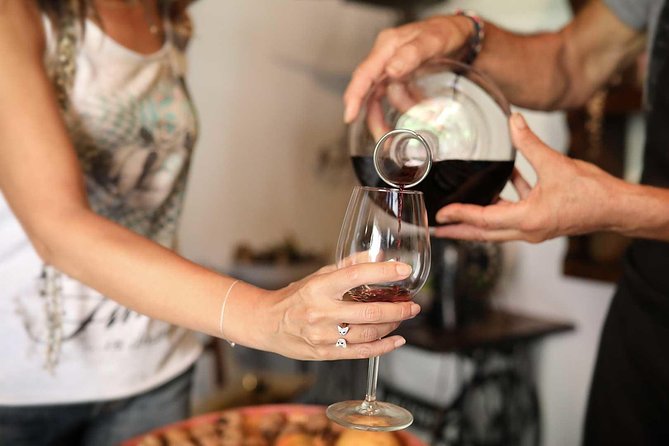
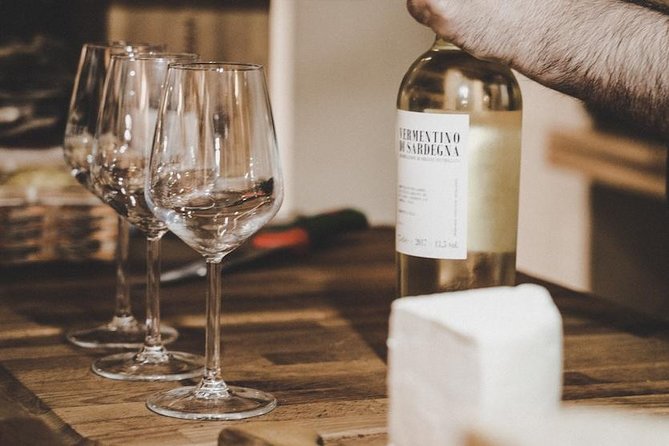
Wine is part of the story here, and the emphasis is on Sardinian natural wines. Reviews describe natural wines as unfiltered and also mention spontaneously fermented styles made from hand-picked grapes. At the tasting stops, the wine is paired with the local cheeses and cured meats so you can taste combinations, not just drink a glass.
One thing I find helpful when wine is involved: let the guide set the tempo. You’re on foot, so don’t rush. Sip, taste the food, then ask a question. Lele’s style seems built for that kind of back-and-forth. Reviews repeatedly mention that he’s friendly, well connected in the community, and knowledgeable about both history and food production.
If you’re the kind of traveler who likes to learn one practical detail—like what makes a wine “natural” or why a particular style is chosen—this tour gives you a great frame. If you only want the taste and don’t care about production, you can still enjoy it; you’ll just get less story.
The gelato finish: a sweet landing after savory tastings
Almost every strong review mentions a gelato stop at the end. That makes sense because the tour structure is savory and structured, and the sweet finale gives your palate a reset. Reviews say the gelato is hand-made and includes unique Sardinian flavors.
If you’re walking for 2.5 hours, your brain remembers the last flavor. That’s why the gelato stop works: it’s not a random add-on; it becomes the moment you associate with the tour.
Come hungry for sweets, but still keep it reasonable. You’ll likely already have tasted several savory items. Think of gelato as the final course, not the main event.
Is it strenuous? A realistic look at the walking
The official setup says most travelers can participate, which is reassuring. But one review mentions the walk getting strenuous due to a big uphill incline, especially in heat. That’s worth taking seriously when you’re planning.
My practical take: wear shoes you’d use for a hilly neighborhood. Bring water if you can, and don’t plan a huge after-tour workout. The guide may adjust the route for shade, but you should still expect some effort.
If you have mobility limits or you hate stairs and slopes, you’ll want to think twice. The tour isn’t described as fully accessible or step-free, and the hills are part of Cagliari’s feel.
Price and logistics: what $108.89 buys you
At $108.89 per person, you’re paying for a guided 2.5-hour walking experience with multiple tastings, plus admission for the park stop. In a place like Cagliari, where food quality can be high in small shops, the tastings aren’t just “samples.” They’re a curated selection of Sardinia’s favorites, including natural wine and raw-milk cheeses mentioned in reviews.
You’re also paying for the human factor: a guide who knows local people and can explain not just what you’re eating, but why it belongs to Sardinia. That’s hard to replicate with a self-guided snack run.
Logistics are simple. Start at Carlo Felice (Rinascente) area in Cagliari. Pickup is offered only from hotels in the metropolitan area of Cagliari. The tour ends back at the meeting point. It’s also near public transportation, which helps if you’re staying elsewhere.
Who should book this tour, and who should skip it
This tour is a great fit if you:
- Want a small-group walk where you can ask questions
- Love food culture and want tastings with context, not random samples
- Enjoy green spaces plus city history in the same morning
- Are happy eating dairy and cured meats
You might skip it if:
- You need vegetarian or seafood alternatives during tastings (these aren’t provided)
- You dislike hilly walking or struggle with inclines
This one works especially well if it’s your first time in Cagliari. It helps you get bearings fast and gives you names and flavors you can follow up later on your own.
Should you book the Cagliari natural culture food and wine walk?
My honest recommendation: book it if you want a Cagliari morning that blends walking, landscape, and real Sardinian tasting stops without feeling rushed. The best part is the guide’s connection to the community and the way the tour turns ingredients like sheep’s milk cheese, cured meats, olive oil, sapa, and natural wine into a story about island identity.
Skip or ask questions first if your diet doesn’t match the tasting plan. Otherwise, this is a strong way to spend a couple hours in Cagliari with a mix of art (sound stones), nature (caper bushes and Mediterranean trees), and food you’ll remember after the gelato melts.
FAQ
How long is the Cagliari natural culture food and wine tour?
It runs about 2 hours 30 minutes.
Where does the tour start and where does it end?
It starts at Carlo Felice (Rinascente) in Cagliari and ends back at the same meeting point.
Is hotel pickup available?
Pickup is available only from hotels in the metropolitan area of Cagliari.
Is the tour in English?
Yes, the tour is offered in English.
Do the tastings include vegetarian or seafood alternatives?
No. The tastings do not provide veggie or seafood alternatives.
What is the group size?
The tour has a maximum of 8 travelers.
Is admission included for Giardino sotto le Mura?
Yes. Admission ticket for Giardino sotto le Mura is included.