REVIEW · TENERIFE
Tenerife: Whale Watching Boat Tour with a Marine Biologist
Book on GetYourGuide →Operated by Biosean Whale Watching and Marine Science · Bookable on GetYourGuide
Whale calls are easier to hear than you think. On this Tenerife cruise from Las Galletas, I loved listening to cetacean sounds through a hydrophone while a marine biologist put the sightings into context.
You also get a front-row seat to Tenerife’s dramatic Malpaís de Rasca lava coast, with a lively little boat capped at 10 passengers. It feels controlled, not crowded.
The main catch is comfort. This tour is not suitable for people with recent surgery or back/neck problems, so read that part carefully before you go.
In This Review
- Key things that make this whale-watching tour worth your time
- Las Galletas to Malpaís de Rasca: the route that makes the cruise feel special
- Why the marine biologist makes the difference (and what you’ll actually learn)
- The hydrophone: turning whale watching into audio-based science
- Small boat, small group: how they keep the viewing respectful
- The 2.5-hour flow: safety briefing, viewing time, and field-study moments
- What you might spot in Tenerife waters (and how to set expectations)
- Price and value: does $77 make sense for this kind of tour?
- Practical tips: what to bring, what to avoid, and where it’s easiest
- Who should book this whale-watching cruise (and who should skip it)
- Should you book this Biosean whale-watching tour?
- FAQ
- Where does the whale watching tour depart from?
- Where exactly should I meet?
- How long is the tour?
- How many people are on the boat?
- Does the tour include a hydrophone?
- What languages are the guides available in?
- Is food included in the price?
Key things that make this whale-watching tour worth your time
- Hydrophone listening to help you catch underwater whale and dolphin sounds at close range
- Marine biologist guidance focused on real behavior, not generic facts
- Malpaís de Rasca cruising along the southern coast’s stark lava formations
- Max 10 passengers for quieter, more respectful observation
- Field-study style participation that turns viewing into an active learning moment
- Multiple languages (Spanish, English, French, Italian) so you actually get the explanations
Las Galletas to Malpaís de Rasca: the route that makes the cruise feel special
The tour departs from Biosean in Las Galletas, and you start by getting your bearings right at the port area. The meeting spot is Dock Number 4, Gate 4, and there’s a big free parking lot in front of the beach beside the port. If you park inside the port, it’s €1.20/hour, which is handy if you arrive late morning or want everything close.
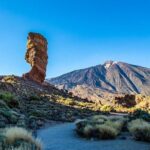
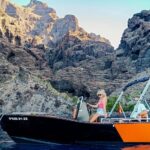
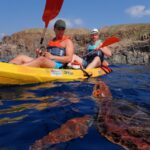
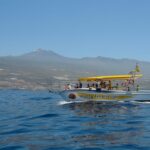
Once you’re aboard, the boat heads along Tenerife’s southern coastline and into the Malpaís de Rasca area, famous for its rugged, old lava formations. Even if you’re purely here for whales, this part matters. The coast gives you something to watch between sightings, and it also helps you understand why scientists care about this particular stretch of water.
You’ll also see La Gomera off in the distance on clear days. It turns the trip from a one-note hunt into a real coastal outing, with a mix of geology, sea life, and that feeling of being out on the water with a purpose.
You can also read our reviews of more tours and experiences in Tenerife.
Why the marine biologist makes the difference (and what you’ll actually learn)
This isn’t just a boat ride where someone points and hopes you look in the right direction. The guide is a marine biologist, and their job is to connect behavior and habitat to what you’re hearing and seeing.
In practical terms, that means you’re not stuck with vague storytelling. You get explanations about cetaceans and how they use their environment—what might be happening underwater, how sounds function, and why the animals react to certain conditions. One of the best things I found is that the guide is tuned to questions. In the small-group setting, you can actually ask things and get an answer that makes sense.
A recurring highlight from the experience is the sense of professional, respectful care. People talk about the team as prepared and passionate, and that shows in how you’re guided to watch from a respectful distance rather than chase an animal or crowd the moment.
The hydrophone: turning whale watching into audio-based science
Most whale watching is visual—scan, spot, celebrate. Here, you add a second channel: sound. The cruise includes a hydrophone so you can listen more closely to underwater calls.
This is one of those details that sounds technical but ends up being simple and fun. When you can hear what whales and other cetaceans are doing, your attention shifts from just spotting a fin or a splash to thinking about communication and presence.
A small-group setup helps a lot here. With fewer people around, the listening moments feel more orderly, and you’re more likely to hear what the guide is guiding you to focus on. It also makes the explanations land better, because you’re not only imagining what’s happening—you’re hearing clues in real time.
Small boat, small group: how they keep the viewing respectful
I appreciate tours that treat animal watching like a responsibility, not a performance. This one keeps the group limited to 10 participants, which changes the vibe immediately. Less noise. Less scrambling around for sightlines. More calm when animals appear.
It also shapes how you experience the viewing. You’re closer to the action than you’d be on a huge vessel, but the rules keep it respectful—no touching marine life, no feeding animals, and no trying to get physical for a better photo.
One practical benefit: with fewer people onboard, the flow during the trip is smoother. You’re still on a boat, so you need to move carefully and stay aware of your footing, but it feels manageable rather than chaotic. And yes, there’s enough energy onboard that the ride can feel quick and lively.
The 2.5-hour flow: safety briefing, viewing time, and field-study moments
The schedule is straightforward, and that’s good because it keeps your brain in “sea-time mode.” You start with a short walk-in moment, then you get a safety briefing (about 15 minutes). This isn’t just paperwork—it helps you know what to expect on the water and how the team wants you to behave during viewing.
Then comes the core part: marine life viewing for roughly 2.25 hours. This is where the boat navigates along the coast and the Malpaís de Rasca area, and where you’ll keep an eye out for cetaceans from a respectful distance.
What’s special is that it’s not purely passive. The tour includes a field-study style participation component. While you’re out there, you’re encouraged to engage more actively with what you’re learning—so the time feels like “doing science with a guide” instead of just “watching from a seat.”
Finally, you return to Biosean at the end of the cruise. The whole outing stays compact enough that you still have the rest of your day in Tenerife to explore on your own.

What you might spot in Tenerife waters (and how to set expectations)
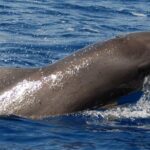
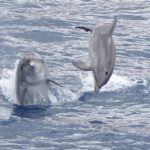
You’re out looking for marine mammals, and sightings can include a range of animals. In the stories people share from this tour, the most common extras are dolphins and turtles, and on lucky outings, people have reported seeing whales such as capodogli (sperm whales).
Here’s the practical way to think about it: this is wildlife watching, not a guarantee. What you can guarantee is the method—navigation along the right coastline, education from a marine biologist, and the hydrophone listening experience that helps you notice activity even when you don’t instantly see the animal.
That matters because it changes how you experience the quiet periods. You’re not stuck staring at empty sea surface thinking you missed everything. Instead, you’re pairing what you see with what the guide explains and what you might hear underwater.
Price and value: does $77 make sense for this kind of tour?
At around $77 per person for a 2.5-hour small-group cruise with a marine biologist and a hydrophone, I think the value comes from the structure—not just the boat.
You’re paying for:
- A marine biologist guide who interprets behavior, not just drives the route
- A hydrophone that turns the trip into audio-based observation
- A small group size (up to 10), which makes the science component feel personal
Also, you’re not just getting “time on the water.” You’re getting a scientific framework for the experience: respectful distance, rules for interaction, and a field-study style participation element. For many people, that’s the difference between a nice afternoon cruise and a trip you remember because you understand what you saw.
Food isn’t included, and photos aren’t included either, so plan to handle those separately. But if you want more than a standard whale tour experience, this is priced in a way that matches what’s included.
Practical tips: what to bring, what to avoid, and where it’s easiest
This is a sea trip in the sun, wind, and salt air zone. Bring sunglasses, hat, and sunscreen. A jacket is smart because sea breezes can chill you, even when the shore feels warm.
Dress for comfort and movement with comfortable clothes. You’ll want shoes that work on a boat deck because you may need to shift positions during viewing. If you’re sensitive to uneven footing, plan for extra care.
What’s not allowed is pretty clear, and it protects both you and the animals:
- No touching marine life
- No feeding animals
- No alcohol and drugs
- No large luggage or bags
- No explosive substances
- No baby carriages
If you’re traveling with big bags, sort that out before you arrive so you don’t end up stuck juggling items near the dock.
Also, the tour runs with guides in Spanish, English, French, and Italian, so language shouldn’t be a barrier to understanding the explanations.
Who should book this whale-watching cruise (and who should skip it)
This is a great fit if you:
- Want wildlife viewing with real marine science context
- Prefer small groups over big-boat crowding
- Enjoy hands-on learning, especially with listening and field-study style participation
- Like the idea of watching the coast around Las Galletas and Malpaís de Rasca, not only scanning for animals
It’s not a fit if you have physical limitations. The tour is not suitable for people with recent surgery, or back/neck problems. If you have any doubt, treat that guidance seriously. Also, people over 287 lbs (130 kg) aren’t suitable for this activity.
Should you book this Biosean whale-watching tour?
If you want more than a generic search-and-spot outing, I’d book it. The combination of hydrophone listening, a marine biologist, and a small group of up to 10 is exactly what turns a whale-watching trip into a learning experience you can actually follow.
Book it with realistic expectations about sightings. You’re going out to observe marine mammals, and the coast is part of the experience even when animals stay just out of view.
Skip it if mobility or recent medical issues could be a problem—this one has clear limits for a reason. And if you care about food, plan ahead because food and photos aren’t included.
FAQ
Where does the whale watching tour depart from?
It departs from Biosean – Whale watching & marine science in Las Galletas.
Where exactly should I meet?
Please go to Dock Number 4, gate 4.
How long is the tour?
The duration is about 2.5 hours.
How many people are on the boat?
The group is limited to a maximum of 10 participants.
Does the tour include a hydrophone?
Yes, a hydrophone to listen to cetaceans is included.
What languages are the guides available in?
The live guide is available in Spanish, English, French, and Italian.
Is food included in the price?
No, food is not included.