REVIEW · TENERIFE
Tenerife: Teide and Stars
Book on GetYourGuide →Operated by Volcano Teide · Bookable on GetYourGuide
Teide after dark turns the island into a sky show. This night excursion takes you into Teide National Park for sunset magic and star viewing with certified astronomy guides. I like that the focus is practical—what you’re seeing and how to look—plus the long-range telescopes and pro explanations. One thing to consider: it’s cold up high, and the rules on footwear and health conditions are real.
I also love that you get a guided path to the stars, not just a quick stop. The evening includes the park changing as you move upward through plant layers, then you settle in for a proper astronomy session. And if you’re lucky enough to catch clear weather, the sky can feel startlingly close.
A possible drawback: the optional observatory add-on can be sensitive to access issues. One past booking complained that the observatory visit was canceled at the last minute due to a road closure, with poor communication. So if the observatory is a must for you, keep a little flexibility in your plans.
In This Review
- Key points to know before you go
- Mount Teide after dark: what makes the sky so good here
- The evening flow: sunset viewpoint, telescopes, and guided star spotting
- Optional cable car upgrade: higher views and a Teide Dinner picnic
- Optional Teide Observatory add-on: solar science before you look at the stars
- Guides: what I’d expect from Starlight-certified astronomy hosting
- Price and value: is $86 reasonable for a night-sky experience?
- Getting there: transport and pickup spots across Tenerife
- What to wear near Teide: the rules that keep you in the tour
- Who should book (and who should think twice)
- Should you book Tenerife Teide and Stars?
- FAQ
- How long is the Tenerife Teide and Stars experience?
- Is transportation included?
- What language are the guides?
- Do I get food during the tour?
- Can children join?
- What should I wear to be allowed on the tour?
- Is the Teide Observatory visit included automatically?
- Is the cable car ascent always part of the experience?
- Who should avoid the observatory option or cable car option?
Key points to know before you go
- Starlight Foundation-certified astronomy guides explain what you’re seeing in a fun, grounded way
- Long-range telescopes help turn a dark sky into something you can actually study
- Sunset in Teide National Park happens before the star session, with a viewpoint stop
- Optional upgrades let you either go up higher by cable car or add time at the Teide Solar Observatory
- Cold-weather rules are strict: closed-toe shoes, warm layers, and no shorts or sandals
Mount Teide after dark: what makes the sky so good here
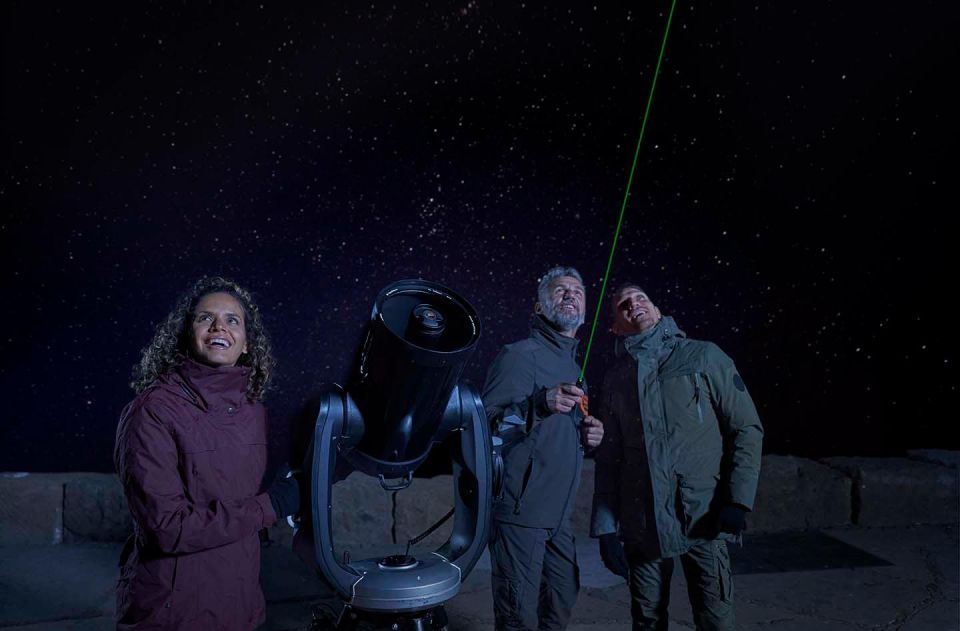
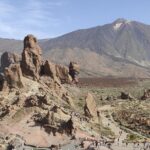
Mount Teide is one of those places that seems to make the rules of everyday life feel smaller. During this excursion, you’re in Teide National Park before night fully settles in, then you move into deeper darkness with professional help—so you’re not left guessing what’s out there.
The big appeal is the combination of sunset + night sky. You watch the park shift as the light changes and you move through different vegetation zones, from lower areas up toward high mountain plant life and pine forests. That matters because it sets you up for what follows: when the telescopes come out, your eyes and expectations are already tuned.
And yes, this is built around real observing. The tour uses long-range telescopes and astronomy guides certified by the Starlight Foundation, which is the sort of detail that usually correlates with better explanations and a clearer observing plan. It’s not just a “look up and hope” activity.
You can also read our reviews of more tours and experiences in Tenerife.
The evening flow: sunset viewpoint, telescopes, and guided star spotting
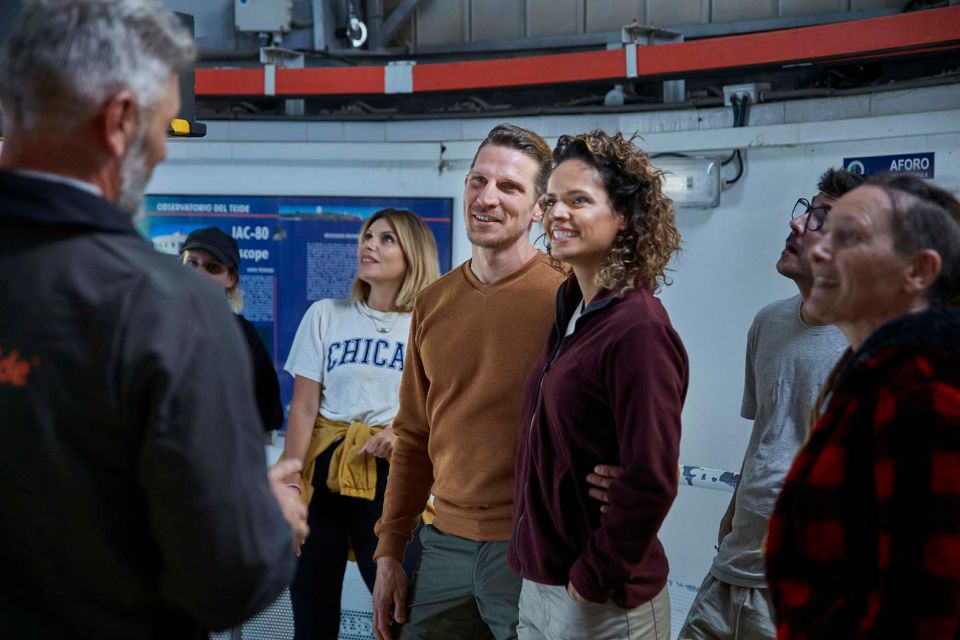
Your night starts in the early evening and centers on Teide National Park. You’ll spend time arriving as the park transitions toward night, then you’ll hit a sunset viewpoint before the stargazing begins.
Here’s what that order does for you:
- Sunset is easier on the senses. You get the dramatic Tenerife views before the sky goes fully dark.
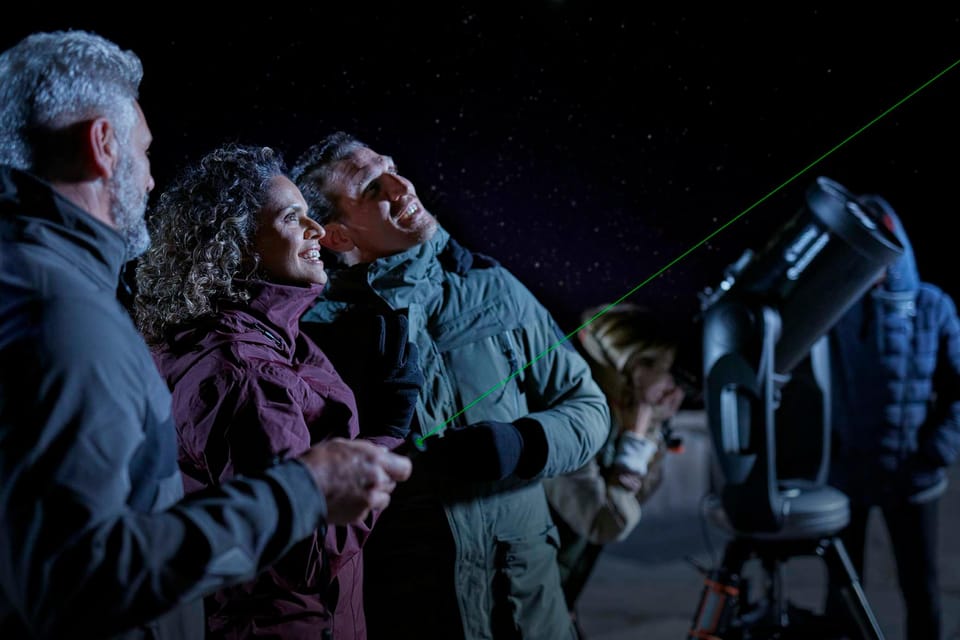
- Then astronomy takes over. With the group now settled and your eyes adjusted, the guides can point things out and guide what to look for through the telescopes.
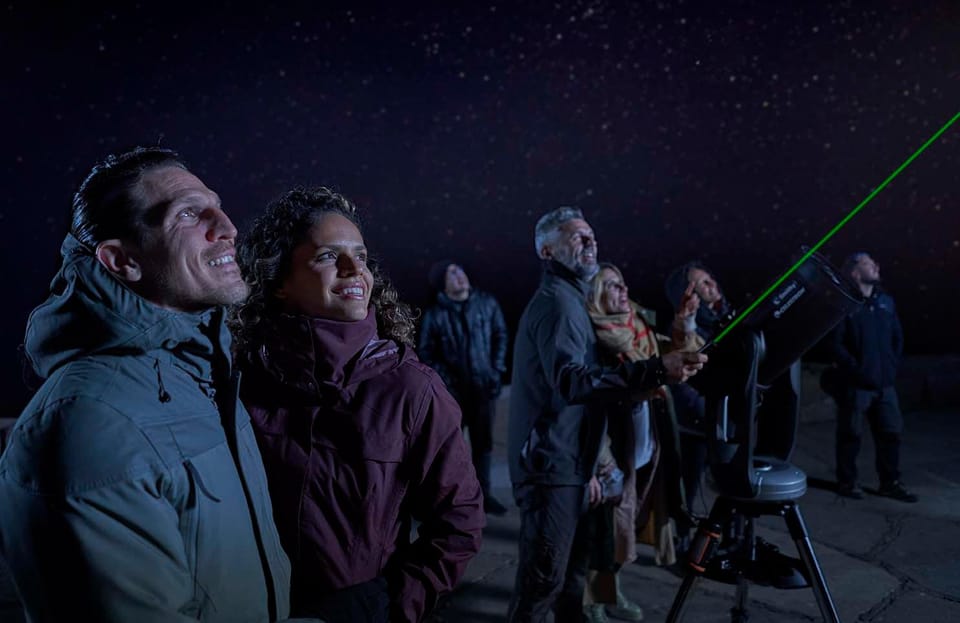
The stargazing portion is guided and educational, with an atmosphere meant to be approachable. You’ll observe the sky using professional equipment while your guide helps you connect the dots—what objects are, why they matter, and how to spot them.
One practical note from real experience: guides may describe the cold as “warm clothing,” but up at Teide it can still feel chilly fast. A past booking specifically pointed out temperatures around 10 degrees Celsius, so plan for that kind of weather rather than assuming it will be like a breezy beach evening.
Optional cable car upgrade: higher views and a Teide Dinner picnic
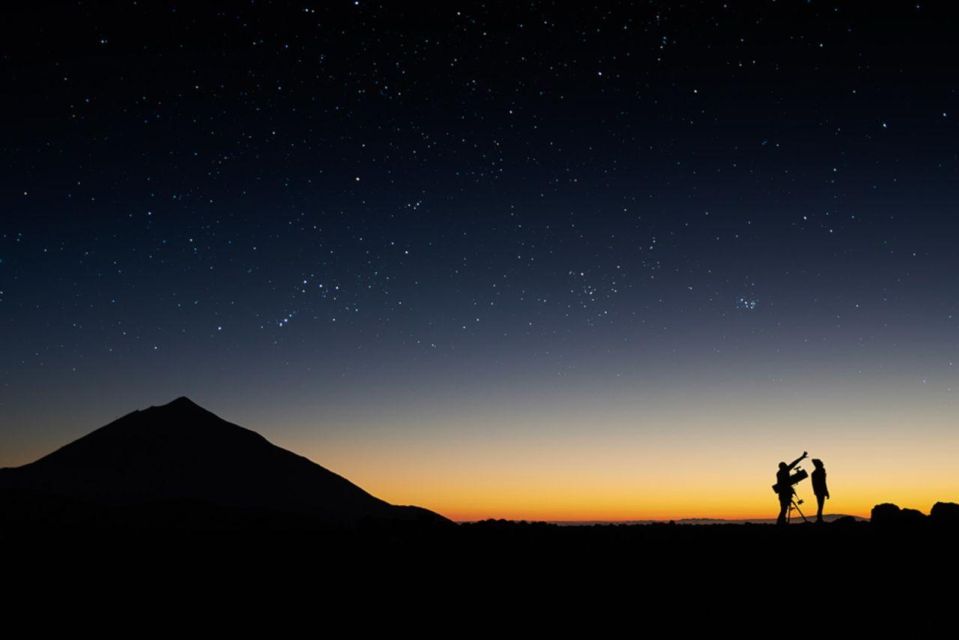
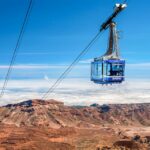
If you choose the cable car option, you’ll add serious altitude to the experience. You ascend and descend by cable car, reaching about 3,555 metres, then you watch the sunset from up high, from a route linked to the Pico Viejo Viewpoint area.
Why this upgrade is worth considering:
- The sunset feels more “theatre-like” when you’re above the cloud and haze layers.
- You get big views that stretch across the caldera and the Teide area, plus views toward neighboring islands like La Gomera, La Palma, and El Hierro (when visibility allows).
- The tour includes time for a picnic-style Teide-Dinner after the cable car portion, so you don’t have to worry about food during that segment.
Tradeoffs are straightforward. Cable car changes the feel of the day: more “high-altitude viewing” and less flexibility. Also, there are clear restrictions for safety: the cable car option is not open to people with heart conditions or pregnant women, and people with certain physical disabilities or motor impairments may be excluded due to evacuation-related risks.
If you’re healthy and you want the classic “Teide from above” sunset, this is the option that turns the trip into a full-on night ritual. If you’re sensitive to altitude, you’ll likely want to skip it.
Optional Teide Observatory add-on: solar science before you look at the stars
The other upgrade option adds late afternoon time at the Teide Solar Observatory, then you head into stargazing from the cable car base station.
This isn’t a generic museum stop. The observatory tour is described as a guided experience where you get:
- a fun workshop connected to astrophysics
- a look at projects carried out at the Canary Islands Institute of Astrophysics
- observing solar flares and sunspots through a solar telescope
- an exploration inside a nocturnal telescope
That sequence is smart if you like contrast. You go from studying the Sun in daylight to then watching the night sky after darkness arrives. It’s also a good option if you’d rather not do the full cable car ascent to the highest point.
Two cautions:
- The observatory walk involves moving between places, climbing stairs, and generally more physical movement than the basic stargazing component. The info specifically says it isn’t recommended for people with anemia, heart or breathing problems, or reduced mobility.
- The observatory option isn’t available in French.
And one more reality check: a past booking reported that the observatory was canceled due to a road closure and that communication wasn’t handled well. That’s not something you can plan around perfectly, but it’s a reminder to treat the observatory add-on as something that depends on access that day.
Guides: what I’d expect from Starlight-certified astronomy hosting
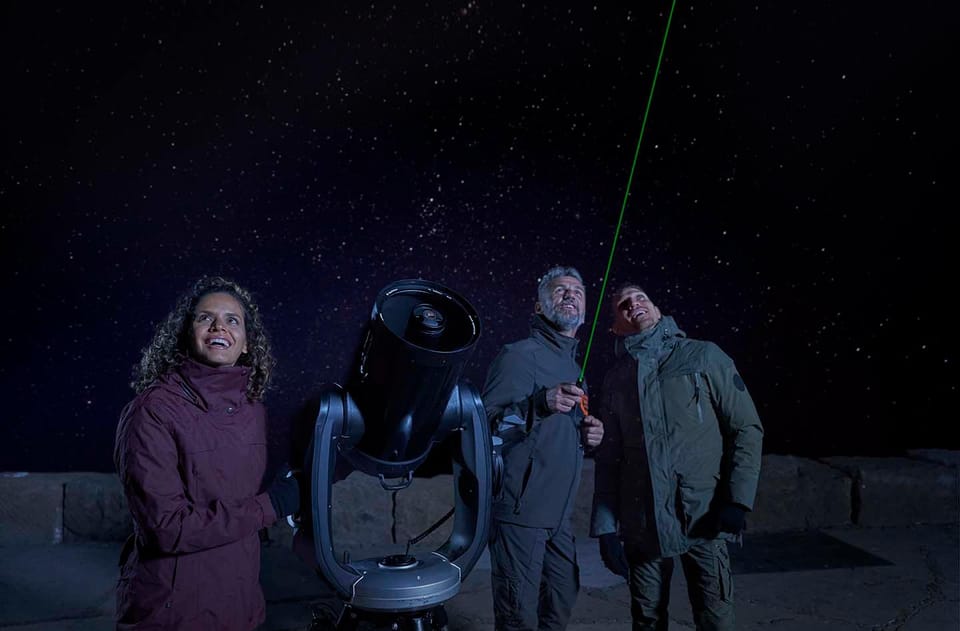
The experience is led by astronomy guides certified by the Starlight Foundation, and that shows up in the tone of the guiding—more explaining, less guesswork. In one positive booking, the guides Abel and Josef were called out for making the excursion interesting and enjoyable.
That matters because stargazing can get frustrating fast if:
- you don’t know what you’re looking at
- the group is moved along too quickly
- the telescope time is rushed
The setup here is designed to prevent that. You’re given professional equipment and time to observe, with guides guiding your attention rather than throwing you into darkness.
If you speak English or Spanish, you’re covered. The tour is offered in English and Spanish, with the observatory add-on not available in French.
Price and value: is $86 reasonable for a night-sky experience?
At $86 per person, this excursion sits in the “worth it if you care about the sky” zone. You’re paying for more than a bus trip to a viewpoint.
What you’re getting in the base experience:
- Return transport from both north and south Tenerife areas
- Sunset in Teide National Park
- Guided stargazing using long-range telescopes
- Starlight Foundation-certified astronomy guides
The “watch for the extras” part is food. The info is clear: food is not included except in the option where you have the cable car ticket with sunset views from higher up. That option includes a picnic-style Teide-Dinner.
So the value equation looks like this:
- If you choose the cable car option, you’re more likely to feel like the price covers the full evening with fewer add-ons.
- If you choose only the non-cable car stargazing portion, you may want to plan your meal timing beforehand.
- If you add the observatory, you’re paying for a structured science experience plus extra logistics, but it can be affected by access issues, as shown in one reported cancellation.
In plain terms: if you want the serious telescope guidance and a proper sunset, the price makes sense. If you mainly want a casual view and no education, you might not feel the full value.
Getting there: transport and pickup spots across Tenerife
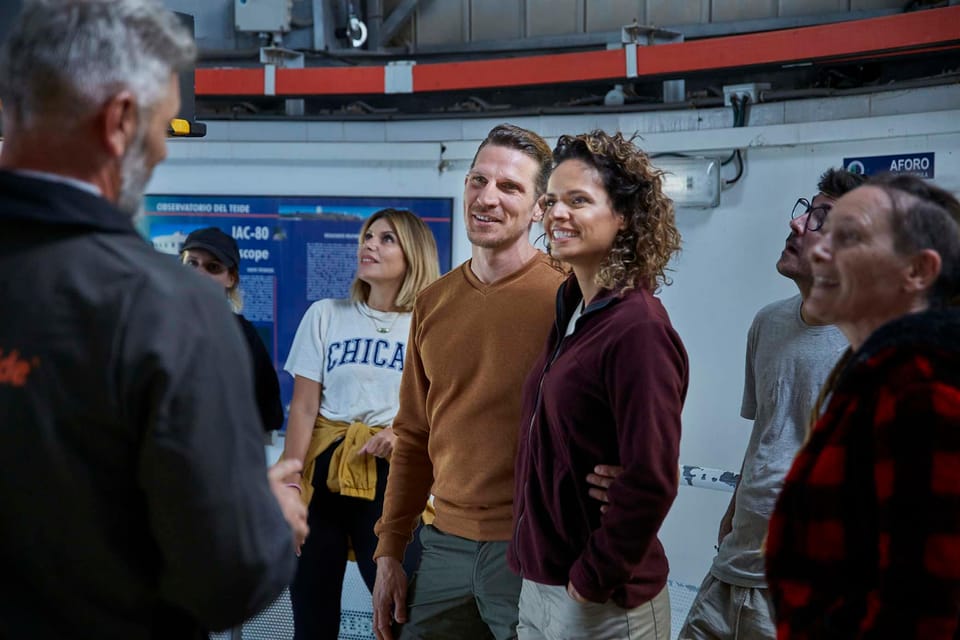
Transport is included, with return transport from the north and south of the island. That reduces the hassle of coordinating buses on your own, especially for a night timing window.
Pickup in the south is available from several hotels and stops. Examples include:
- Hotel Sol Arona Tenerife
- Best Tenerife (bus stop)
- Hotel Tigotán
- Olé Tropical (bus stop)
- Los Hibiscos (bus stop)
- Hotel Villas Bahia Fañabé
- El Duque (bus stop, close to Costa Adeje Gran H.)
- Hotel Jardines del Teide
- Hotel Vincci La Plantación
- Riu Arecas (bus stop)
- Hotel El Mirador
- Bahía del Duque
Because the start times can vary, check availability for the exact pickup timing when you book.
What to wear near Teide: the rules that keep you in the tour
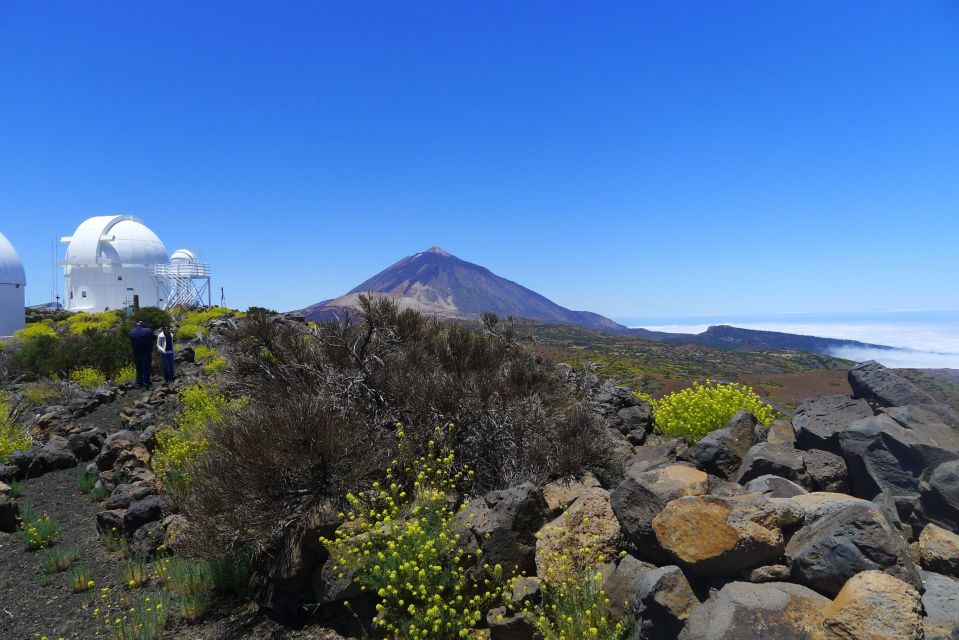
This is one of those tours where clothing affects whether you can join the activity at all.
Bring:
- Warm clothing
- a hat
- water
- comfortable clothes
- closed-toe shoes
Not allowed:
- sandals or flip flops
- shorts
- open-toed shoes
Low temperatures are expected, and the tour info is explicit that your clothing must match the conditions. I’d treat this as “dress for a cold evening that includes time standing outside,” not “winter jacket optional.”
If you tend to run cold easily, bring extra layers. The earlier note about temps around 10 degrees Celsius is a useful reality check.
Who should book (and who should think twice)
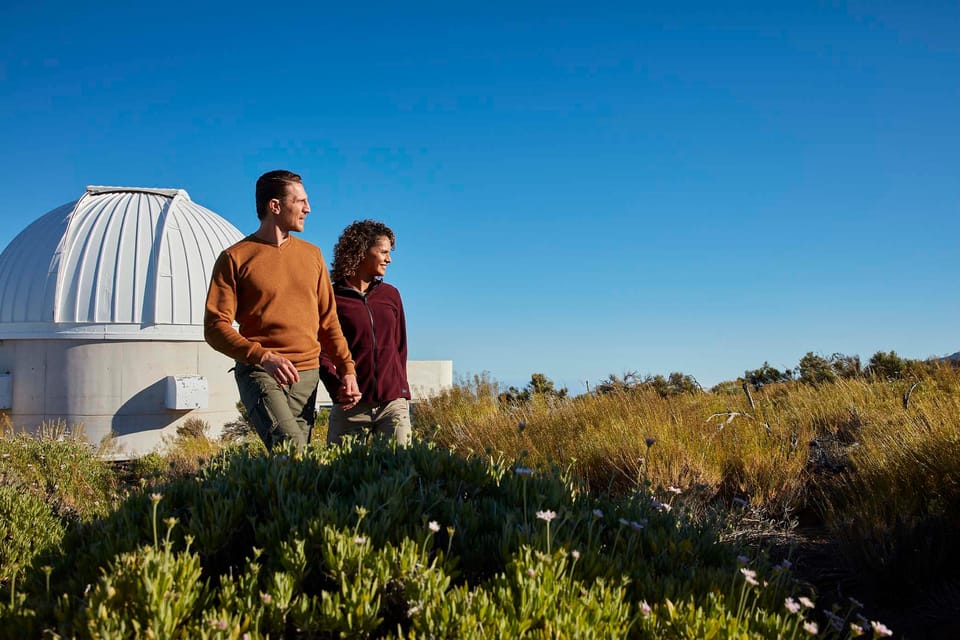
This excursion fits best for people who:
- genuinely want stargazing with guided explanations
- like a structured nighttime activity instead of an unplanned wander
- are comfortable standing outside in cool weather
It’s not for everyone:
- Children under 8 aren’t allowed, and proof of age is required.
- Pets aren’t allowed.
- The observatory option isn’t recommended if you have certain physical health conditions, such as anemia or heart/breathing problems, or if you have reduced mobility.
- The cable car option isn’t open to people with heart conditions or pregnant women, and there are restrictions tied to physical disability or motor impairment due to evacuation-related risks.
If you have any condition that could be affected by altitude, cold, or stair-heavy movement, you’ll want to confirm your fit before booking—don’t assume it will be flexible on the night.
Should you book Tenerife Teide and Stars?
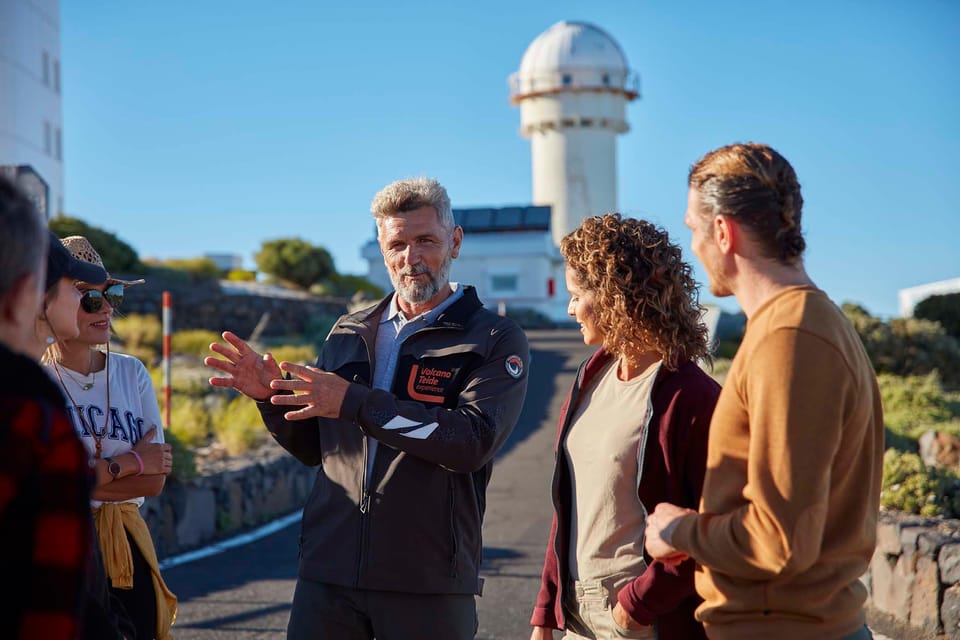
If your idea of a great Tenerife night is a real astronomy session, a guided sunset, and telescopes used properly, then yes, this is a strong pick. The Starlight-certified guides, the long-range telescopes, and the structured flow make it feel like an experience built around learning, not just seeing.
I’d especially consider the cable car option if you want the higher-altitude sunset and the included picnic-style Teide-Dinner, and you’re comfortable with altitude rules.
Skip or rethink the add-ons if:
- you’re traveling with someone sensitive to cold or altitude
- mobility or health conditions could be an issue (especially for the observatory)
- you absolutely need the observatory to happen no matter what, because access issues can disrupt it
Do this right, come dressed for real nighttime temperatures, and you’ll walk away with far more than a few photos. You’ll understand what you’re looking at—and that’s the whole point of good stargazing.
FAQ
How long is the Tenerife Teide and Stars experience?
The duration is listed as 6.5 to 8 hours, depending on which option you choose and the scheduled timing.
Is transportation included?
Yes. You get return transport from both the north and south of Tenerife.
What language are the guides?
The tour offers live guidance in English and Spanish. The Teide Observatory option isn’t available in French.
Do I get food during the tour?
Food is not included unless you choose the cable car option that includes sunset views from higher up, which features a picnic-style Teide-Dinner.
Can children join?
Children under 8 are not allowed, and proof of age is required.
What should I wear to be allowed on the tour?
Wear warm clothing and closed-toe shoes. The tour does not allow sandals/flip flops, shorts, or open-toed shoes.
Is the Teide Observatory visit included automatically?
No. The Teide Solar Observatory visit is optional. You choose it as an add-on option.
Is the cable car ascent always part of the experience?
No. Cable car ascent and descent by ticket are optional, tied to the cable car sunset viewpoint option.
Who should avoid the observatory option or cable car option?
The observatory option isn’t recommended for people with certain health conditions or reduced mobility. The cable car option isn’t open to people with heart conditions, pregnancy, or certain physical disability/motor impairment risks related to evacuation.