REVIEW · TENERIFE
Tenerife: Mount Teide Observatory Astronomical Tour
Book on GetYourGuide →Operated by Volcano Teide · Bookable on GetYourGuide
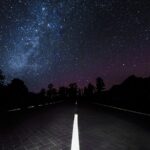
Teide at night feels like a science fiction set. This Mount Teide Observatory astronomy tour strings together solar science in the afternoon and real stargazing gear after sunset, all in a small-group format.
I especially like two things: the guided stop at the world’s largest solar observatory, and the night program that mixes looking up with your own eyes and then using long-range telescopes to pick out constellations and key objects. Guides like Lucas and Micaela are part of why the experience works so well—clear explanations, lots of questions welcomed.
One watch-out: Teide nights can get cold and windy, and the clothing rules are strict. If you show up in the wrong outfit, you can be refused entry, so treat this like an outdoor astronomy outing, not a casual evening stroll.
In This Review
- Key things to know before you go
- Why Mount Teide turns the sky into a lesson
- The 8-hour flow: pickup, minibus rides, and getting up the mountain
- Afternoon solar observing: the world’s largest solar observatory in plain language
- Sunset viewpoints: where the volcanic setting meets the science
- Night-sky stargazing: constellations to long-range telescopes
- When weather ruins the perfect sky: the tour’s backup plan
- What to wear: the rules that keep you in the session
- Guides and group vibe: why you’ll remember the explanations
- Price and value: is $121 per person fair?
- Who this tour fits best (and who should skip it)
- Should you book this Teide Observatory astronomy tour?
- FAQ
- What does the tour include?
- Do I need to bring food or drinks?
- Where is pickup available?
- What should I wear to join?
- What happens if the weather makes star visibility poor?
- Is the tour suitable for children?
Key things to know before you go
- Guided Teide Observatory visit with real observing: you’re not just hearing about the science, you’re seeing how it’s done.
- Solar viewing in the afternoon: a full solar session at the world’s largest solar observatory sets the tone before night comes.
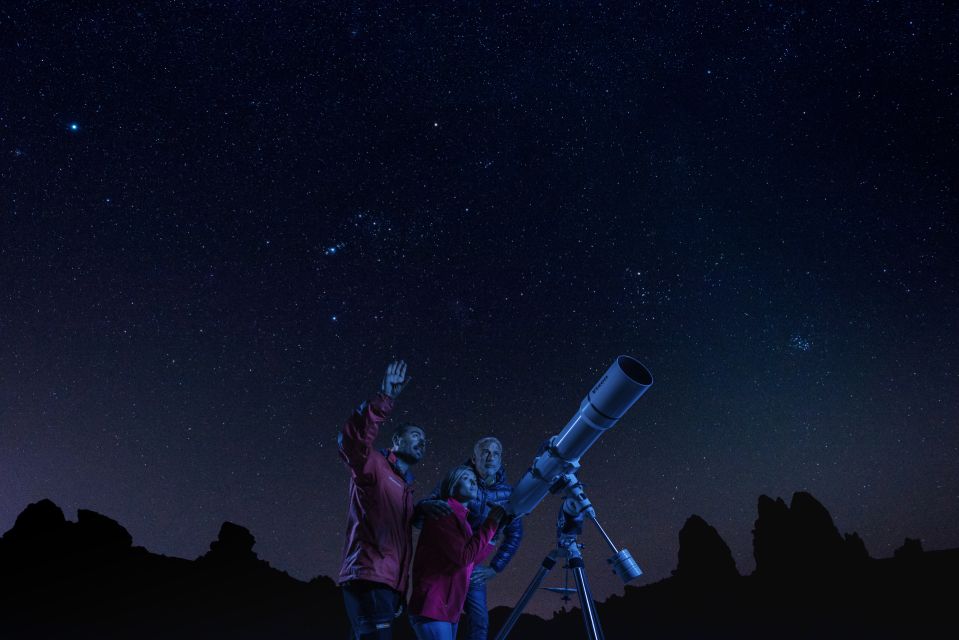
- Naked-eye stargazing plus telescopes: you’ll start with constellations and then move to long-range views.
- Small-group experience: easier to hear your guide and keep the pace comfortable as you switch locations.
- Weather plan built in: if star visibility drops, you’ll still get nocturnal telescope time and/or a virtual sky tour.
- Cold-weather packing matters: warm layers and closed-toe shoes are not optional here.
Why Mount Teide turns the sky into a lesson
Mount Teide has a rare combo going for it: altitude, clear air when conditions cooperate, and a place designed for astronomy. The result is that “wow” moment when the sky looks deeper and sharper than you expect, even if you’re not an astronomy nerd.
What makes this tour feel especially worth your time is that it mixes seeing with understanding. The afternoon is all about the Sun—then you spend the evening connecting what you saw and learned to what you can spot in the night sky.
You can also read our reviews of more tours and experiences in Tenerife.
The 8-hour flow: pickup, minibus rides, and getting up the mountain
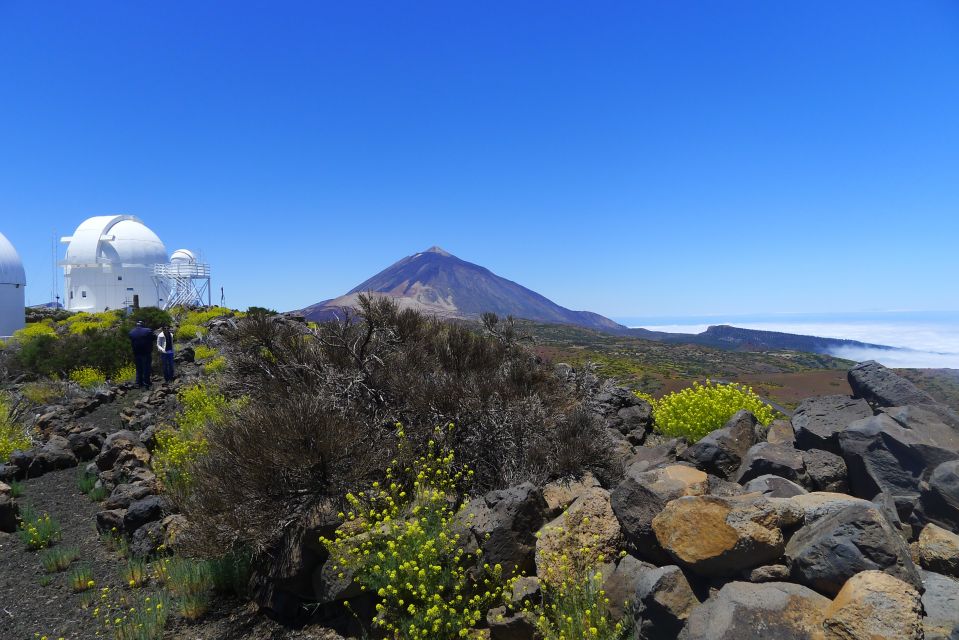
You’re on the clock for about 8 hours, and the pickup time changes with season and sunset timing. If you’re staying in north Tenerife, pickup is listed as possible from several hotels and meeting points such as Parque San Antonio, GF Noelia, Hotel Magec, Hotel Concordia, Tucán, Coral Teide Mar, Riu Garoé, CC La Cúpula, and Kiosko Paragüitas.
Expect a small-group transfer (often by mini bus), with time to absorb the scenery as you head toward the Teide area. One review noted the drive along the west coast so people could see Las Gigantes cliffs—nothing guaranteed, but it’s a nice example of how the route can add atmosphere.
A practical tip: because pickup time varies, don’t schedule anything tight right after. Between the drive, short walks in the park area, and timed observing sessions, the day moves steadily.
Afternoon solar observing: the world’s largest solar observatory in plain language
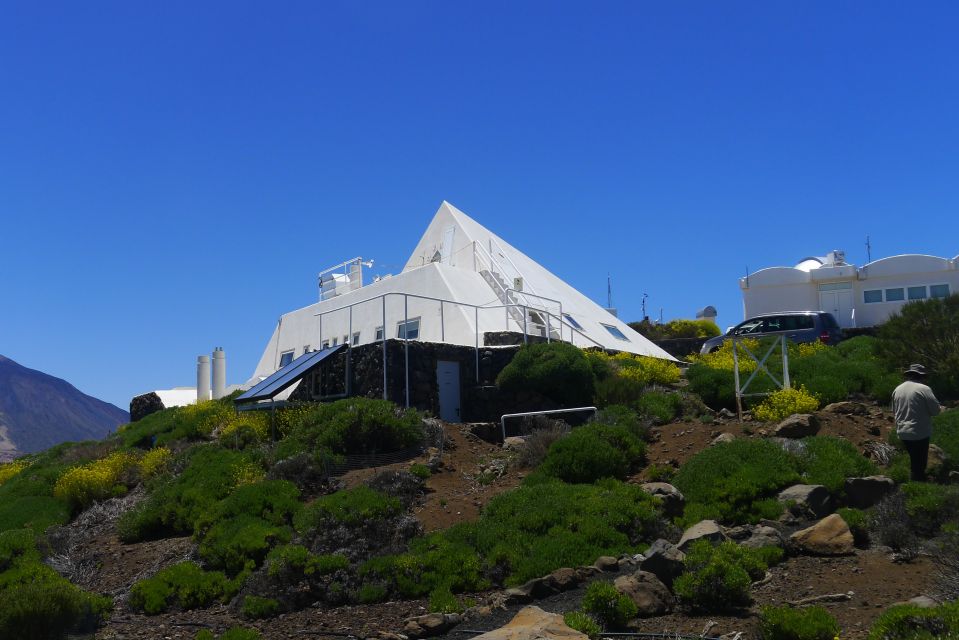
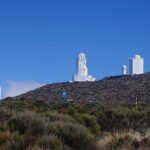
The afternoon is where the tour builds credibility fast. You’ll spend time at the Teide Observatory, described as the world’s largest solar observatory, with a guided visit and solar observing.
This is the part I think most people underestimate. Stargazing gets all the attention, but solar work is its own thrill: you’re training your eyes to interpret what you’re seeing through specialized equipment. In at least one account, the solar session included excitement around seeing solar activity in real time.
What to expect in spirit: your guide turns scientific ideas into something you can actually follow at the eyepiece. You’re not just staring; you’re learning what solar features are and what “signals” you’re looking at.
Sunset viewpoints: where the volcanic setting meets the science
Between the solar session and full night observing, you’ll get time for an unforgettable sunset from one of the volcanic mountain viewpoints. This break matters. It’s not just a photo stop; it helps your brain switch from day-sky thinking to night-sky patterns.
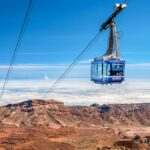
If you’re sensitive to cold, this is where you’ll feel it first. One review described about 30°C near their hotel and then around 7°C at a cable car station area, with strong winds. Even if that exact temperature isn’t your day, the lesson holds: plan for a temperature drop once you’re up high.
Also, wear shoes you can walk in for a short period. You may do a brief walk through the park area on the way to the observatory zone, so you’ll want stable footing.
Night-sky stargazing: constellations to long-range telescopes
Once dark sets in, the tour shifts into true star mode. You’ll start with unaided-eye observing—use your eyes first to locate constellations and prominent objects. Then you’ll move to telescopes for sharper views using a long-range telescope provided as part of the excursion.
This is where the small-group format helps. When you’re at a telescope, you need to hear instructions and wait your turn without chaos. You also tend to get better explanations when there’s time for questions.
Some memorable moments from guides and groups include spotting a comet and shooting stars (when the sky cooperates). You might not see a comet every night, but the tour is structured so you can still have a strong session even on an ordinary clear night.
When weather ruins the perfect sky: the tour’s backup plan
Teide is not a guarantee machine. If weather conditions prevent proper visibility through the solar telescopes, or if conditions threaten the schedule, the program adjusts. Instead of a standard single nocturnal telescope approach, you may visit two nocturnal telescopes.
If visibility drops for the night portion, your guides will use audio visual equipment to give a virtual tour of the night sky, constellations, and prominent objects that could have been seen. That doesn’t replace the feeling of real starlight, but it keeps the experience educational and makes sure the evening doesn’t turn into a wasted drive.
My advice: don’t plan this tour as your only astronomy night. But if you pick it, go in expecting adaptation. The “plan B” exists because conditions at altitude can change quickly.
What to wear: the rules that keep you in the session
This tour has a strict dress code, and it’s enforced. The good news: the requirements are simple, and once you follow them, you’ll be comfortable enough to enjoy the longer cold outside.
Bring:
- Warm clothing
- Comfortable clothes
- Long-sleeved shirt
- Long pants
- Closed-toe shoes
- Passport or ID card for children
Not allowed:
- Sandals or flip flops
- Short skirts or shorts
- Sleeveless shirts
- Pets
If you forget proper footwear or you show up underdressed, you might not be allowed to join. So pack like you’re going to an outdoor concert in windy winter weather—not like you’re walking around town at sunset.
Guides and group vibe: why you’ll remember the explanations
You’re not going to this just for equipment. You’re going for guidance—especially because the sky can be confusing if you’re not given a map. The tour uses live guides in Spanish and English, and multiple guides are highlighted in bookings as professional and friendly, with a clear love for the subject.
Names that came up in real experiences include Lucas and Micaela for guidance, and other accounts also reference guides and staff by name (like Natasha, Frederico, and members of the observatory-side team). The common thread: they explain what you’re seeing, how telescopes work, and how to identify key stars and patterns.
One more small practical note from a booking: some people wanted a bit more clarity on what comes next. That’s not unusual on tours with multiple timed stops, but it’s worth paying attention at the start and asking your guide to confirm the next phase if anything feels unclear.
Price and value: is $121 per person fair?
At about $121 per person for roughly 8 hours, the value comes down to three things you’re actually getting:
- Transport for small groups to the mountain area and between stops
- A guided visit to Teide Observatory (not self-guided)
- Telescope time with a long-range telescope, plus potential additional nocturnal telescope visits
You should also factor in what’s not included: food and drinks. That means you may want to bring something simple or plan carefully if you’re hungry during the day. One review mentioned a cafe up at the mountain area not being well stocked due to busyness, so don’t count on snacks being easy to find at the last minute.
If you enjoy astronomy, this price can feel fair-to-good because you’re paying for access, trained interpretation, and a planned night program. If you’re mostly into scenic travel and could do your own stargazing in a darker spot, you might weigh it differently. But for a guided, telescope-assisted Teide evening, it’s the kind of outing that makes the Sun and stars feel connected.
Who this tour fits best (and who should skip it)
Best fit:
- Astronomy lovers who want the “what am I looking at” part
- People who enjoy guided Q&A and structured viewing
- Couples or small groups who want a comfortable pace without crowds
Not suitable for:
- Children under 8
- People with mobility impairments
- Anyone with health conditions should check with their doctor first
If you’re going with kids over 8, confirm age documentation with a passport or ID card.
Also, you’ll get the most out of it if you’re willing to spend time outside in cool conditions and follow the clothing rules. If that sounds like a hassle, you’ll likely feel less happy with the trade-off.
Should you book this Teide Observatory astronomy tour?
I’d book it if you want a guided astronomy experience that actually uses telescopes and explains the sky, not just a “look up and hope for the best” night. The mix of world-class solar observing in the afternoon and constellation viewing with telescopes after sunset is a strong combo, and the small-group approach makes the whole evening easier to enjoy.
If you’re on the fence, decide based on two factors: your willingness to dress for cold and wind, and your interest in learning what you’re seeing. The weather plan helps, but nothing beats clear visibility. And with the tour’s rules and outdoor timing, you’ll enjoy it most when you come prepared.
FAQ
What does the tour include?
It includes transportation for small groups, a guide, a guided visit to the Teide Observatory, and astronomical observation using a long-range telescope.
Do I need to bring food or drinks?
Food and drinks are not included. You may want to plan for snacks or a meal during the day since availability on the mountain isn’t guaranteed.
Where is pickup available?
Pickup is possible from hotels in north Tenerife, including Parque San Antonio, GF Noelia, Hotel Magec, Hotel Concordia, Tucán, Coral Teide Mar, Riu Garoé, CC La Cúpula, and Kiosko Paragüitas.
What should I wear to join?
Bring warm clothing, long pants, and closed-toe shoes with a long-sleeved shirt. Shorts, short skirts, sleeveless shirts, and sandals/flip flops are not allowed.
What happens if the weather makes star visibility poor?
If visibility through solar telescopes isn’t good or the tour is threatened, you’ll visit two nocturnal telescopes instead of one. If night visibility is poor, guides will use audio visual equipment for a virtual tour of the night sky, constellations, and prominent objects.
Is the tour suitable for children?
It isn’t recommended for children under 8 years old. Children must have age confirmed with a passport or ID card.