REVIEW · TENERIFE
Tenerife: 2-Dive Private Scuba Discovery Course
Book on GetYourGuide →Operated by Iki Dive Tenerife · Bookable on GetYourGuide
You’ll feel confident fast. This private Tenerife course gives you hands-on scuba coaching and two underwater sessions off a speedboat, with a certificate you can use worldwide.
I especially like the way the instruction starts from the basics and then builds underwater, and I like that the group is private so you’re not rushed. You’ll also get a worldwide DSD-style certification that allows you to go to 12 meters with an instructor.
One consideration: this experience isn’t for everyone health-wise, and if you’re sensitive to weather or water conditions, you should know it runs rain or shine.
In This Review
- Key Points Before You Go
- Scuba Coaching Off Tenerife’s Coast, Set Up for First-Timers
- Meeting at Scuba Point and Getting Your Gear Straight
- Two Underwater Sessions by Speedboat: What You’ll Actually Do
- What you can expect to see
- Your second site may change for turtles and rays
- Safety rules you should take seriously
- The DSD Certificate: What It Means for Your Next Trip
- Price and Value: Is $147 Good for What You Get?
- What’s included
- What’s not included
- Who This Fits (and Who Should Skip It)
- Not suitable for
- Ongoing rules you should plan around
- Getting the Most Out of Your Instructor and Your Water Time
- What to pack for comfort and speed
- Should You Book This Private Scuba Discovery Course?
- FAQ
- How long is the private scuba discovery course?
- What’s included in the experience?
- What certification will I receive?
- Do I need to bring scuba equipment?
- Is this suitable for children or people with medical conditions?
- What should I do after the course about flying or altitude?
Key Points Before You Go
- Private instructor + private group so your training stays focused on you
- Two underwater sessions by speedboat, with no time limit on each one
- DSD-style certification that lets you go to 12 meters with an instructor worldwide
- Equipment included, plus a short intro before you get in the water
- Marine life expectations include colorful canarian fish, and sometimes turtles/rays on the second site
- Photoss/videos not included, so plan to rely on your own photos if you want keepsakes
Scuba Coaching Off Tenerife’s Coast, Set Up for First-Timers
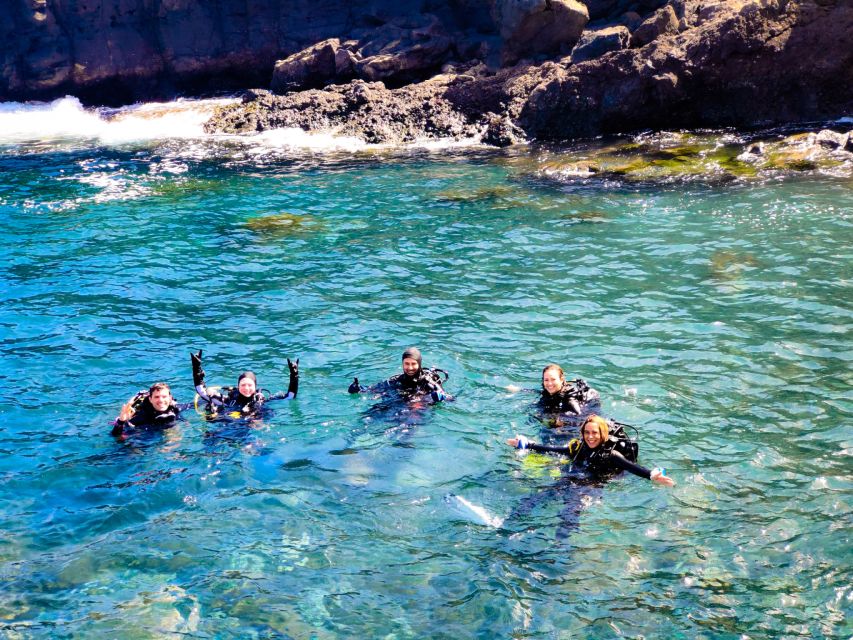
This is a straightforward, practical scuba discovery setup. You’re in Tenerife, you meet your instructor at Scuba Point, you get a quick equipment rundown, and then you head out by speedboat for two underwater sessions. The goal is simple: see Tenerife’s marine life and learn the skills that help you feel safe and in control.
I like that the training is built around clarity. Instructors are known for patient explanations and step-by-step guidance, including names like Amara, Elena, and Gabi showing up in the feedback. That matters because good coaching isn’t just technical. It’s also about keeping your nerves calm.
Also, the pace makes sense for most people. The whole experience runs about 5 hours, which is long enough to learn something meaningful without turning into an all-day ordeal.
You can also read our reviews of more tours and experiences in Tenerife.
Meeting at Scuba Point and Getting Your Gear Straight
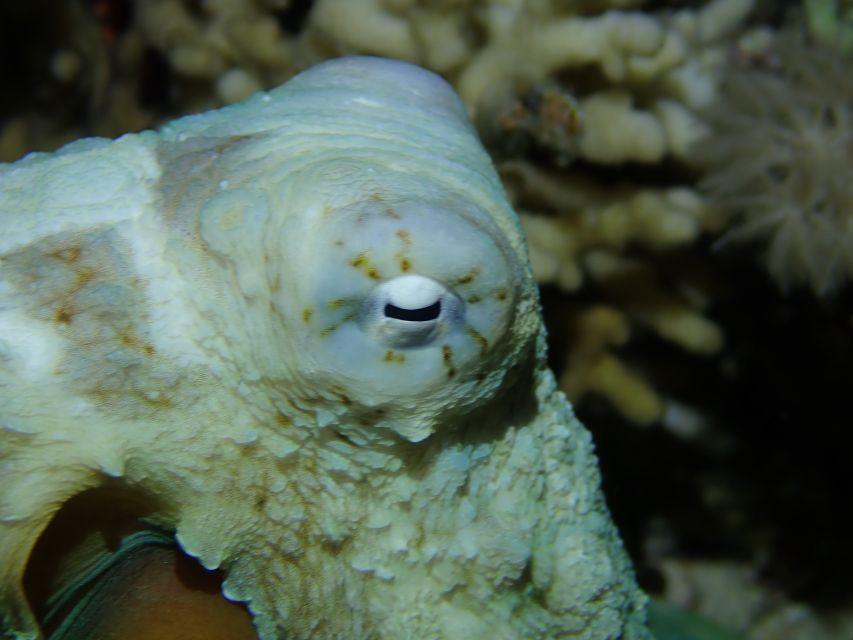
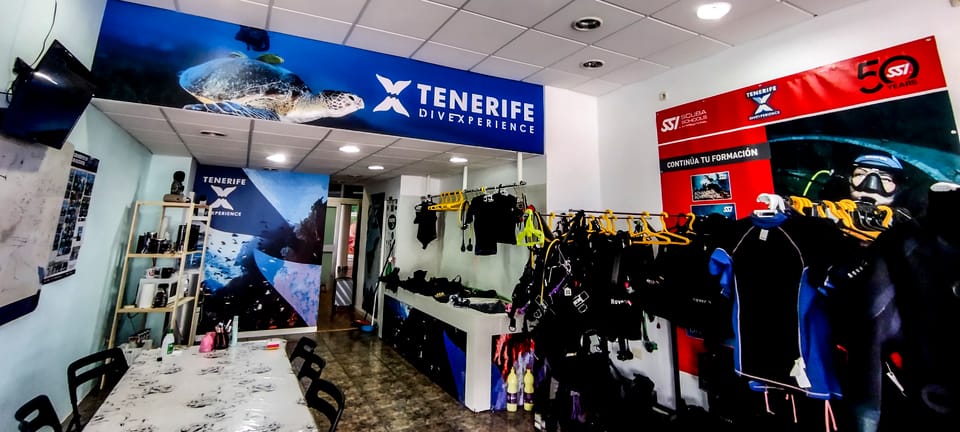
Your day starts at Scuba Point, on the back side of the Commercial Center building. When you arrive, you’ll get a quick introduction on how to use the equipment. It’s not a long lecture. It’s more like getting your hands and breathing habits lined up before you hit the water.
From there, the process typically flows like this: intro → gear check → boat transfer to the underwater area → instructor-led coaching as you practice your new skills. You’ll also do the course learning component that pairs practical practice with theory, so you’re not just following hand signals.
The biggest practical win here is comfort. A lot of people worry that first time will feel chaotic. This format is designed to prevent that, because you’re guided from the start and you keep repeating the same basics until they click.
Bring what you need to keep your day smooth: passport or ID, swimwear, a towel, and a change of clothes. Also pack water. Those small items are what keep you from feeling rushed after you’re done.
Two Underwater Sessions by Speedboat: What You’ll Actually Do
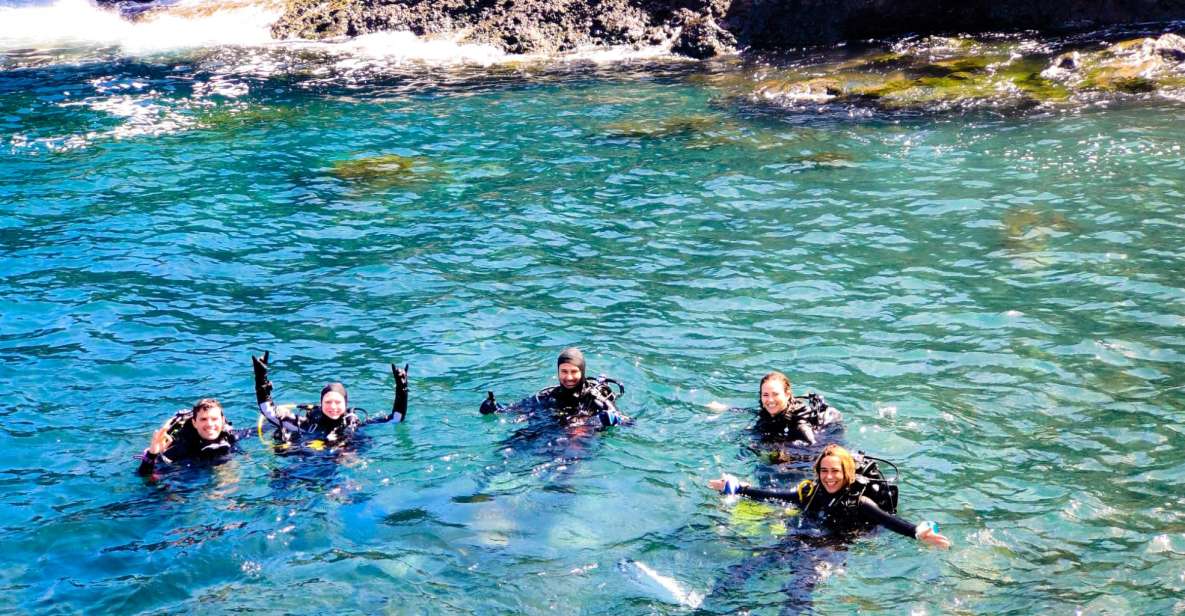
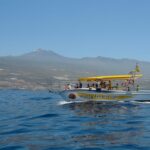
The heart of the experience is the pair of underwater sessions. You’ll go off a speedboat and spend time in the water with your instructor, learning techniques while also enjoying Tenerife’s marine life. There’s no time limit on the two sessions, which means you’re not being forced to rush through the experience.
What you can expect to see
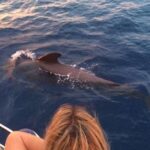
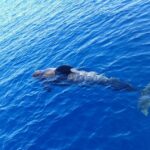
Tenerife has a strong mix of marine life that shows up close to the coast, and this course is built around that. You can expect to swim with Canarian tropical fish and other local marine animals in their natural habitat. The water is described as clear, and the whole point is to help you experience what’s living under the surface without feeling overwhelmed.
You’ll also learn how to move and breathe in a way that keeps you relaxed. That’s where the instructor quality matters most. In the feedback, instructors like Amara are praised for going from very basic knowledge to underwater training with patience. That kind of sequencing is exactly what you want for a first attempt.
Your second site may change for turtles and rays
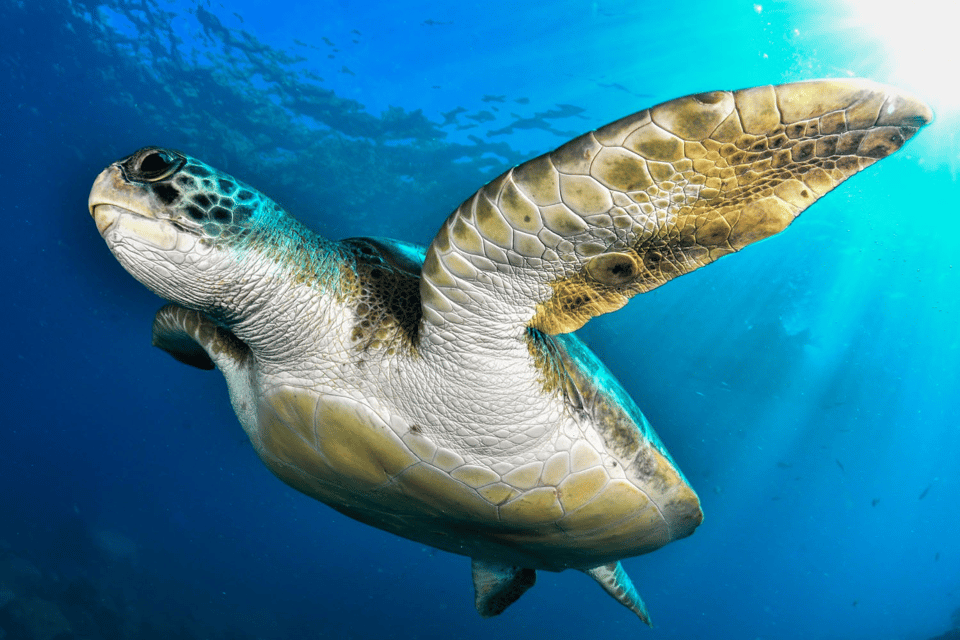
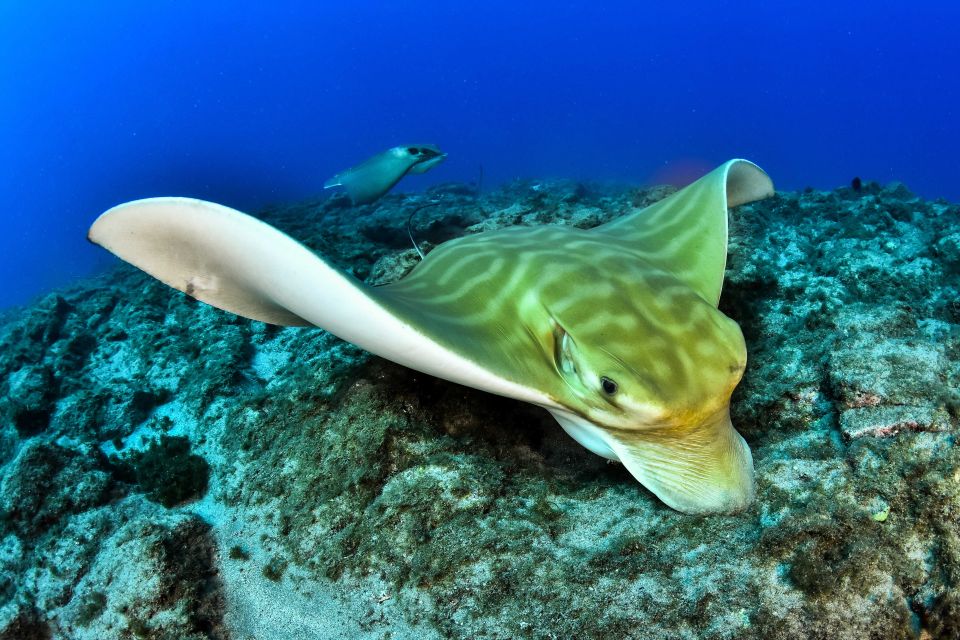
There’s an interesting option here: it may be possible to make your second underwater session by boat at a site where you can sometimes meet marine turtles and rays. That’s not guaranteed, because it depends on conditions, your adaptation in the water, safety needs, and operator availability.
If turtles and rays are a priority for you, ask in advance so you don’t lose the chance to plan around it. It’s also worth keeping expectations flexible, since the sea can decide the schedule.

Safety rules you should take seriously
This experience includes guidance and equipment, but you still need to follow key rules. Don’t touch marine life, and no fishing is allowed. No alcohol and no drugs, and you also shouldn’t feed animals. If you go into this with a gentle, non-contact mindset, you’ll enjoy the wildlife more and keep the underwater environment healthy.
The DSD Certificate: What It Means for Your Next Trip
You don’t just leave with photos of fish. You leave with a certificate. The program includes a form of basic diver certification (often described as DSD-style) that gives you a worldwide credential allowing you to go to 12 meters as long as you have an instructor.
That depth limit and instructor requirement are the key details to understand. This isn’t a free-for-all credential. It’s meant to help you keep diving within proper supervision as you build experience. For many travelers, that’s actually a great balance: you get a legitimate next step without pretending you’re suddenly an expert.
You’ll also have permanent access to an online platform. That’s useful when you want to refresh theory or practice details after you’re back on land. It turns the course into something you can review, not just something you do once and forget.
If you’re trying to decide whether this is worth it versus doing a one-time underwater excursion, the certificate is usually the deciding factor. Two sessions plus certification means your money goes toward skills you can use later.
Price and Value: Is $147 Good for What You Get?
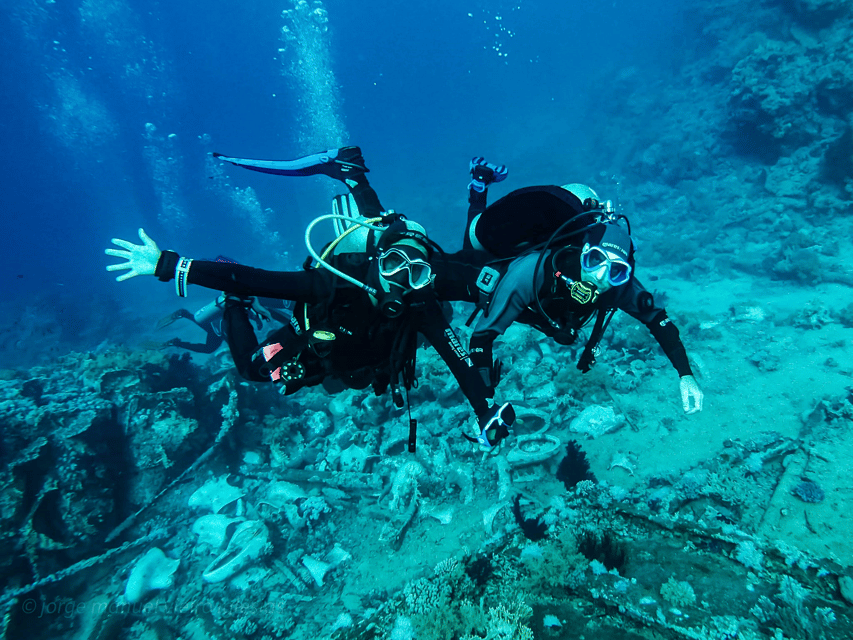
At $147 per person, this course costs less than many premium guided activities and competes well with other entry-level scuba options. The value comes from what’s included, and also from what’s not.
What’s included
You get:
- Two underwater sessions with no time limit
- A private instructor
- Diving/scuba equipment
- Basic diver certification (to 12 meters with an instructor)
- Permanent access to the online platform
- Scuba insurance
Also, your group is private, which usually matters more than people expect. With a private instructor, the training can be tailored to your comfort level and pace.
What’s not included
- Pictures and videos (plan ahead if you want professional keepsakes)
- Hotel pickup and drop-off (you’re meeting at Scuba Point yourself)
So your real question isn’t just cost. It’s whether you want a skill-based experience with certification rather than a brief thrill. If you want both the experience and the start of a real diving path, the pricing looks fair.
If you only want wildlife photos and don’t care about certification, you might find cheaper “see the fish” options. But if certification is part of your trip plan, this is built for that.
Who This Fits (and Who Should Skip It)
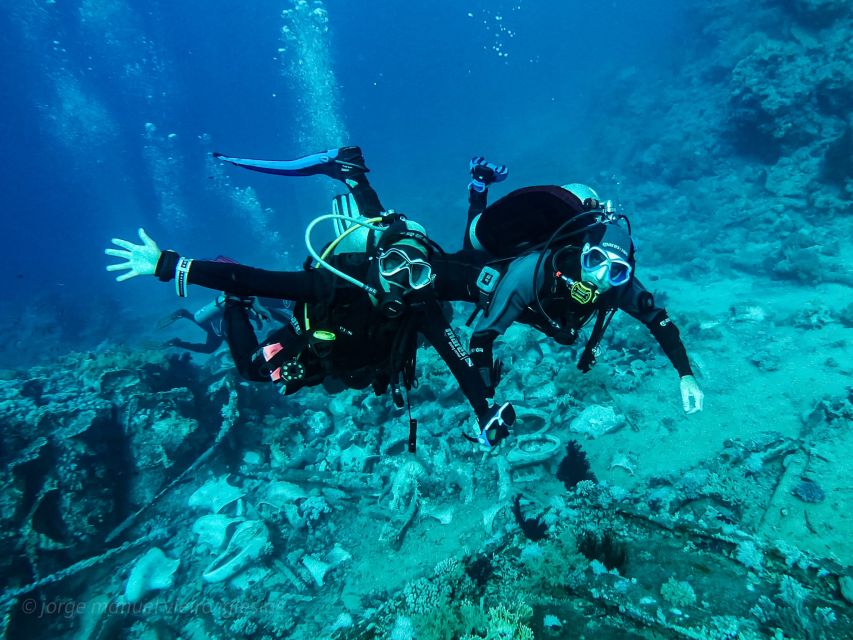
This course is not for everyone. It’s clearly designed for people who can safely participate in underwater training.
Not suitable for
- Children under 10
- Pregnant women
- People with heart problems
- People with respiratory issues
- People with pre-existing medical conditions
- People with high blood pressure
- People with recent surgeries
- Wheelchair users
If any of those apply, skip it and talk to your doctor. Don’t try to push through. Scuba involves conditions and physical changes that need medical clearance.
Ongoing rules you should plan around
You should not fly or climb to altitude (like Teide) for at least 12 hours after the course. Plan your itinerary accordingly. If Tenerife is only one stop on your route, build in time for that buffer.
Also, the tour runs rain or shine. That doesn’t mean the day becomes miserable. It means you should dress and prepare like the weather can change fast.
Getting the Most Out of Your Instructor and Your Water Time
You’ll get the best experience if you treat this like a skills class, not a sightseeing cruise. The instructor will teach tricks to help you feel like a pro, but you’ll get more out of it if you ask questions when you’re on the boat and pay attention during the equipment intro.
I’d also take advantage of the private format. If you want to practice a specific technique again, or you’re unsure about something in the basics, say it. The course is set up for learning, and the coaching style in feedback is described as calm and reassuring.
That’s why instructor communication matters. Names like Amara, Elena, and Gabi stand out in the feedback for being patient and supportive. When an instructor is good at explaining both the why and the how, you tend to feel safer because you know what’s happening.
What to pack for comfort and speed
Besides ID, swimwear, towel, change of clothes, and water, consider bringing something simple for after. You’ll want to dry off quickly and get comfortable once the saltwater part is done.
Should You Book This Private Scuba Discovery Course?
Book it if you want:
- A private, instruction-heavy start
- Two underwater sessions with no time pressure
- Real take-home value through a 12-meter-allowing DSD-style certification
- A chance to see Canarian tropical fish and local marine life, with the possibility of turtles/rays on the second site
Think twice if:
- You have any of the medical or mobility limits listed above
- You can’t handle training in variable weather (since it runs rain or shine)
- You don’t need certification and just want low-effort scenery (because photos/videos aren’t included)
My honest take: for first-timers who want to progress, this is a well-structured deal. You’re paying for instruction, equipment, insurance, and certification—not just a brief look at the water. If that matches your travel goals, it’s a smart way to spend a half day on Tenerife.
FAQ
How long is the private scuba discovery course?
It lasts about 5 hours.
What’s included in the experience?
You get two underwater sessions, a private instructor, scuba equipment, basic diver certification (to 12 meters with an instructor), scuba insurance, and permanent access to an online platform.
What certification will I receive?
You receive DSD-style/basic diver certification that allows you to go to 12 meters as long as you have an instructor.
Do I need to bring scuba equipment?
No. Diving equipment is included. You should bring ID or a passport, swimwear, a towel, a change of clothes, and water.
Is this suitable for children or people with medical conditions?
It’s not suitable for children under 10, and it’s also not suitable for people with heart problems, respiratory issues, pre-existing medical conditions, high blood pressure, or recent surgeries.
What should I do after the course about flying or altitude?
You should not fly or climb to altitude (for example, Teide) for at least 12 hours after diving.