REVIEW · MADEIRA
Surf lesson in Madeira
Book on GetYourGuide →Operated by Surf Clube da Madeira · Bookable on GetYourGuide
Atlantic waves meet beginner confidence here. In Madeira, this surf lesson trades “maybe you’ll catch a wave” energy for a small group and hands-on coaching that’s built for beginners and intermediates. I like how the instructors focus on making you feel in control (even when conditions aren’t perfect), and I like the quality basics like solid boards and good wetsuits. One drawback to keep in mind: the ocean calls the shots, so your time in the water can shift, and the waves can feel intimidating if you’re new and nervous.
You’ll also get a real logistics handoff. If you book Funchal pickup from Santa Luzia Park, you’re looking at about 45 minutes to reach the surf spot, and the staff speak English, Polish, Portuguese, and Spanish. If you skip pickup, plan to arrive at the surf spot about 45 minutes after the time shown, then let the warm-up and coaching take over.
In This Review
- Key Highlights Worth Zooming In On
- Surfing Madeira’s cliffs: why this lesson feels like real island adventure
- Funchal pickup and the 45-minute transfer to the waves
- If you’re getting picked up
- If you’re driving
- Why this matters
- Warm-up and setup: how you get ready before you paddle
- 1.5 to 2 hours of Atlantic wave surfing (and what to expect)
- Beginner to intermediate focus
- Coaching style you can feel in the water
- The honest caution
- Small-group coaching (up to 5): why this is a better value than big classes
- What to bring for Madeira surf: the simple kit that prevents misery
- Price and value: does $88 make sense for a 4-hour Madeira surf lesson?
- When weather changes the plan: how to stay ready on a surf day
- Who should book this Madeira surf lesson (and who should skip it)
- Should you book Surf Clube da Madeira’s lesson?
- FAQ
- How long is the surf lesson in Madeira?
- Where is the pickup in Funchal?
- How long does it take to get from Funchal to the surf spot?
- If I’m not using pickup, when should I arrive at the surf spot?
- Is this surf lesson for beginners?
- What is the minimum age?
- How long will I be surfing in the water?
- What languages do the instructors speak?
- What should I bring?
Key Highlights Worth Zooming In On
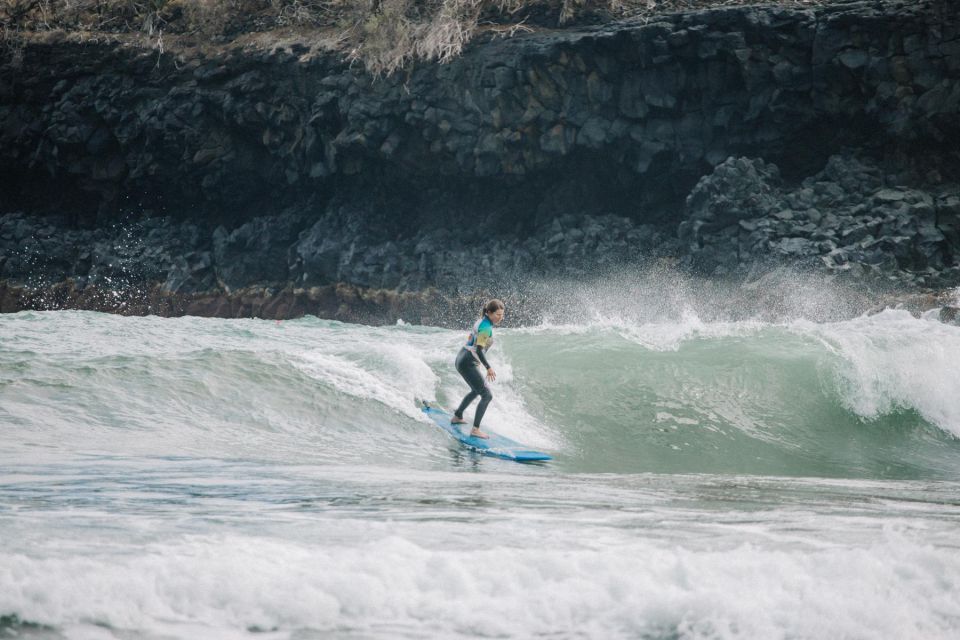
- Small group size (up to 5): more attention in the water, less waiting around on the beach
- Beginner-friendly structure: warm-up on land, then 1.5 to 2 hours surfing time
- Atlantic wave coaching: instructors guide you on timing, stance, and reading sets
- Multiple instructor languages: English, Polish, Portuguese, and Spanish
- Funchal pickup option: scheduled pickup from Santa Luzia Park in Madeira
Surfing Madeira’s cliffs: why this lesson feels like real island adventure
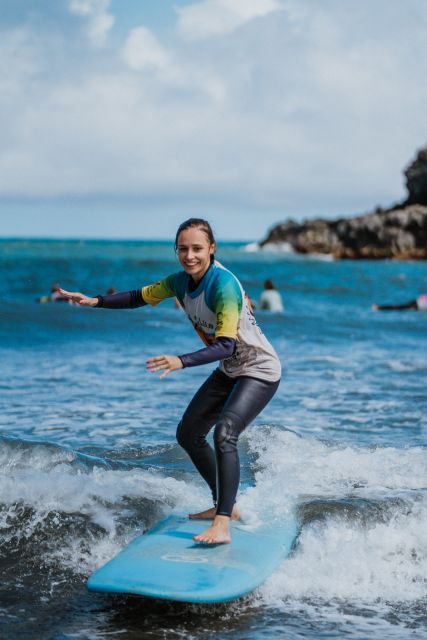
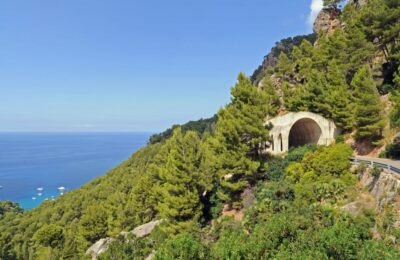
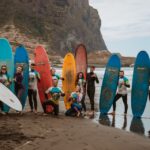
Madeira surf isn’t about calm, postcard water. You’re surfing along a rugged Atlantic coastline with cliffs nearby, and that changes the vibe fast. This is the kind of outing where nature feels present: wind, swell direction, wave timing—your lesson has to match what the ocean is doing that day.
The lesson is designed for people at two levels: beginners and intermediates. That matters because you’re not stuck in an all-beginner class where you get rushed, or an advanced group where you feel lost. Some groups can be more focused on advanced surfing too, which shows up in the way the coaching is offered and how flexible they can be with your level once you’re in the water.
Two things I’d call out as especially strong:
- Getting time where it counts. The plan isn’t just theory. You’re in the water for about 1.5 to 2 hours during the 4-hour total block.
- Safety and encouragement at the same time. Reviews point to coaches who help you stand and stay steady—especially for first-timers. If you’ve never surfed before, that combo is huge: you need both instruction and confidence.
You can also read our reviews of more tours and experiences in Madeira.


Funchal pickup and the 45-minute transfer to the waves
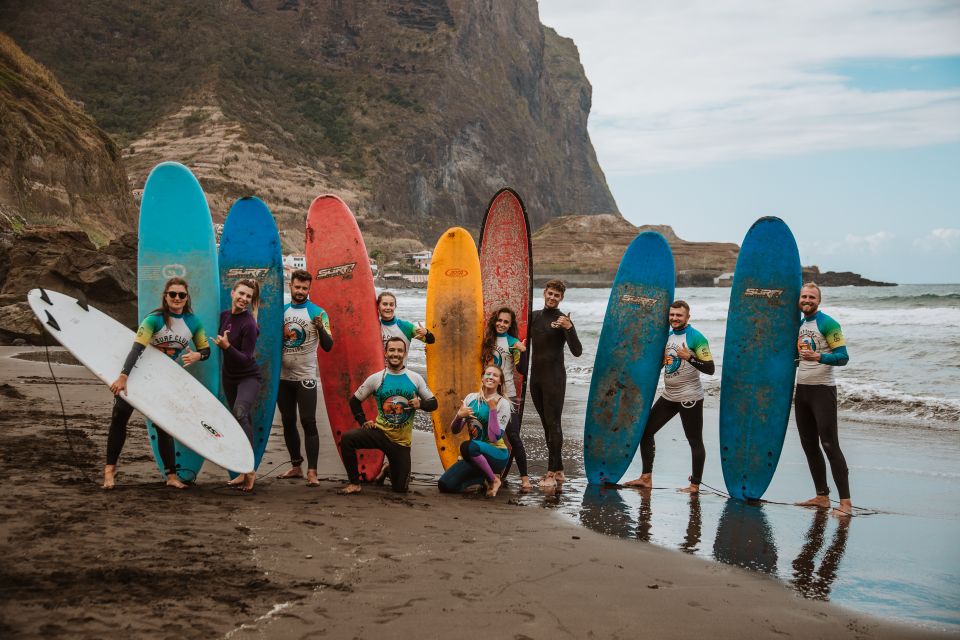
The day starts with either pickup or self-arrival, and it’s worth getting this part right because it affects your whole schedule.
If you’re getting picked up
Pickup is from Jardim Santa Luzia / Santa Luzia Park in Funchal. The ride to the surf spot takes about 45 minutes. The operator notes that there are limited spots for pickup (12 spots available), so if you’re planning to rely on transport, book with pickup early and add your pickup request in the booking notes.
A practical tip: the total activity time shown includes the pickup time in Funchal. If you’re doing pickup, you’ll follow their schedule. If you’re not, you’ll need to adjust your arrival based on that 45-minute travel time.
If you’re driving
If you’re driving, meet the surf school in Porto da Cruz. That’s the easiest approach if you’re already exploring the north coast area and want to stay flexible.
Why this matters
Surf days live and die by timing. Missing the handoff means you lose warm-up time and instruction. I like that this lesson includes pickup (when you select it) because it reduces the “figure it out on a tight timeline” stress—especially on a first surf day.




Warm-up and setup: how you get ready before you paddle
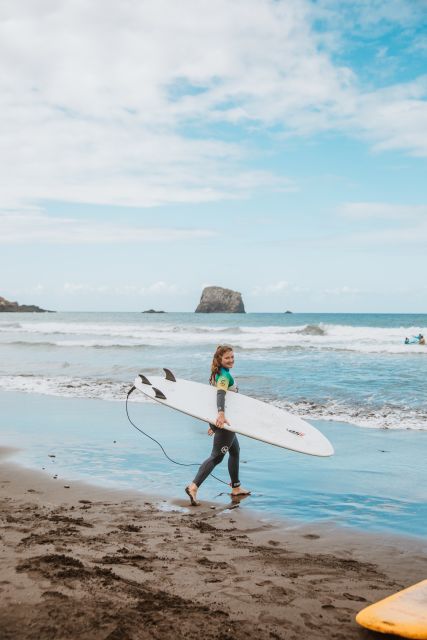
Before you hit the water, you’ll warm up and get prepared at the surf spot. Even though the exact warm-up routine isn’t spelled out in detail, the flow is clear: short prep on land, equipment check, then instruction as you start surfing.
This is the moment where beginners often decide whether they’ll enjoy the whole session. If you’ve got even a little anxiety, pay attention during the prep. Coaches use this phase to:
- explain what to do in the waves you’re likely to face,
- help you get your stance and board handling ready,
- and guide you on what to focus on during each attempt.
Based on what people say after their first session, the coaching here is active, not distant. One reviewer mentioned how supportive the coach was during a first-time try—exactly the kind of energy you want before you commit to paddling out.
1.5 to 2 hours of Atlantic wave surfing (and what to expect)
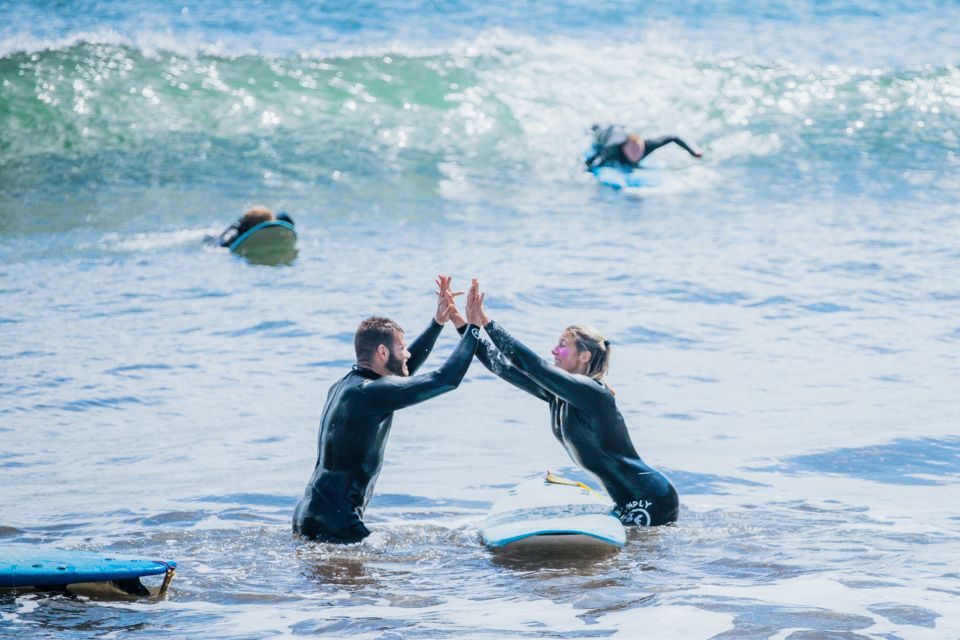
The lesson window in the water is 1.5 to 2 hours, and that’s where the value shows. In that time, the goal is simple: you should actually ride and build skills, not just stand next to the board taking photos.
Beginner to intermediate focus
For beginners, expect coaching on the basics: how to get up, how to manage balance, and when to aim for a wave. For intermediates, the guidance usually shifts toward refining technique and improving how you read wave sets.
Some reviews even point out that there can be a more advanced group at the same time, which suggests the instructors can separate needs and progress accordingly.
Coaching style you can feel in the water
People repeatedly highlight that instructors are super helpful and encouraging, and that they adapt their explanations so you can act immediately. One name that comes up in the feedback is Jonny (and a few variations like Johnyyyy/Jonny) for friendly, effective guiding that helped a first-time surfer get onto waves. Another name that appears is Kyah, praised for looking after a student in the class.
Even if your instructor isn’t one of those names, the pattern holds: expect coaching that’s personal and practical, with real corrections, not just general tips.
The honest caution
There’s one theme you should take seriously: sometimes people arrive hoping for “easy first waves,” and instead face bigger surf than expected. One review mentions fear around getting in due to big waves, but also says everything ended up fine once the instruction kicked in. Translation for you: trust the instructor, and don’t let pride override comfort. If you’re unsure, speak up early.
Small-group coaching (up to 5): why this is a better value than big classes
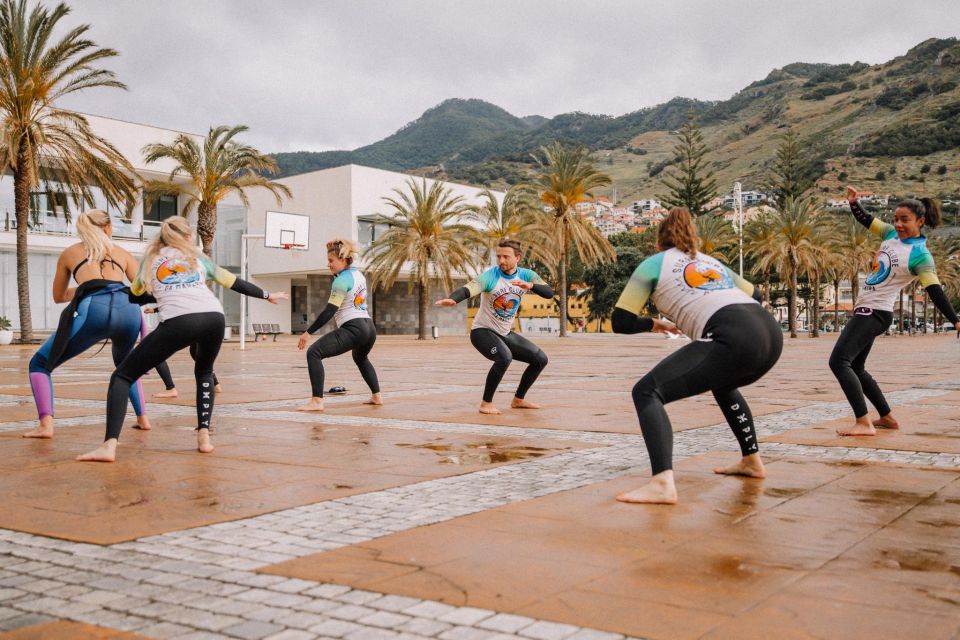
This lesson is limited to 5 participants. That’s not a small detail—it’s the difference between getting pushed into the water with minimal attention and actually understanding what you’re doing wrong.
In a tiny group, instructors can:
- watch your attempts closely,
- give corrections faster,
- and keep you from losing momentum between rides.
You’ll see that in the review pattern: people praise the organization, the way explanations and prep work, and the feeling that instructors are invested in whether you succeed.
It also helps for language. With instruction available in English, Polish, Portuguese, and Spanish, small groups make it easier to match your questions to the right support.
What to bring for Madeira surf: the simple kit that prevents misery
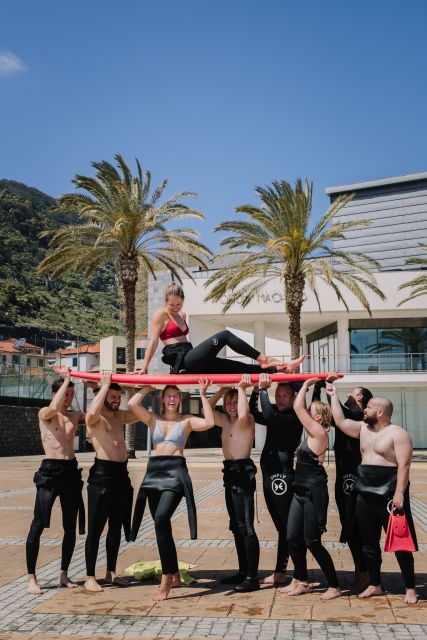
The lesson gives you a wetsuit and boards (mentioned directly in feedback), but you still need your own basics. Here’s what you should bring:
- Swimwear
- Sunscreen
- Towel
- Change of clothes
- Water
A few extra “real life” notes I think help:
- Bring a towel you actually like. After a saltwater session, the wrong towel can make you feel chilled fast.
- Change of clothes matters more than you think. Even if the weather looks fine, you’ll be wet for a while during transitions.
- Sunscreen is non-negotiable. Madeira sun can be strong, and you’re out in open coastal air.
Price and value: does $88 make sense for a 4-hour Madeira surf lesson?
The price listed is $88 per person for a 4-hour outing. That sounds straightforward, but the better question is what you’re getting for that money.
You’re paying for:
- professional instruction (including time in the water),
- a structured lesson flow (warm-up, setup, water coaching),
- small-group size capped at 5,
- and pickup option from Santa Luzia Park in Funchal.
Also, the lesson includes the kind of support you don’t always get with cheaper surf sessions: responsive coaching, and the flexibility to adjust when conditions require it.
If you’re comparing this to doing surf lessons without pickup, without small-group attention, or with lots of waiting, this price starts to look reasonable—especially because you’re getting 1.5 to 2 hours in the water during that 4-hour block, not a “mostly logistics” experience.
When weather changes the plan: how to stay ready on a surf day
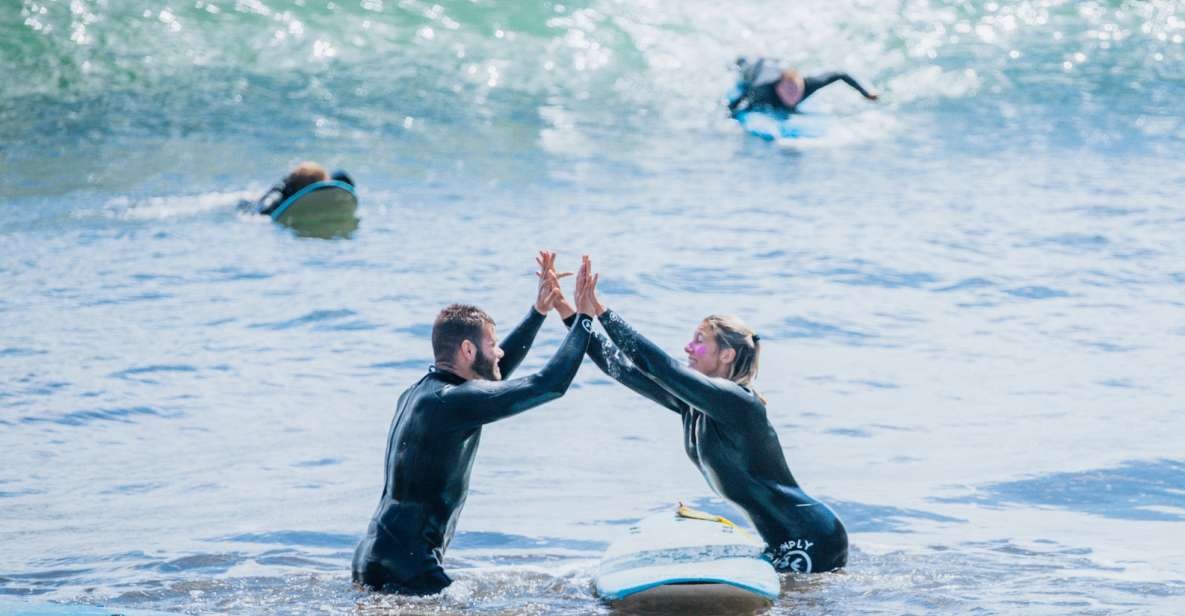
This is a surf lesson, so schedules can shift. The operator is clear that sea and weather conditions can affect timing, and that adjustments are sometimes necessary for safety and the best possible experience.
Two important ways to handle this:
- Accept that your “ideal surfing day” may shift. One review specifically calls out that the plan adapted well to changing conditions.
- Stay informed. They recommend joining their WhatsApp group so they can share schedule changes and other important updates.
The takeaway: don’t build a tight second plan right after your surf lesson. Keep some cushion. Even when everything goes smoothly, ocean conditions can change your exact water time.
Who should book this Madeira surf lesson (and who should skip it)
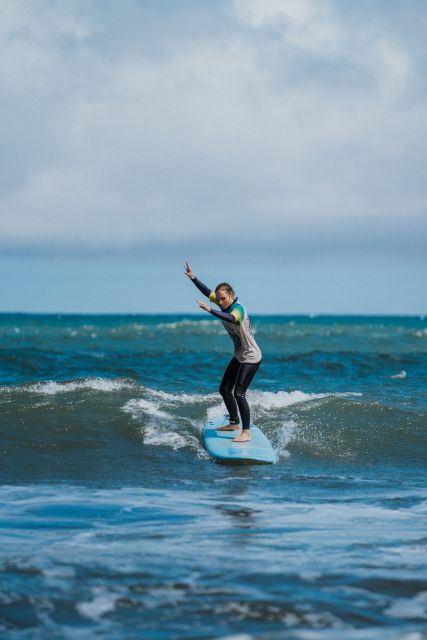
This lesson is a good fit if you want:
- an active introduction to surfing,
- beginner-friendly coaching with real feedback,
- and a group size that doesn’t leave you guessing.
It’s not suitable for children under 10. If you’re traveling with kids, that age limit matters.
You’ll also probably enjoy it more if you’re open to coaching rather than needing total control over every part. Surf can be unpredictable; instructors guide you through that reality.
If you’re an absolute beginner, it can still be a great start—reviews include first-timers who felt supported from the moment they arrived, and people who managed to stand and ride after the prep phase. If you’re someone who gets overwhelmed by larger waves, show up with a calm mindset and follow the instructor’s lead about whether you should paddle, rest, or try again.
Should you book Surf Clube da Madeira’s lesson?
If you want a real beginner-to-intermediate surf experience in Madeira without feeling lost in a crowd, I think this is a strong booking choice. The small group size, the multi-language coaching, and the focus on getting you on the board make it feel like your money goes to the point: surfing time and skill-building.
I’d skip it only if:
- you can’t handle schedule changes due to weather,
- you need an experience with fixed, guaranteed wave conditions,
- or you’re traveling with a child under 10.
If you go in flexible, bring your kit, and trust the instructors—especially in the early waves—this is the kind of day that turns into an easy story to tell later: cliffs, Atlantic energy, and a first real ride.
FAQ
How long is the surf lesson in Madeira?
The total duration is 4 hours.
Where is the pickup in Funchal?
Pickup is from Jardim Santa Luzia / Santa Luzia Park in Funchal.
How long does it take to get from Funchal to the surf spot?
The pick-up drive takes about 45 minutes.
If I’m not using pickup, when should I arrive at the surf spot?
The time shown includes the Funchal pickup. If you don’t need pickup, you should be at the surf spot about 45 minutes after the time shown.
Is this surf lesson for beginners?
Yes. It’s designed for beginners and intermediates.
What is the minimum age?
It’s not suitable for children under 10 years old.
How long will I be surfing in the water?
You’ll have about 1.5 to 2 hours of surfing lesson time in the water.
What languages do the instructors speak?
Instructors speak English, Polish, Portuguese, and Spanish.
What should I bring?
Bring swimwear, sunscreen, a towel, a change of clothes, and water.