REVIEW · TENERIFE
Sunset and stargazing from Teide
Book on Viator →Operated by Tenerife Stars · Bookable on Viator
The stars here start early. Teide National Park is a Starlight Reserve, and that means you get unusually dark skies for Tenerife, thanks to strict rules that limit light pollution. Add a true sunset-to-stargazing plan and telescopes, and the evening turns into a guided night-sky show at about 2000 meters.
What I like most is the combo of comfort and wow: you begin with a 3-course meal in Guia de Isora (including local wine, water, and soft drinks), then you shift into sunset viewpoints before you reach the stargazing spot. I also love that the sky time is not random looking. You’re shown constellations and their brightest stars at high altitude, plus you get powerful telescopes.
One thing to think about: this experience requires good weather. If skies are poor, your tour may be rescheduled or refunded, so plan to stay flexible with your Tenerife evenings.
In This Review
- Key Things You’ll Notice Right Away
- Why Teide Makes Tenerife’s Night Sky Look Different
- Timing, Group Size, and the Flow of a 6-Hour Evening
- Guia de Isora Dinner: More Than Food Before the Stars
- Mirador de los Poleos Sunset: The View You Came For
- Queen’s Shoe Stargazing at Teide: Constellations, Ancestors, and Telescopes
- The Human Part: Guides Who Keep the Night Moving
- What You Should Pack for Teide’s Night Air
- Price and Value: Is $77.08 a Smart Buy?
- Should You Book This Teide Sunset and Stargazing Tour?
- FAQ
- What time does the tour start, and how long does it last?
- Is dinner included?
- Are alcoholic drinks included?
- Do you include stargazing equipment?
- How long do you spend stargazing?
- Is there time for sunset viewing?
- What is the maximum group size?
- What happens if the weather is bad?
- Do I need to print a ticket?
Key Things You’ll Notice Right Away
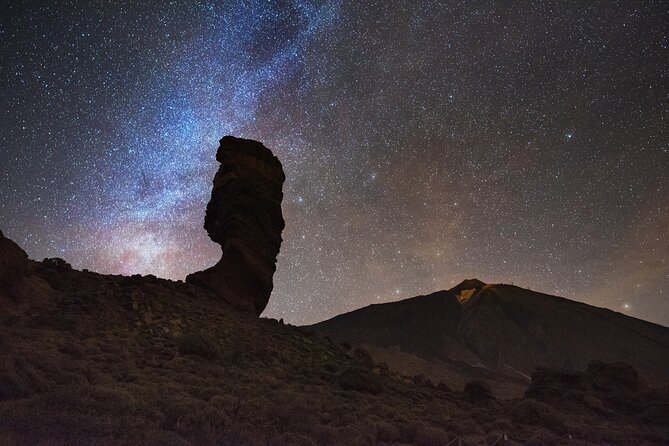
- Dark-sky rules in Teide National Park help keep stargazing conditions strong.
- Dinner with local wine comes early enough to make the whole night feel comfortable.
- Two big scenic breaks before the stars: one for sunset, one for island views.
- Stargazing at around 2000 meters improves your chances of crisp night-sky viewing.
- A maximum group size of 55 keeps things more manageable than you might expect.
- Powerful telescopes mean you’re not left guessing what you’re seeing.
Why Teide Makes Tenerife’s Night Sky Look Different
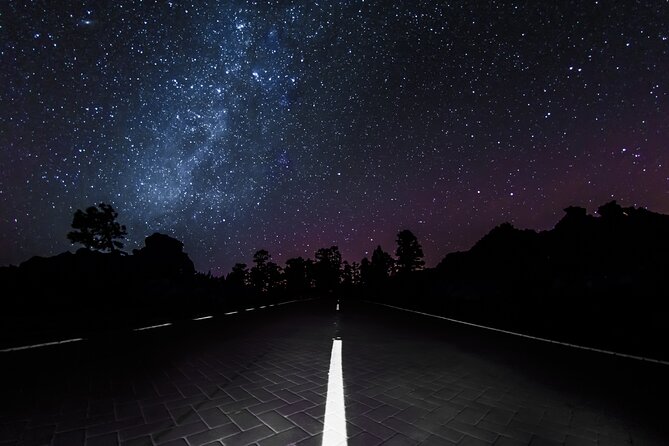
Teide National Park isn’t just a pretty mountain stop. It’s recognized for stargazing, having been named a Starlight Tourist Destination and Starlight Reserve by the Starlight Foundation. The practical result is that the park is treated like a living classroom for astronomy, not just a viewpoint.
Here’s the key: low light pollution. The park also has rules to protect dark skies, including control of flight routes and limits on light pollution inside the park. That matters because the “quality” of stargazing is mostly about what’s between you and the sky—not just the telescope.
You also gain altitude. At around 2000 meters, the air and line of sight can feel noticeably clearer than at sea level. That’s the kind of physical advantage that turns a nice night walk into a real night-sky session.
You can also read our reviews of more tours and experiences in Tenerife.
Timing, Group Size, and the Flow of a 6-Hour Evening
This runs for about 6 hours, starting at 5:00 pm and ending back at the meeting point. The schedule is built around the natural rhythm of sunset: you eat first, then you drive to viewpoints, then you let the sky get fully dark for telescopes and constellations.
One practical upside is the group size cap: up to 55 people. It’s not a tiny private experience, but it’s also not so large that you feel lost. You’ll also be traveling by air-conditioned vehicle, which is a real benefit on Tenerife when the day is still warm.
You’ll use a mobile ticket, which is handy if you don’t want to hunt for paper.
And a note that can affect your planning: the tour does not include pickup from the north of the island. If you’re staying in the north, check how you’ll reach the meeting point first.
Guia de Isora Dinner: More Than Food Before the Stars
You start in Guia de Isora, where the evening begins with a 3-course meal. This isn’t just a quick snack before you go outside. It includes local wine, water, and soft drinks, and you can choose vegetarian or vegan options if needed.
Why I think this matters for the whole experience: stargazing is long enough that hunger can kill the vibe. Starting with a proper meal means you can focus on the sky later instead of thinking about food. It also helps if you’re traveling with someone who doesn’t care much about astronomy but does care about a nice evening.
There’s also time for atmosphere and a short walk. The area is described as having great surroundings and views, so even before the telescopes, you’re not stuck waiting indoors with nothing to do.
In winter, dinner timing is noted around 4:30 pm—so if you’re booking during cooler months, expect the meal portion to happen earlier in the evening.
Mirador de los Poleos Sunset: The View You Came For
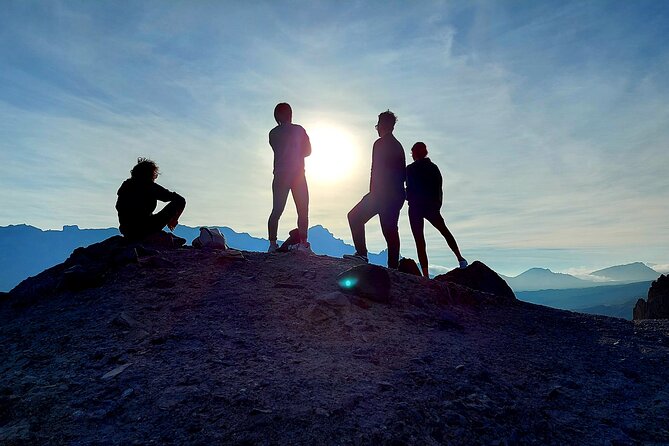
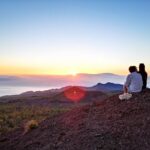
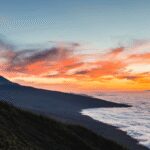
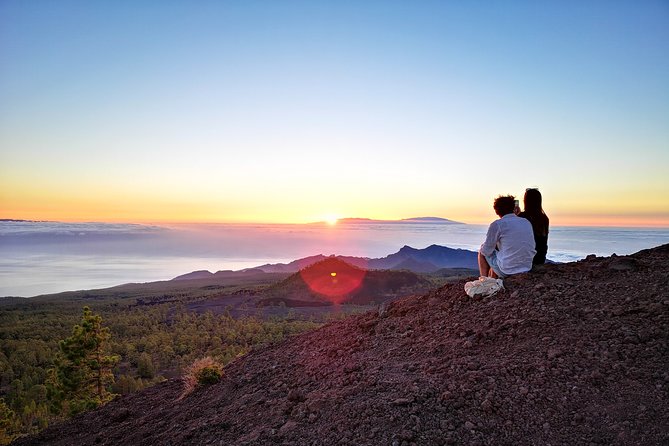
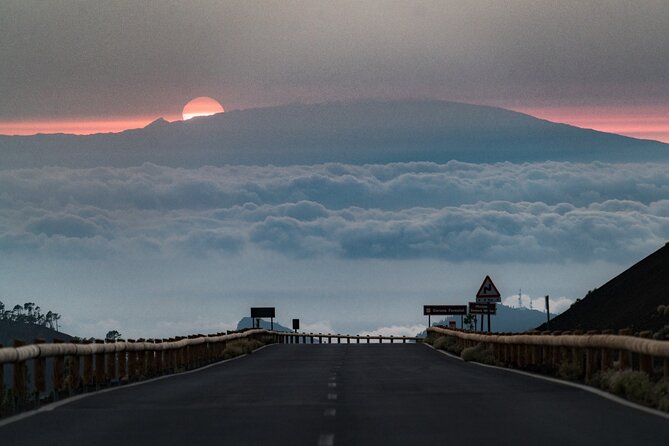
Once you’re fed, you move to Mirador de los Poleos, a stop designed for serious sunset viewing. This is where you get that classic Teide moment: the light changes fast, and the sky takes on that dramatic look that makes people stop talking.
You’ll also get a west-facing panorama. From here, you can see islands west of Tenerife, including La Gomera, La Palma, and El Hierro. That kind of multi-island view is great for orientation, too. Before stars come out, your brain already has a “map” of what direction things are.
The time is short—about 30 minutes—so treat it like a sunset sprint, not a long picnic. The best move is to find your spot quickly, then stay put long enough for the light to shift. Sunset in volcanic landscapes changes minute by minute.
Queen’s Shoe Stargazing at Teide: Constellations, Ancestors, and Telescopes
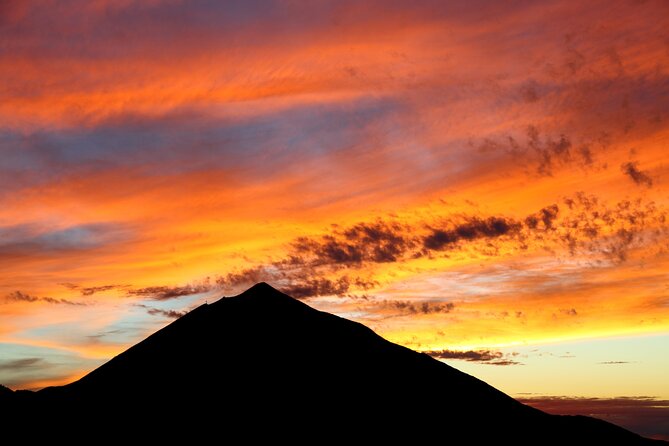
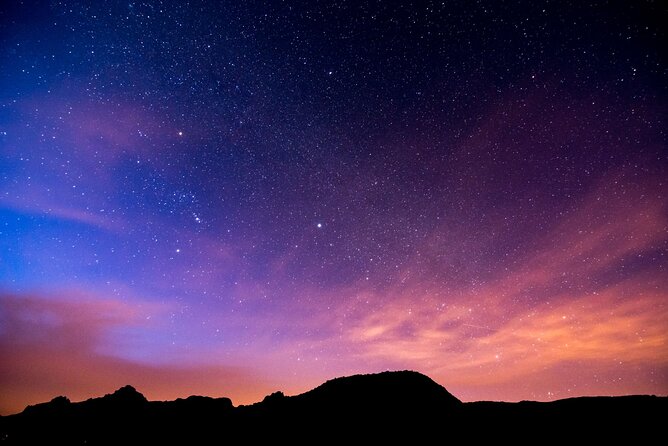
Your main stargazing stop is Queen’s Shoe, at around 2000 meters in the Teide National Park night-sky area. You’re there for about 2 hours, which is a solid chunk of time to see how the sky changes as it gets darker.
This is where the Starlight idea turns real. Teide is known for low light pollution inside the park, which helps you observe stars and constellations clearly. The tour also aims to show you constellations connected to what ancestors saw, plus the brighter stars that anchor each sky story.
And then there are the powerful telescopes. That’s a big value point, because a telescope changes what you can make out—especially if you’re not used to star spotting. You’ll get guidance on what you’re looking at, not just a free-for-all.
One more practical detail: stargazing works best when your eyes adapt. If you wear glasses, keep them on and be mindful of bright phone screens. Even if the tour guide is doing the heavy lifting, you’ll still see more if your eyes get time to adjust to darkness.
The Human Part: Guides Who Keep the Night Moving
The experience is built around more than scenery. It’s guided, and the guide’s tone can make or break a night-sky outing. From the feedback, names like Ozzi and Gianmarco came up with strong praise for enthusiasm and a real passion for the subject.
One interesting takeaway for you: language can vary. One comment specifically mentioned an issue early on regarding speaking French, and the provider’s response emphasized respect for different languages in the group. So if you need a specific language, it’s smart to confirm expectations at booking so you’re not surprised when you arrive.
Also, note that the guide is there to keep timing on track. With a short sunset stop and a longer night-sky session, it helps when the guide is good at pacing—so you don’t end up rushing through the best part.
What You Should Pack for Teide’s Night Air
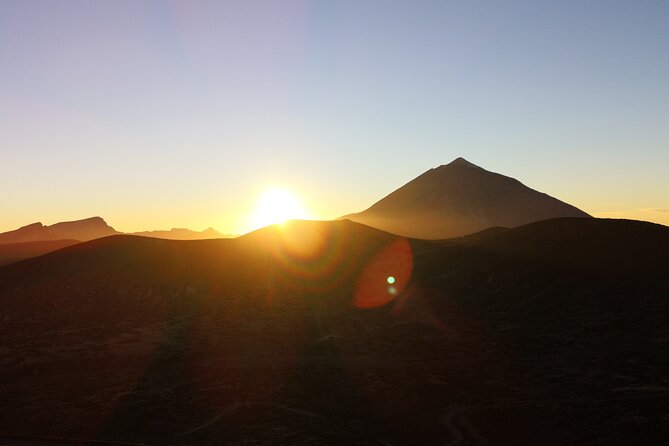
Even without promising exact temperatures, high-altitude evenings on Tenerife can feel cooler than you expect. You’re going from sunset heat to stargazing time, and you’ll likely be outside long enough that comfort matters.
I’d plan for:
- A warm layer for the telescope portion
- Closed-toe shoes for standing still and short walks
- A light wind layer if you run cold easily
- Minimal screen light once you’re ready to observe (keep brightness low)
You don’t need to dress like you’re going camping. But do treat this as an evening outside, not a quick drive-by photo stop.
Price and Value: Is $77.08 a Smart Buy?
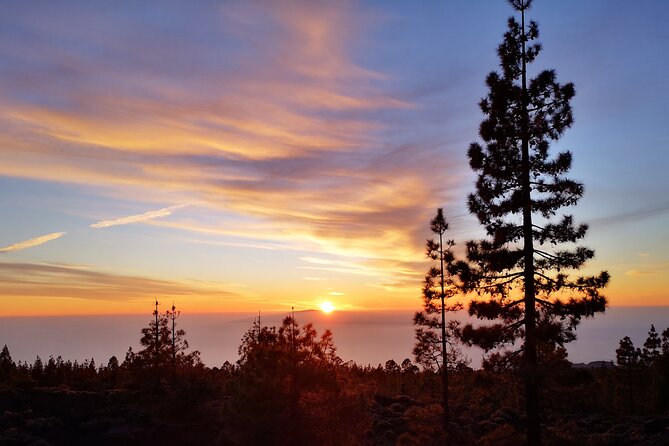
At $77.08 per person, this tour can feel like a bargain or a splurge depending on what you compare it to. Here’s the value math I see:
- You’re paying for transportation in an air-conditioned vehicle.
- You get a 3-course dinner with local wine plus water and soft drinks.
- You get powerful telescopes and guided stargazing time.
- You’re also getting multiple planned stops: sunset and island views before the main night session.
So you’re not just buying a viewpoint. You’re buying a controlled, timed evening with food, equipment, and a structured sky program. For many people, that’s the difference between a fun night photo and a real stargazing session you can actually understand.
The only potential cost “gotcha” is location. Since pickup from the north of the island isn’t included, you’ll want to account for how you’ll get to the meeting point if you’re far away. If you’re already near public transportation, that’s easier.
Should You Book This Teide Sunset and Stargazing Tour?
I’d book it if you want a Tenerife evening that’s organized around dark skies, not just a random drive and a photo stop. The combination of dinner with wine, a dedicated sunset viewpoint, and two hours of telescope stargazing makes this feel like a complete night out.
I’d think twice if:
- You’re extremely sensitive to weather changes and hate plan shifts.
- You’re planning to start the night late and you don’t like 5:00 pm starts.
- You’re staying in the far north and don’t want to arrange your own way to the meeting point.
If you’re the type who loves the idea of seeing the sky “come alive” with guidance, this tour gives you a fair shot—because it’s designed for the conditions Teide is famous for.
FAQ
What time does the tour start, and how long does it last?
It starts at 5:00 pm and lasts about 6 hours (approx.), ending back at the meeting point.
Is dinner included?
Yes. You’ll have a 3-course meal in Guia de Isora with local wine, water, and soft drinks. Vegetarian or vegan options are available. In winter, dinner is described as happening around 4:30 pm.
Are alcoholic drinks included?
Alcoholic beverages are included in the form of wine.
Do you include stargazing equipment?
Yes. Powerful telescopes are included for the stargazing portion.
How long do you spend stargazing?
You get about 2 hours for stargazing at the main location.
Is there time for sunset viewing?
Yes. You stop at Mirador de los Poleos for about 30 minutes to watch the sunset.
What is the maximum group size?
The tour allows a maximum of 55 travelers.
What happens if the weather is bad?
This experience requires good weather. If it’s canceled due to poor weather, you’ll be offered a different date or a full refund.
Do I need to print a ticket?
No. You’ll receive a mobile ticket.