REVIEW · TENERIFE
SSI Open Water Diver Course in Tenerife
Book on Viator →Operated by GooDiving · Bookable on Viator
Clear water and calm coaching. That is the Tenerife formula here: learn SSI open-water certification with hands-on coaching, then put skills to work in the Canaries’ marine life. I like how the team keeps things structured, with safety-first instruction and real patience in the water. One thing to consider: you’ll need to pass a health questionnaire and you should avoid training within 24 hours of flying.
What makes the experience feel worth your time is the instructor attention. Roberta (the owner) takes her time, explains clearly, and makes it easy to ask questions. Andrea shows up with skill and a friendly, focused vibe, and Orsi is mentioned as especially great for beginners and kids—patient, thorough, and encouraging.
The course is built around learning theory, then pool practice, then open-water training across the 3 days. Equipment and materials are included, plus pickup/drop-off in the Golf del Sur area, and snacks and drinks during the day. The only real catch is schedule and body-check reality: if you have a medical issue, it may restrict whether you can go in the water.
In This Review
- Key things I’d plan around
- Where It Starts: GooDiving in Golf del Sur
- Three Days of Learning: Theory, Pool Practice, Open-Water Sessions
- Day 1 focus: theory + pool confidence
- Pool work continues: five confined-water sessions
- Open-water training: four sessions, split across two days
- What You Actually Learn: Safety, Equipment, and Skill Control
- Tenerife’s Marine Life: Sea Turtles, Rays, and Octopus Chances
- Price and Value at $629.71: What You’re Getting
- Logistics That Matter: Pickup, Timing, and Health Checks
- Flying timing
- Health questionnaire
- Passport requirement
- Group size and attention
- Who This Course Fits Best (and who should think twice)
- Should You Book This SSI Open-Water Course in Tenerife?
- FAQ
- How long is the SSI open-water certification course in Tenerife?
- Where does the course start and where does it end?
- Is hotel pickup included?
- What does the course training include in the water?
- Is scuba equipment included?
- Do I need a passport?
- What is the cancellation policy?
Key things I’d plan around
- Max 4 people: small group size means you get time to work through skills without feeling rushed.
- 5 confined-water sessions: most of your confidence is built in the pool before you head out.
- 4 open-water training sessions across the course: you practice what you learn, not just the fun parts.
- Safety stays front and center: instructors focus on correct technique and comfort, not speed.
- Team names you’ll hear: Roberta, Andrea, and Orsi show up often in the center’s reputation.
- Included extras for your day: transport, snacks, beverages, and gear/materials are covered.
Where It Starts: GooDiving in Golf del Sur
I like Tenerife courses that start and end cleanly, because you do not want a travel day to add stress on top of learning scuba skills. This one begins at the GooDiving base in Golf del Sur, in Arona, then ends back at the same meeting point.
The location matters more than it sounds. Golf del Sur is a tourist-friendly strip with practical access to the rest of the island, and this center is near public transportation. If you’re staying elsewhere on Tenerife, the pickup option is a big help. If you are in the Golf del Sur area, you get hotel pickup and drop-off, plus air-conditioned minivan transport. That is less logistics for you and more time to focus on gear setup and training.
Also, it’s a small class (up to 4 people). In a certification course, that really changes the vibe. You’re not just another number. You can ask questions, repeat skills, and get feedback when something feels off.
You can also read our reviews of more tours and experiences in Tenerife.
Three Days of Learning: Theory, Pool Practice, Open-Water Sessions
The flow is straightforward: theory first, then pool, then open-water training. The course plan is built to help you get it in your head, feel it in your body, then use it outside.
Day 1 focus: theory + pool confidence
After learning the theory of scuba, you move to the swimming pool to practice and perfect the core skills you need for safe underwater time. This is not where you improvise. You work on the fundamentals until they feel normal: basic control, breathing rhythm, and how to manage yourself and your gear.
In a course like this, the pool is doing heavy lifting. You’re building calm habits with lower stakes than open water. You also learn how your body reacts to breathing equipment and pressure changes. That matters because if you get that part right, the rest of the program feels less like a test and more like progress.
Pool work continues: five confined-water sessions
You’ll complete five confined-water sessions total. In other words, the learning is not front-loaded just to check a box. You get repeated reps, so you can refine technique instead of moving on half-ready.
Open-water training: four sessions, split across two days
Then come the four open-water training sessions. The format is two sessions on one day and two on another day. I like that structure. You get a chance to settle in after the first day, and you’re not immediately expected to perform perfectly on day one out in open water.
The “open-water” part is where you translate pool skills into real conditions: moving water, different visibility, and the feeling of distance from the shore. The instructors keep you on track with safety checks and coaching so you can focus on using the skills you practiced.

What You Actually Learn: Safety, Equipment, and Skill Control
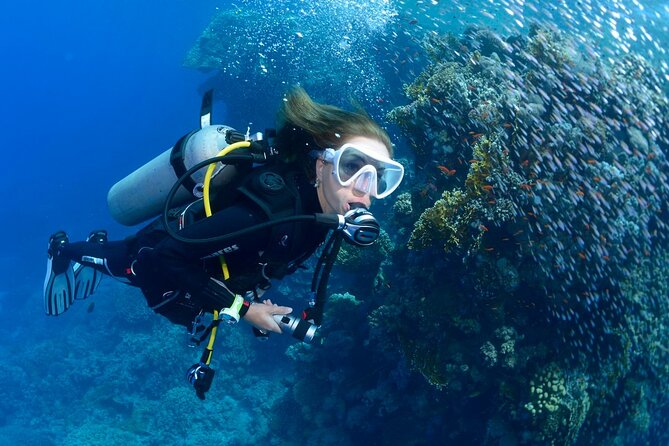
A certification course is only as good as its safety habits. This center’s reputation centers on instruction that is both friendly and strict about doing things correctly. Roberta is specifically called out for explaining everything in detail and answering questions. Andrea is praised for being brilliant, while Orsi is mentioned as patient and focused on helping learners feel secure.
Here’s what you should expect to learn across the program:
- Scuba essentials and safety: how to behave underwater, how to monitor your own breathing and comfort, and what to do when something isn’t going as planned.
- Equipment technique: setup, checks, and handling skills so your gear works with you rather than against you.
- Underwater control: practicing techniques in the pool so you can manage yourself when conditions change.
- Confidence-building repetition: the five confined sessions exist so you do not rely on a one-time trick.
If you’re a brand-new learner, the best part is that you’re taught skills before you see the ocean as a show. That reduces panic and makes the fun part actually fun.
If you’re returning for a refresher, that same structure helps you re-focus on basics and regain comfort quickly. One review notes the instructors helped a previously qualified diver feel confident again for another underwater outing. That is a good sign if you’re nervous about how you’ll handle the gear or whether you’ve “forgotten” technique.
Tenerife’s Marine Life: Sea Turtles, Rays, and Octopus Chances
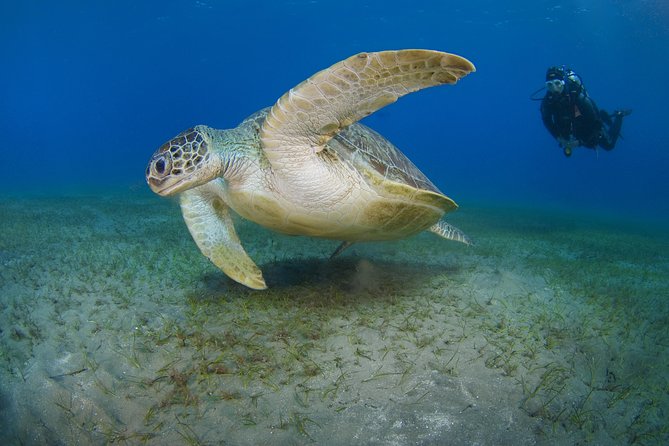
Tenerife’s water is famous for clear visibility and colorful marine life. This course is built around that reality: you’re not just memorizing safety rules. You’re using them while you look for wildlife.
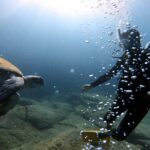
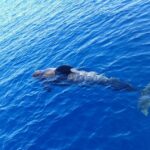
The program highlights include sea turtles and other marine life. In the center’s reputation, you also see mentions of rays and octopus, plus lots of fish species. Even if you do not see a particular animal on your specific day, the overall expectation is strong: you are trained with your eyes open, not shut.
Here’s how to make the most of the marine time:
- Keep your attention on technique first, wildlife second. When your buoyancy and breathing are stable, watching gets easier.
- Stay relaxed during instruction so you can enjoy the environment when the training task ends.
- Ask questions about what you’re seeing. Instructors who care about safety also tend to care about explaining the ecosystem.
Also, because you’re learning, your goal is not maximizing animal sightings. It’s learning to control yourself so you can have a safe, natural-feeling experience in the water. When you get that balance right, the marine encounters feel like a reward instead of a distraction.
Price and Value at $629.71: What You’re Getting
At $629.71 per person for about 3 days, the price can look high or reasonable depending on what’s included. Here, the value story is pretty clear: you’re not paying extra for the core pieces of the course.
Included items you should care about:
- Hotel pickup and drop-off in the Golf del Sur area
- Transport by air-conditioned minivan
- Beverages and snacks
- All equipment and materials included
- A mobile ticket (less paper hassle)
Not included:
- Souvenir photos, sold separately
What that means for you: the big expenses that commonly add up on certification trips—local transport, gear logistics, and course materials—are handled. The small group size (max 4) also supports the price. You’re paying for more instructor attention, and you’re getting it during the pool work where confidence is built.
One more value detail: some people note extra touches like photo/video options for purchase and snacks beyond the basics (like watermelon or ginger cookies). Even if that varies day to day, it matches the overall tone of the center: training plus a comfortable, friendly atmosphere.
If you want to book this kind of course without surprise add-ons, this package is closer to what you hope for.
Logistics That Matter: Pickup, Timing, and Health Checks
A scuba certification course is not just about what happens underwater. It is about making sure you arrive ready. This one includes a few important notes you should treat seriously.
Flying timing
You should not do scuba training within 24 hours of flying. That’s not a random rule. It’s a safety consideration. If you’re planning a Tenerife trip, schedule your flight arrival so you have at least a day gap before your first in-water session.
Health questionnaire
Before you participate, you’ll complete a health questionnaire. Some pre-existing medical conditions (like asthma or heart conditions) may prevent you from training. The smart move is to talk to your doctor early if you’re unsure rather than waiting until the questionnaire moment.
Passport requirement
A valid passport is required on the day of travel. That might feel odd for Spain, but you should plan as if it matters, because it does.
Group size and attention
Max 4 travelers means your experience stays hands-on and personal. It also helps with pacing—especially in the pool where practice requires repeat time, not just a quick demonstration.
Who This Course Fits Best (and who should think twice)
I’d recommend this SSI open-water certification course if you want:
- A structured learning path (theory → pool → open water)
- Small-group instruction with patient coaching
- A real chance to see marine life like sea turtles, rays, and octopus
- Included gear and materials so you do not spend your trip hunting equipment
It’s also a strong choice for families. One review highlights parents completing the course while kids did their own programs, with instructors managing multiple people and different comfort levels. If you’re bringing teens or young adults, the reputation includes instructors who stay patient and step-by-step.
Who should think twice:
- If you have a condition that could block participation after the health questionnaire, you’ll want medical advice ahead of time.
- If your trip schedule includes a tight travel window right after a flight, you may need to reshuffle days to meet the 24-hour rule.
- If you hate structured learning and prefer only recreational outings, certification training will feel more work than a simple day trip.
Should You Book This SSI Open-Water Course in Tenerife?
Yes, if you want an honest, skill-first certification path in clear Canarian water—and you like the idea of a small group with instructors who focus hard on safety and comfort.
It’s especially worth booking if:
- You’re new and want pool practice that builds real confidence.
- You want to see marine life like sea turtles and rays while learning proper control.
- You value included gear, transport, and training materials so your budget stays predictable.
Skip it or re-check your plan if:
- Your medical situation might be an issue on the questionnaire.
- Your schedule forces you to fly and train within a 24-hour window.
- You’re expecting a pure sightseeing day rather than a structured certification course.
If you’re the type who wants a calm, coached path into open-water skills, this Tenerife course is built for you.
FAQ
How long is the SSI open-water certification course in Tenerife?
The course runs for about 3 days.
Where does the course start and where does it end?
It starts at the GooDiving meeting point in Golf del Sur and ends back at the same meeting point.
Is hotel pickup included?
Yes, hotel pickup and drop-off are included for the Golf del Sur area.
What does the course training include in the water?
You’ll do five confined-water sessions (in a swimming pool) and four open-water training sessions.
Is scuba equipment included?
Yes, all equipment and materials are included.
Do I need a passport?
Yes, a current valid passport is required on the day of travel.
What is the cancellation policy?
Free cancellation is available. You can cancel up to 24 hours in advance for a full refund. If you cancel less than 24 hours before the start time, the amount you paid will not be refunded.