REVIEW · IBIZA
Scuba Diving Baptism and Snorkeling in Ibiza
Book on Viator →Operated by Centro de Buceo Arenal · Bookable on Viator
First timers usually worry about the breathing part. I like this because it turns intro scuba into a structured lesson, then sends you to a boat-only bay where UNESCO-protected Posidonia oceanica grows among rocks and sea life. You’ll learn the basics on the surface first, then head down with support designed for true beginners.
My other big plus is the coaching ratio. You’re kept in small groups of four beginners per instructor, with a pro staying close and giving clear, step-by-step guidance.
One consideration: conditions matter. Wind can change plans, and you also need to wait 12 hours after the activity before boarding a plane.
In This Review
- Key highlights worth knowing
- Getting there: the 9:00 am start at San Antonio’s pier
- Classroom first: safety basics and how the gear gets explained
- The boat ride to the cliffside bay that stays out of crowds
- Your first underwater loop: shallow entry, circular route, and what you’ll see
- Between groups on the boat: snorkeling, swimming, and a breather
- Price and value: what you’re paying for (and why $181.02 can make sense)
- Who this is best for (and who should skip it)
- Comfort tips I’d use as a first-timer
- The booking reality: weather, wind, and how plans can shift
- Should you book this Ibiza intro scuba session?
- FAQ
- Do I need any scuba certification?
- How long does the activity last?
- How deep will I go?
- How long will I be underwater?
- Are there small groups?
- What happens before I get in the water?
- Is snorkeling included?
- What is included in the price?
- What should I bring if I wear glasses?
- Who is it not recommended for?
Key highlights worth knowing
- Boat-only beginners’ bay: a cliffside spot off San Antonio that’s not reachable by foot, so it feels calmer than crowded shore areas
- Four-to-one instructor support: small groups designed for first-timers who need extra reassurance
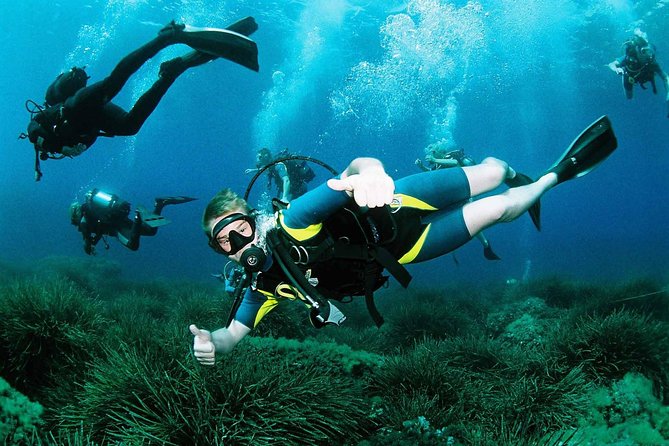
- Controlled first session: about 35 minutes underwater, up to 8 meters maximum, following a guided circular route
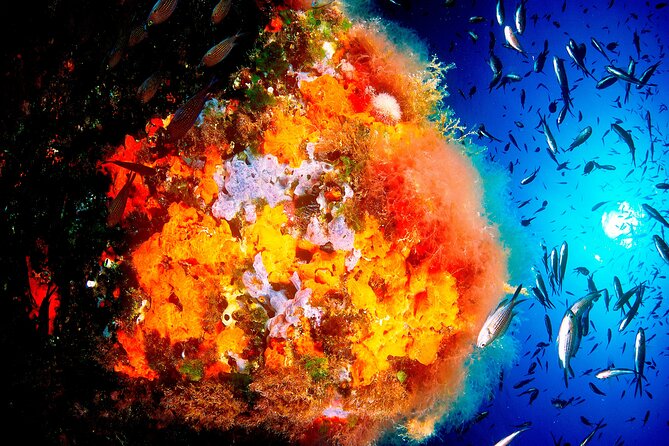
- Real sea-life variety: rockfish, starfish, octopus, anemones, spirographs, plus protected seagrass
- Between-groups freedom: once you’re back on deck, you can relax, swim, or snorkel with included gear
- Good value setup: gear, bottled water, and snorkeling equipment are included in the $181.02 price
Getting there: the 9:00 am start at San Antonio’s pier
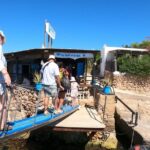
You meet at the pier of the scuba boats on Pg. de la Mar in Sant Antoni de Portmany. The start time is 9:00 am, and the whole day runs about 4 hours.
This matters because you’re heading out while the morning sea is often at its most workable. Also, you’ll want to arrive early enough to check in, get your wetsuit fit, and be ready before anyone heads to the classroom portion.
You can also read our reviews of more tours and experiences in Ibiza.

Classroom first: safety basics and how the gear gets explained
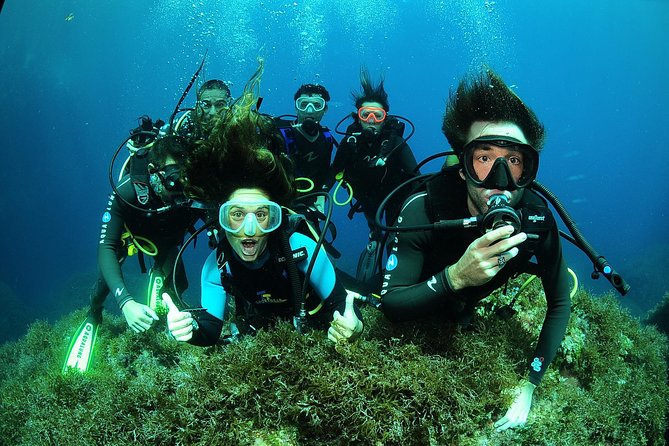
Before you go underwater, instructors run a theory session. It’s not long-winded. The goal is simple: understand scuba safety, learn what each piece of equipment does, and practice the technique you’ll need once you’re off the surface.
Then comes the practical part—equipment fitting and briefing. If you’re the type who learns faster by doing, this format helps you build confidence before you’re asked to coordinate breathing, hand signals, and buoyancy at the same time.
The boat ride to the cliffside bay that stays out of crowds
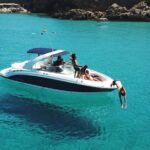
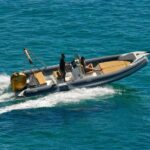
After you’re fitted, you take the boat to the underwater area. The spot is about 35 minutes away from San Antonio port, and it’s a confined bay tucked along cliffs.
The best part is the access. This location is only reachable by boat, which usually means fewer people around the water where beginners start. You’re not fighting foot traffic, beach chaos, or crowded launch points—just a quick ride and then a protected area that’s suited for an introduction.
Your first underwater loop: shallow entry, circular route, and what you’ll see
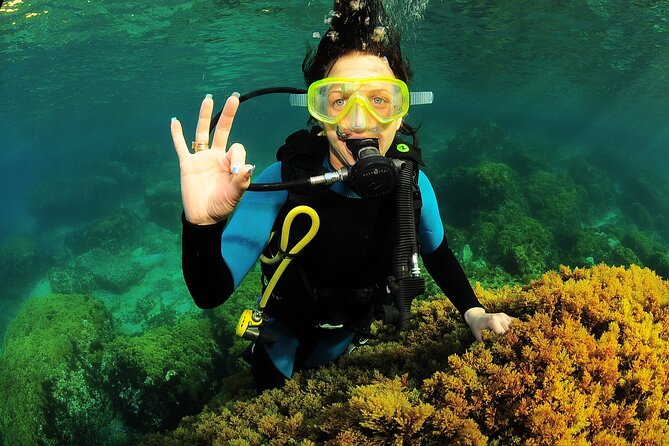
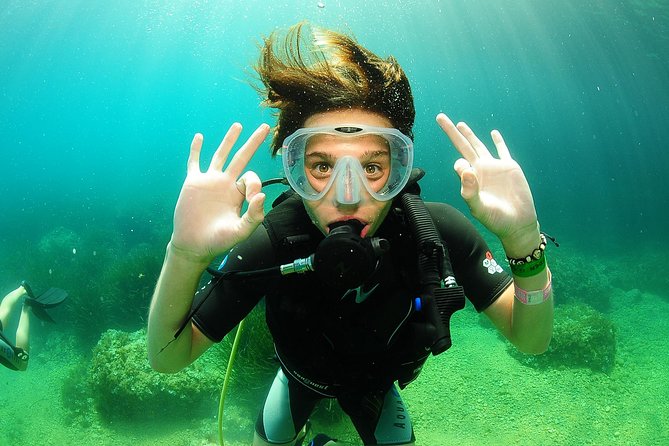
Once you enter the water, you start from shallow areas and follow your instructor on a circular route. It’s a guided setup, which helps you feel like you have a plan rather than guessing what to do next.
The underwater time is about 35 minutes, with a maximum depth of 8 meters. For beginners, that ceiling is reassuring: you’re not expected to roam into the unknown. You stay within a controlled environment while the instructor manages group spacing and checks on your comfort.
What makes this spot special is the mix of life and habitat. You may spot:
- rockfish
- starfish
- octopus
- anemones
- spirographs
- Posidonia oceanica (protected by UNESCO)
A quick note on the Posidonia oceanica: it’s not just pretty grass. Seagrass meadows act like a nursery and shelter for small sea creatures, and it’s one of the reasons divers talk about this area with real respect. Seeing it in a beginner-friendly bay is a strong payoff for the effort.
Between groups on the boat: snorkeling, swimming, and a breather
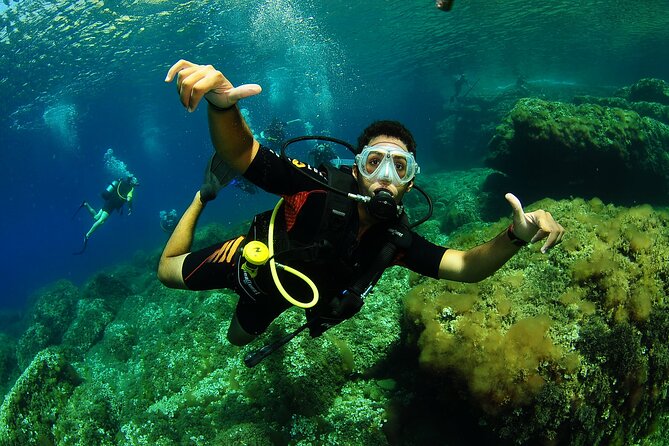
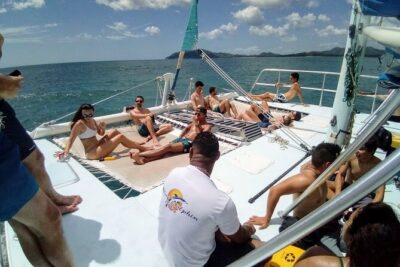
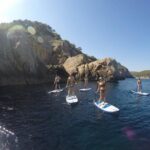
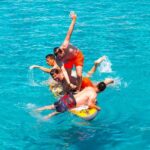
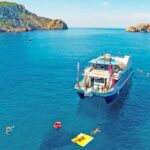
After your underwater session ends, you return to the boat deck. While another group takes their turn, you get time to relax. The boat setup is built for that pause.
You can:
- sunbathe on deck
- swim
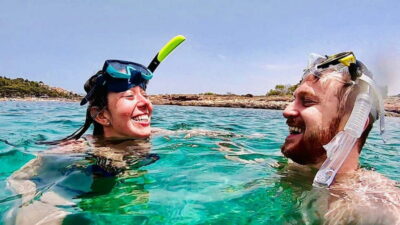
- snorkel using the included mask-and-tube style equipment
This part is quietly smart. It turns the day into more than just a single short underwater window. Even if your nerves run hot at first, you still get a fun block of water time while others go in.



Price and value: what you’re paying for (and why $181.02 can make sense)
At $181.02 per person for about 4 hours, you’re not just paying for the underwater minutes. You’re paying for several things that add up fast if you tried to piece them together yourself:
- a professional guide
- scuba equipment
- snorkeling equipment
- bottled water on the boat
Add in the small group structure—up to four beginners per instructor—and the price starts to look more like a guided skills class than a ticket to get tossed in the water.
Food isn’t included, and souvenir photos cost extra if you want them. So if you’re the type who likes a full meal afterward, plan for lunch or snacks separately.
Who this is best for (and who should skip it)
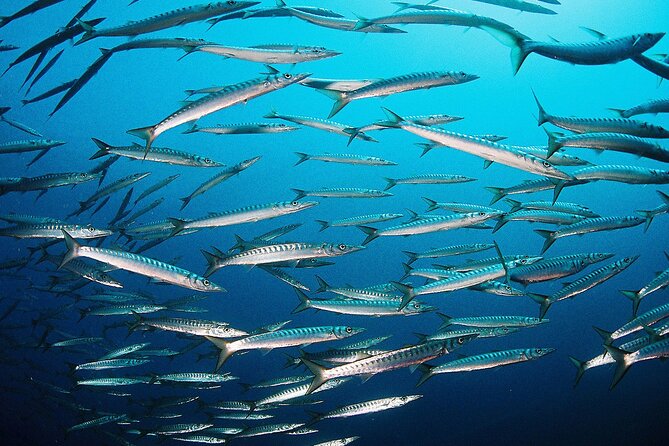
This is marketed for absolute beginners, and the setup is designed for that. You don’t need any certification or prior experience.
That said, you should be honest about your body and your comfort level. It’s not recommended if you have certain medical conditions, including:
- diabetes
- epilepsy
- active asthma
- high blood pressure
- any lung disease
- any ear disease
- blood disease
- any condition that makes you feel unwell, or if you’re taking medications to manage disease
- ear problems
If you wear glasses, you’ll need to plan ahead. The information provided says it’s not possible to use regular glasses in the water, so bring prescription specs if needed.
You’ll also want moderate physical fitness. Nothing here is described as a strenuous workout, but you should expect some getting in/out of the water and staying comfortable in the marine environment.
Comfort tips I’d use as a first-timer
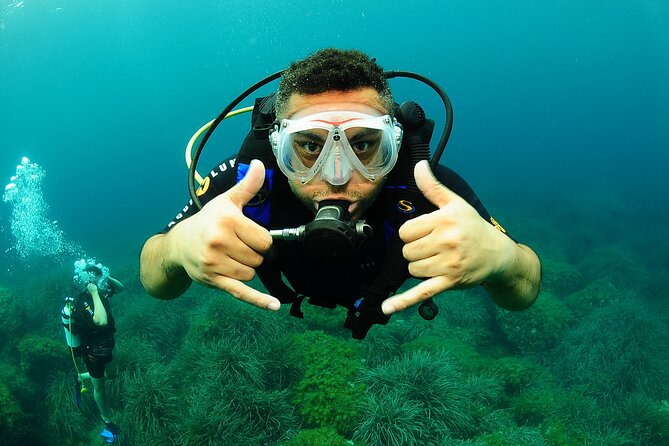
You’ll have a better day if you go in with a calm goal: follow the instructor, breathe steadily, and don’t try to prove anything.
A few practical things:
- Tell your instructor right away if you feel nervous or if your swimming comfort isn’t great. Being upfront helps them pace support.
- When you go down, focus on controlled breathing and listening for cues rather than how cool the animals look. The animals will still be there.
- Treat the briefing as part of the fun, not a formality. The theory session is there to stop confusion before it starts.
One real-world pattern from first-timers: the best outcomes usually come when you feel you’re being watched closely and encouraged. This operator’s setup is built around that kind of attention.
The booking reality: weather, wind, and how plans can shift
This experience requires good weather. That means you should expect wind and sea state to affect whether the schedule runs as planned.
One review issue was communication when wind changed direction. The practical advice: have your phone ready on the morning of your trip, and stay alert for last-minute updates.
Also, plan your travel day with the 12-hour post-activity waiting rule before flying. If your Ibiza plan includes a late flight, you’ll want to schedule your scuba session earlier in your trip.
Should you book this Ibiza intro scuba session?
Book it if you want:
- a true beginners’ intro with small groups
- a boat-only protected bay away from shore crowds
- a structured first underwater experience that also includes snorkeling and time on deck
- the chance to see real habitat, including Posidonia oceanica
Consider skipping (or choosing a different activity) if you:
- have any of the listed medical conditions, especially anything related to lungs or ears
- can’t handle the idea of waiting 12 hours before flying
- prefer a totally predictable itinerary with no weather dependence
If you fit the beginner profile and you can be flexible with weather, this is one of the best ways to get your first taste of scuba in Ibiza—focused on safety, close coaching, and that UNESCO-protected seagrass setting that’s hard to forget.
FAQ
Do I need any scuba certification?
No. The experience is designed for people with no prior certification or experience.
How long does the activity last?
Plan for about 4 hours total.
How deep will I go?
The maximum depth is 8 meters.
How long will I be underwater?
It’s approximately 35 minutes underwater.
Are there small groups?
Yes. The plan is small groups of four beginners per instructor (maximum), and the overall activity has a maximum of 30 travelers.
What happens before I get in the water?
You get a theoretical class, then you’re equipped with scuba gear.
Is snorkeling included?
Yes. Snorkeling equipment is included, and you can snorkel while other groups are underwater.
What is included in the price?
A professional guide, scuba equipment, snorkeling equipment, and bottled water on the boat.
What should I bring if I wear glasses?
It says it’s not possible to dive with glasses, so bring prescription specs if you need them.
Who is it not recommended for?
It’s not recommended for participants with diabetes, epilepsy, active asthma, high blood pressure, any lung disease, any ear disease, blood disease, or ear problems, and if you are not healthy or taking medications to control any disease.