REVIEW · TENERIFE
Puerto Colon : Whale & Dolphins Sailing Excursion
Book on GetYourGuide →Operated by Big Smile Luxury Charters Tenerife · Bookable on GetYourGuide
If you like nature with zero script, this Tenerife sailing fits. I love the chance to spot pilot whales in their own habitat and the practical focus on marine life from Captain Daniel and the crew. My other favorite part is the small-group feel, capped at 10 participants, so you actually get time to ask questions and hear what’s happening on the water. One thing to consider: it’s time on open water, so plan for motion if you’re even slightly prone to seasickness.
You start in Puerto Colón and sail through a protected area (Teno-Rasca Special Conservation Zone), then anchor at Diego Hernández Beach—also called Hippie Beach—where you can swim or snorkel while lunch is being prepared. It’s a classic Canaries mix: wild coastline, ocean soundscape, and a local meal that doesn’t feel like a rushed cafeteria stop.
In This Review
- Key highlights at a glance
- Setting Sail from Puerto Colón: what the day feels like
- The Teno-Rasca Special Conservation Zone: spotting pilot whales and dolphins
- A practical tip: plan to watch the surface, but also watch the water
- Hydrophones and whale calls: the sound you don’t expect
- Diego Hernández Beach (Hippie Beach): swim, snorkel, and reset
- Swim or snorkel while lunch happens
- What to keep in mind at the beach
- Canarian cuisine on the water: lunch that feels local
- Why lunch timing is a smart choice
- The 3–6 hour options: choosing the right amount of time
- Captain Daniel and the crew: how the best boat days get made
- Price and value: is $88 worth it?
- What to bring: sunscreen, towel, and the practical stuff
- Not allowed: touching animals
- Seasickness prevention: a real plan if you’re sensitive
- Who should book this sailing excursion
- Should you book Puerto Colón Whale & Dolphins Sailing?
- FAQ
- How long is the Puerto Colón whale and dolphins sailing excursion?
- How much does it cost?
- What animals can we look for on the cruise?
- Is hydrophone equipment included?
- Where do we swim or snorkel?
- What’s included for food and drinks?
- What language is the live guide available in?
- What should I bring, and what’s not allowed?
- Is there cancellation and flexible booking?
Key highlights at a glance
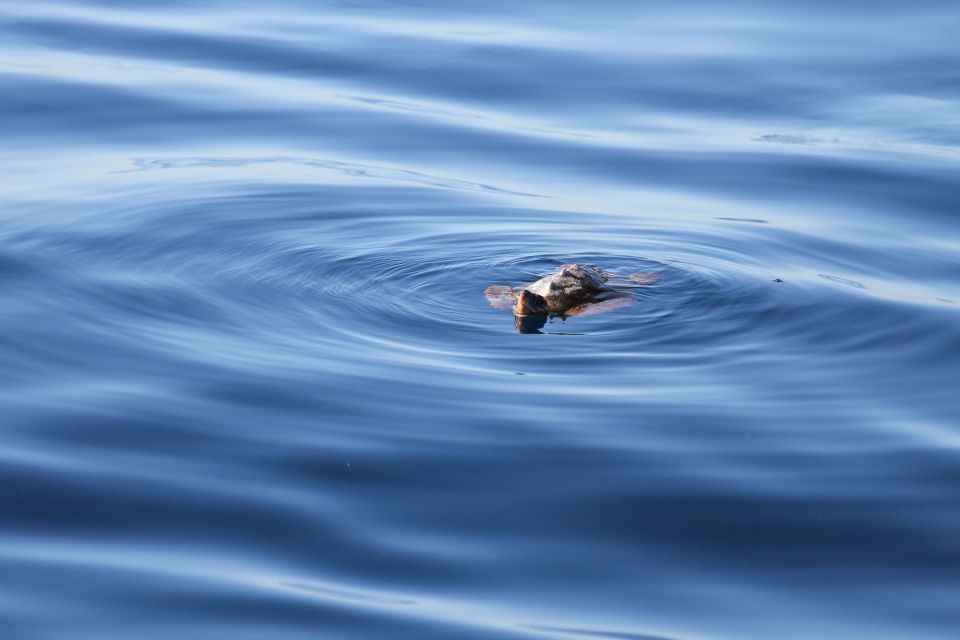
- Hydrophone listening: hear whale and dolphin calls through onboard equipment
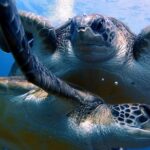
- Pilot whales and more: look for pilot whales (said to be Europe’s largest population) plus dolphins and turtles
- Diego Hernández Beach: quiet shoreline only reached on foot or by boat
- Canarian lunch with drinks: local specialties served while you’re anchored and in the water
- Small group format: up to 10 people for calmer viewing and more attention from the captain
Setting Sail from Puerto Colón: what the day feels like
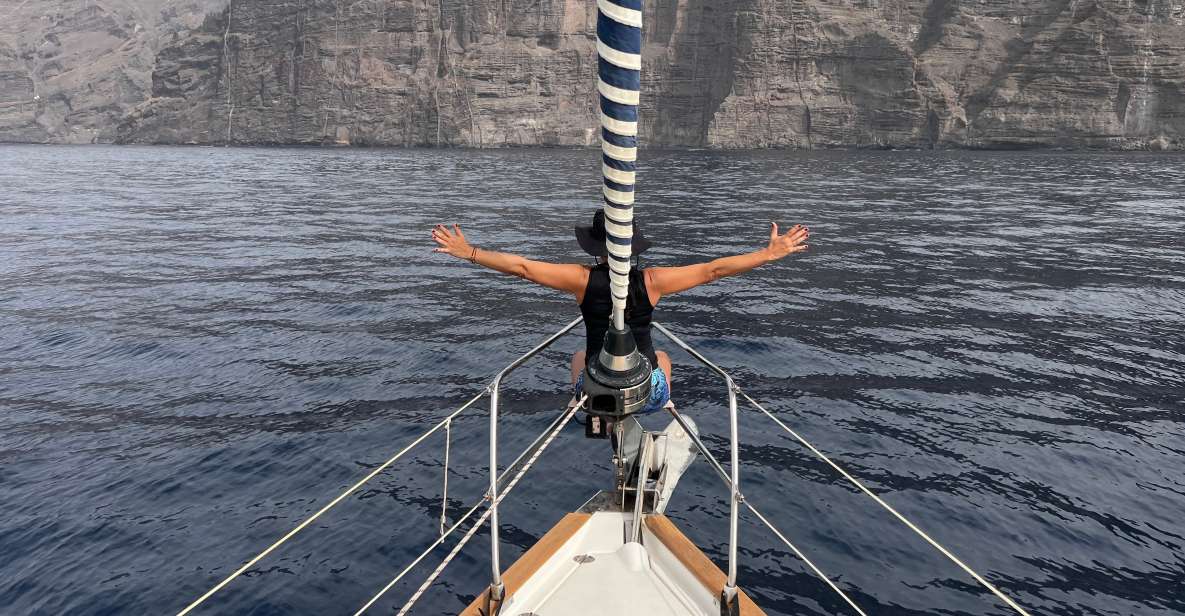
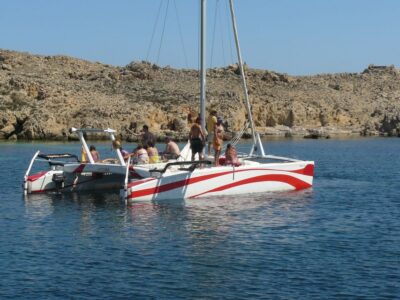
Puerto Colón is a straightforward start point for a half-day ocean outing. You board your sailboat in the morning (or afternoon, depending on the option you book), and the meeting point can vary based on what you select. Once everyone’s aboard, the day shifts from land-time planning to ocean-time patience.
This is the kind of trip where small details matter. A small group (limited to 10) changes the vibe fast. You’re not elbowing for the best angle or stuck staring over someone’s hat brim. You’re also more likely to have the captain address the group’s questions clearly, because there’s room for real back-and-forth.
And the crew’s approach seems to matter here. In reviews tied to this operator, Captain Daniel is praised for making people feel safe and welcome, plus for focusing on marine knowledge and respectful distance. That translates to a better whale-and-dolphin watch, because you’re less likely to be rushed into random movement just to tick boxes.
You can also read our reviews of more tours and experiences in Tenerife.
The Teno-Rasca Special Conservation Zone: spotting pilot whales and dolphins
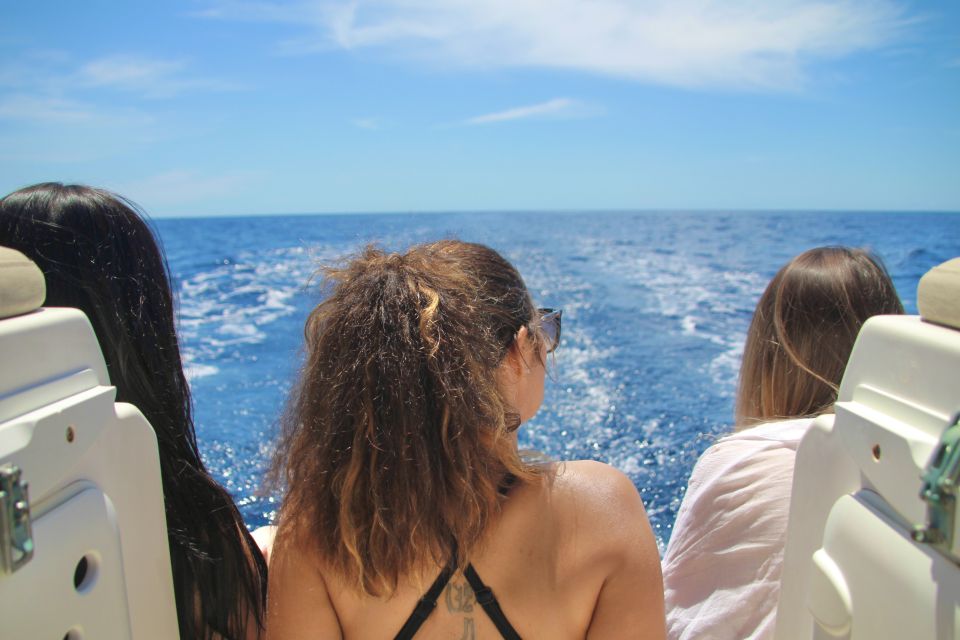
After boarding, you sail out along Tenerife’s coast, within the Teno-Rasca Special Conservation Zone. This protected-area context isn’t just a label. It’s part of why your guide spends time scanning the water and watching how animals behave, instead of treating wildlife like roadside scenery.
What you’re looking for depends on what’s in the area that day, but the tour targets specific species:
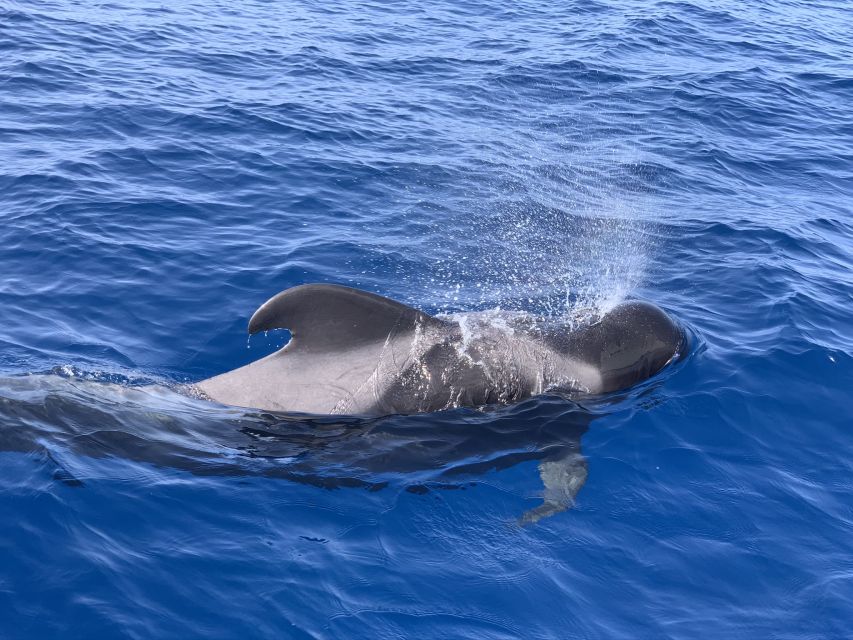
- Pilot whales (the largest population in Europe, as stated for this experience)
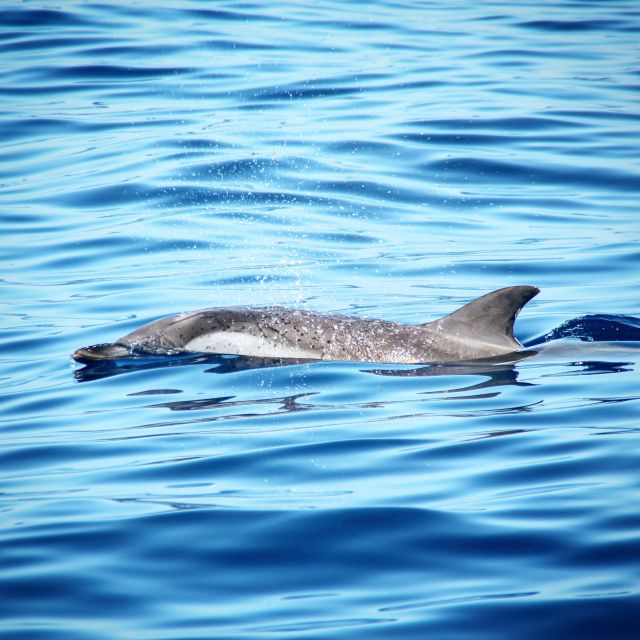
- Dolphins, often seen splashing alongside the boat
- Loggerhead turtles
- Fin whales (mentioned as possible sightings)
You’ll be on a sailboat, which means you’re not blasting around. That matters for animal viewing. Quiet speed and thoughtful positioning give wildlife time to surface and move naturally, and it also keeps the experience calmer for you.
A practical tip: plan to watch the surface, but also watch the water
When whales and dolphins are active, they often telegraph what they’re doing first—movement in a line, changes in wave patterns, or repeated surfacing in the same area. Try not to stare only at one spot. Scan in sections, then hold still once you spot something. It’s not glamorous advice, but it helps you catch the best moments.
Hydrophones and whale calls: the sound you don’t expect
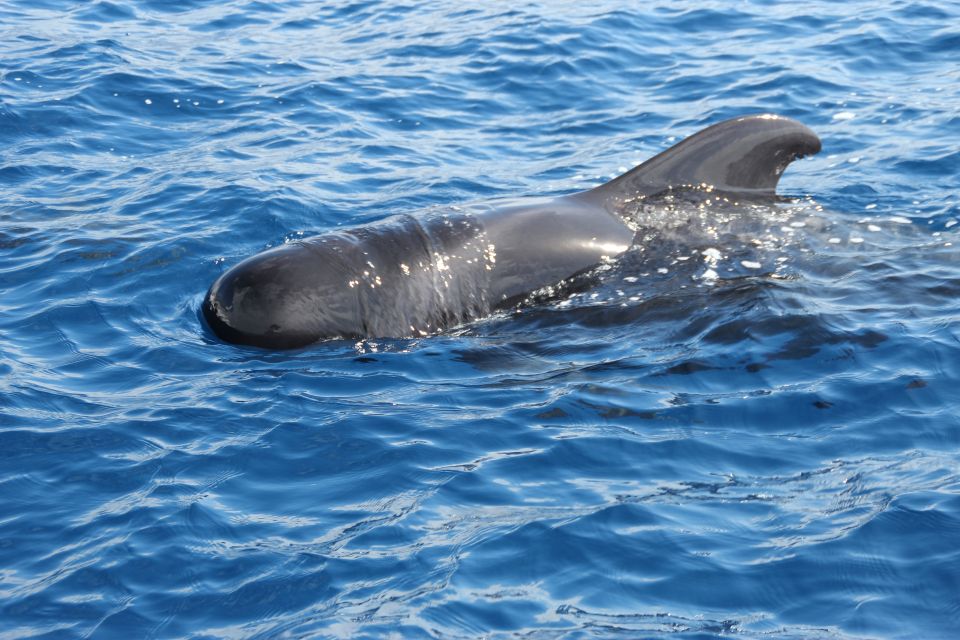
One of the coolest parts of this excursion is that you don’t just look—you also listen. The tour includes hydrophone equipment, letting you pick up calls from whales and dolphins as you’re out on the water.
Even if you don’t know what the sounds mean, this changes the experience. It turns wildlife spotting into something more than visual luck. You get an extra channel of information, and it often makes you pay closer attention to timing: when the animals are likely to vocalize and when they might surface.
In real-world terms, hydrophones also help the group feel connected. People stop saying only, Where are they? and start asking better questions, like how sightings correlate to sound. That’s exactly the kind of captain interaction you want on a wildlife trip.
Diego Hernández Beach (Hippie Beach): swim, snorkel, and reset
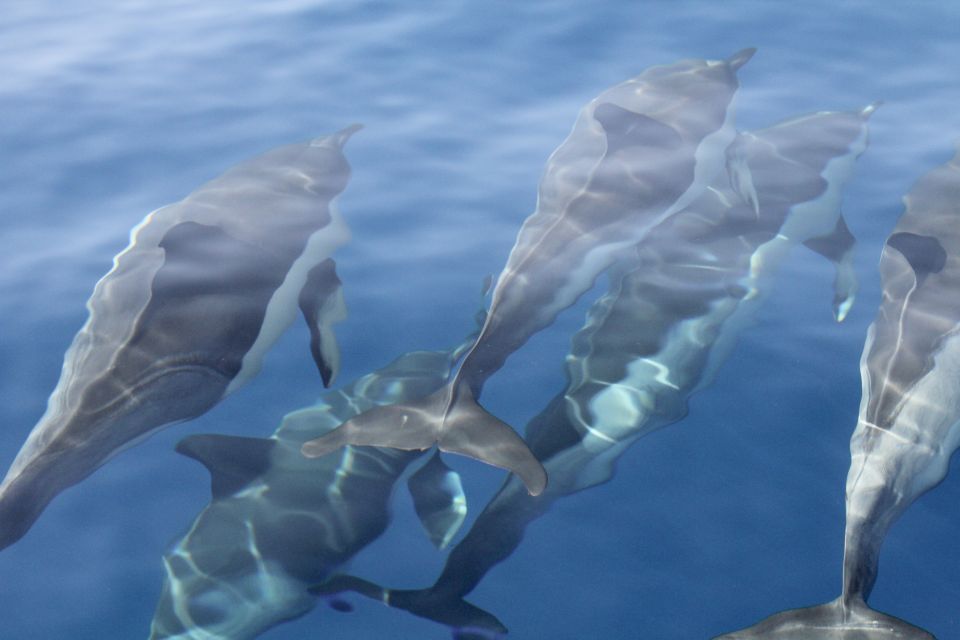
After the whale-and-dolphin part, the route shifts to the quiet beach stop. The boat sails to Diego Hernández Beach, also known as Hippie Beach, and then drops anchor.
Here’s why this stop is special: the beach is secluded, and it’s described as only accessible on foot or by boat. That likely means fewer crowds and a more peaceful waterline once you’re there. For you, that translates into more calm time in the sea, not just a quick photo moment.
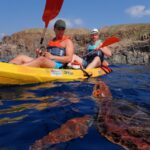

Swim or snorkel while lunch happens
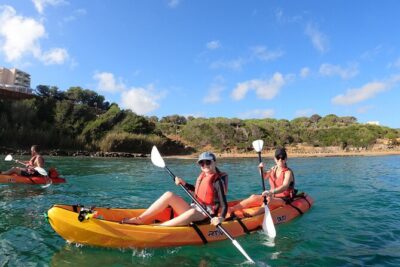
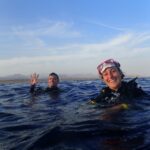
Once anchored, you can swim or snorkel in the clear water. The crew prepares lunch and drinks while you’re in the water. That’s a nice pacing choice: you get activity first, then food hits right when you’re hungry.
No touching wildlife is part of the rules, which is a good sign. It keeps the experience focused on observing rather than interfering. If you like nature photography, this is also the kind of place where you can get good shots without people constantly moving around.
What to keep in mind at the beach
The information you’re given is practical: bring swimwear, a towel, and sunscreen. If you forget basics like a towel, you’ll be stuck improvising later. Also, since you’re swimming at a beach reached by boat, plan for stairs or uneven transitions if the crew needs to get you safely into the water. The tour doesn’t spell out gear beyond standard swim items, so you’ll want to come prepared like you’re truly going to swim.
Canarian cuisine on the water: lunch that feels local
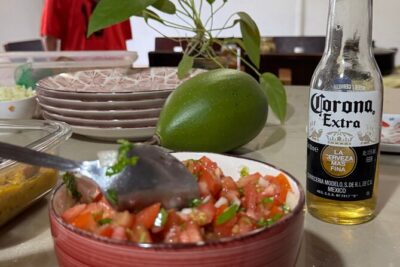
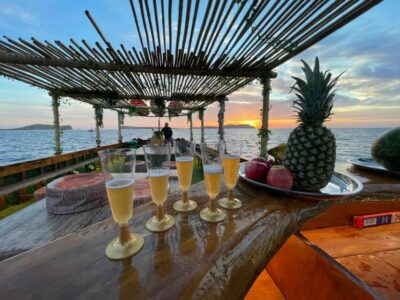
This tour includes lunch with Canarian cuisine, plus drinks and fruit. That matters for value because wildlife tours can turn into expensive snack hunts. Here, you get a full meal, not just a token bite.
In reviews, the food quality is praised, including a standout note about pastries being provided. Pastries aren’t listed in the formal inclusions, so treat that as a positive bonus you might see rather than a guaranteed menu item. The core promise is Canarian lunch, drinks, and fruit, and that’s enough to plan your day without worrying about finding food later.
Why lunch timing is a smart choice
Anchoring at Diego Hernández Beach, then eating while you’re cooling down after a swim, is a good rhythm. You’re not racing back immediately after wildlife viewing, and you’re not stuck waiting for hours for food. The day feels like a proper sea outing, not a checklist.
The 3–6 hour options: choosing the right amount of time
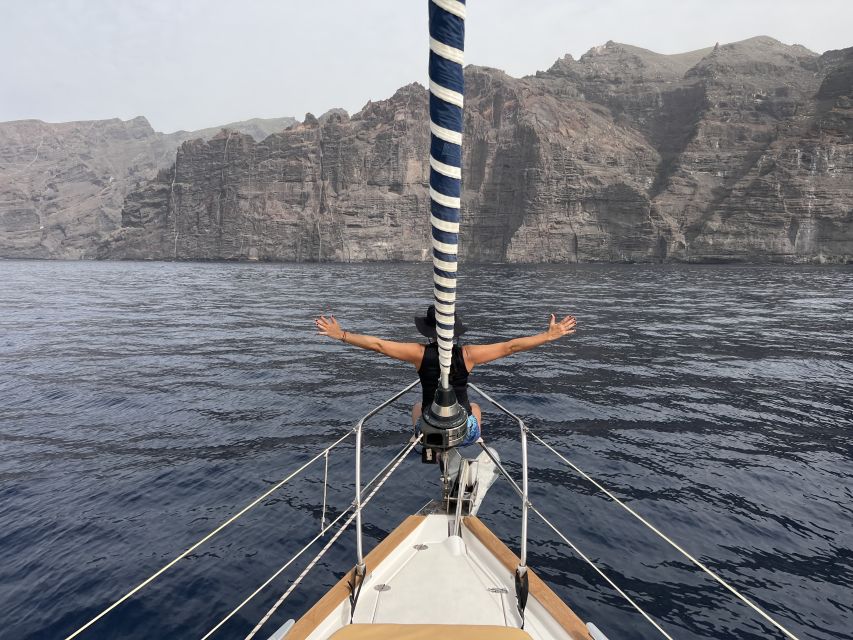
The tour runs from 3 to 6 hours depending on the option you book. If you’re trying to maximize your odds (and your time in the water), the 6-hour option is the one to consider.
The longer version includes extra time to enjoy Los Gigantes, plus more chances for dolphins and additional swim time. That means: more sailing time, more lookout time, and likely a more flexible pace once you’re anchored.
For you, the choice comes down to energy level and priorities:
- Choose shorter if you want a focused morning/afternoon plan and don’t need as much water time.
- Choose longer if you want Los Gigantes included and you care about having more time to swim and see dolphins.
Captain Daniel and the crew: how the best boat days get made
This is where the experience becomes more than sightseeing. In multiple reviews connected to this operator, Captain Daniel gets credit for going above and beyond to make people feel safe and included, while also sharing expertise about whales, dolphins, and sea turtles.
That captain role matters. On a wildlife boat, you want someone who can explain what you’re seeing in plain language, and who can also manage the group without chaos. When a captain pays attention to both safety and animal respect, your day usually feels smoother.
If you like learning, come with a few questions. The tour explicitly invites you to ask your captain questions about marine animals, and a knowledgeable host makes those questions actually useful instead of turning into generic answers.
Price and value: is $88 worth it?
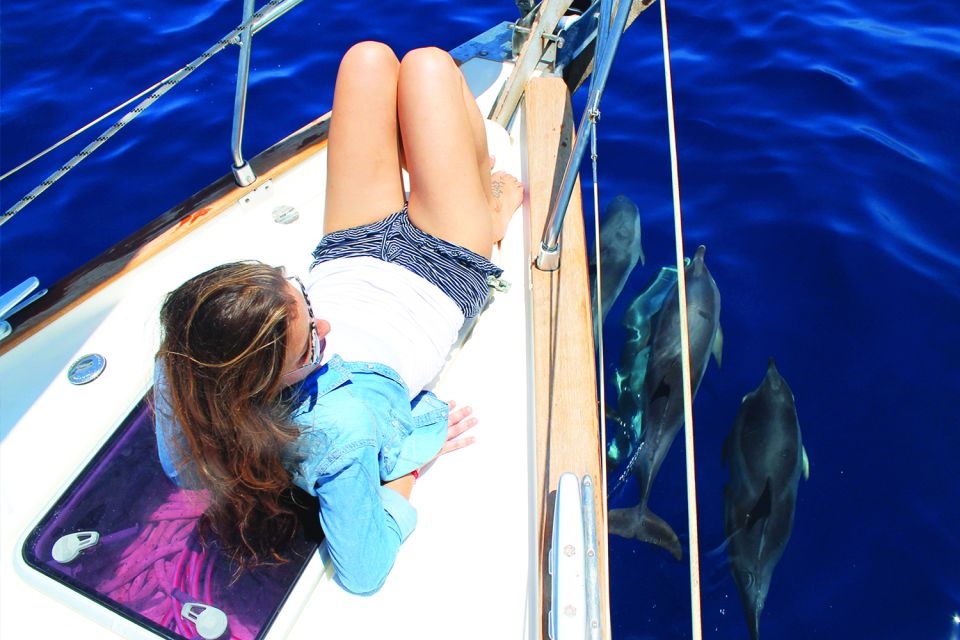
At $88 per person, you’re paying for four things happening together:
1) a boat cruise in a protected area,
2) whale-and-dolphin watching with hydrophone listening,
3) a real beach swim/snorkel stop, and
4) Canarian lunch with drinks plus fruit.
Wildlife-only tours in many places can quickly become expensive once you add on food or transport. Here, the lunch and drinks are included, which keeps the spending predictable. The small group cap (10 participants) also tilts value toward comfort: you get less crowd pressure and more guide attention.
You’ll still want to calibrate expectations. This is nature viewing, so what you see depends on the ocean and the animals that day. But the structure is strong: hydrophone time, a targeted conservation zone, and a beach segment that still delivers even if the wildlife portion is calm.
What to bring: sunscreen, towel, and the practical stuff
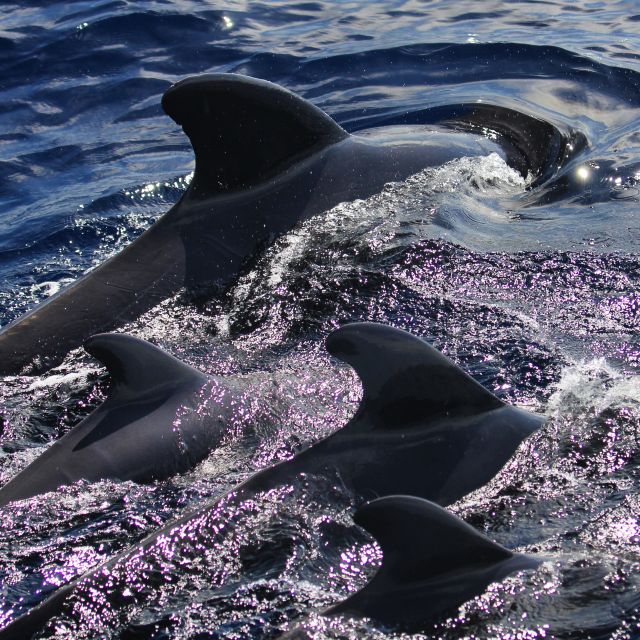
The tour gives a clear checklist for a reason. You’re on the water in the Canary sun, then in the sea, then eating lunch—so pack for sun and water.
Bring:
- Sunglasses
- Sun hat
- Swimwear
- Towel
- Sunscreen
Optional but smart: if you’re a snorkeler, consider whether you have your own mask, since the information only lists swim items. The tour doesn’t mention snorkel gear explicitly, so if you own equipment you like, you may want it.
Not allowed: touching animals
Touching animals isn’t allowed. That’s standard for responsible wildlife viewing, and it helps keep animals from being stressed. It also keeps the experience ethical and safer for everyone.
Seasickness prevention: a real plan if you’re sensitive
Because this is a boat trip, seasickness is a legit consideration. The tour provides specific advice if you think you may get motion-sick:
- Avoid excessive liquid intake the night before and the morning of the boat trip
- Have a solid breakfast but limit how much liquid you drink
- Avoid mixing drinks like orange juice, coffee with milk, tea, water, or high-water fruits
- About half an hour before boarding: adults may take two Biodraminas with caffeine, while children may take one Biodramina without caffeine
I’m not a doctor, but I like that the tour gives a concrete approach rather than vague warnings. If you’ve dealt with sea motion before, stick closely to this plan and consider bringing your own medication if that fits your routine and health guidance.
Who should book this sailing excursion
This tour is a strong match if you want:
- A small-group wildlife experience with real captain interaction
- Whale-and-dolphin viewing plus the chance to hear calls via hydrophone
- A sea swim and snorkel stop at a secluded beach
- Included lunch that’s Canarian, not an afterthought
It’s also a good fit for couples, small friend groups, and families who want a half-day with a mix of animals, water time, and a meal on board.
If you hate boats, get extremely motion-sick, or refuse to be in the open sun, then you may want to skip. But if you can handle a day on the water with smart prep, this is one of the more balanced ways to do marine wildlife in Tenerife.
Should you book Puerto Colón Whale & Dolphins Sailing?
Yes, I’d book it if you want a day with both wildlife and a proper beach break. The combination of targeted conservation-zone sailing, hydrophone listening, a secluded beach called Diego Hernández Beach, and an included Canarian lunch is good structure for your money.
I’d think twice only if seasickness is a hard issue for you and you don’t feel confident using prevention strategies. Also, if you’re expecting guaranteed whale sightings no matter the day, remember this is still nature viewing. The tour gives you the right setup to maximize your odds, but the ocean decides what it shows.
If you’re choosing between time options, pick the 6-hour route when you want extra water time and Los Gigantes included. Choose the shorter option when you want a lighter day and still want the hydrophone and main beach stop.
FAQ
How long is the Puerto Colón whale and dolphins sailing excursion?
It runs from 3 to 6 hours depending on the option you book. The longer option includes extra time for Los Gigantes and more time to swim and see dolphins.
How much does it cost?
The price is listed as $88 per person.
What animals can we look for on the cruise?
You’re set up to look for whales and dolphins, with potential sightings of pilot whales, loggerhead turtles, and fin whales.
Is hydrophone equipment included?
Yes. The tour includes listening to whales with hydrophone equipment while you sail.
Where do we swim or snorkel?
You stop at Diego Hernández Beach (Hippie Beach) and you can swim or snorkel from there while the crew prepares lunch and drinks.
What’s included for food and drinks?
Lunch includes Canarian cuisine, plus drinks and fruit.
What language is the live guide available in?
The live tour guide is listed as available in English and Spanish.
What should I bring, and what’s not allowed?
Bring sunglasses, sun hat, swimwear, a towel, and sunscreen. Touching animals is not allowed.
Is there cancellation and flexible booking?
You get free cancellation up to 24 hours in advance for a full refund, and you can reserve now and pay later.