REVIEW · MARTHA S VINEYARD
Martha’s Vineyard: All Island Tour
Book on GetYourGuide →Operated by HomeGrown Tours · Bookable on GetYourGuide
Martha’s Vineyard moves fast when you only have a few hours. This all-island bus tour adds multiple off-bus walks and storytelling from 4th- and 5th-generation islanders, so you come away with the lay of the land, not just a drive-by.
I like that you get both big-name sights and the lesser-told threads that make the island make sense, including the connection to American Sign Language and the view-heavy stop at the Aquinnah area. I also like how the narration is personal, like when guides such as Stan the Man or Deedee connect history to day-to-day island life.
One thing to consider: it is still a bus tour, so time can be tight at each stop. If you want lots of long beach time or deep museum-style studying, you may prefer adding extra hours after the tour.
In This Review
- Key things worth knowing before you go
- Why this 3-hour all-island format hits the sweet spot
- Oak Bluffs and Cottage City’s Methodist roots
- Vineyard Haven (Tisbury): ports, fires, and the hard years
- Stone walls, rolling hills, and western-side views that explain the island
- Aquinnah’s clay cliffs, the lighthouse stop, and the old-carved feeling
- Gingerbread Cottages in Wesleyan Grove: charm with history attached
- Indigenous story on the Vineyard: Wampanoag, Christianity, and Thomas Mayhew
- African American heritage and the Underground Railroad thread
- Jaws filming spots plus the Elizabeth Islands view
- Edgartown’s whaling village: mansions, maritime power, and time well spent
- Price and logistics: what $70 buys you, and how to avoid day-of stress
- Who should book this tour
- Should you book the Martha’s Vineyard All Island Tour?
- FAQ
- How long is the Martha’s Vineyard All Island Tour?
- Where do I meet in Oak Bluffs?
- Do I need a ticket to board the bus?
- Does the tour include Jaws filming locations and historical visuals?
- Will we get off the bus to explore?
- Is the tour wheelchair accessible?
- What is the cancellation policy?
Key things worth knowing before you go
- 4 step-off stops so you’re not stuck staring out the window the whole time
- Oak Bluffs to Edgartown in 3 hours, with the island’s main regions covered efficiently
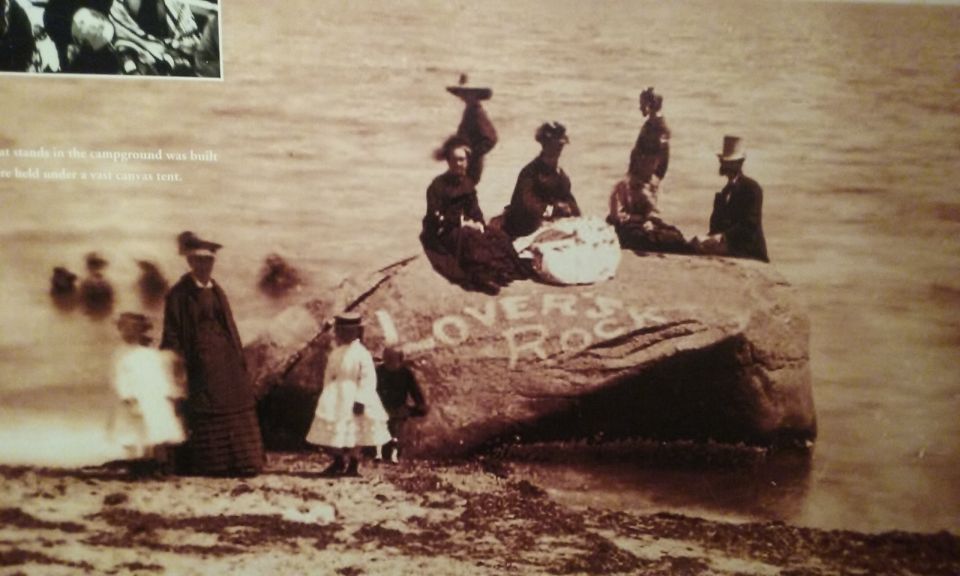
- History shown visually, using a screen with how sites looked in the 1800s
- Aquinnah clay cliffs plus viewpoints that make the geography click fast
- Underground Railroad and African American heritage are part of the core story, not an afterthought
- Jaws filming locations are built into the drive with movie clips and sound upgrades
Why this 3-hour all-island format hits the sweet spot
On Martha’s Vineyard, distances are real and traffic can change the day. What I like about this tour is that it’s built for orientation. You start in Oak Bluffs, then you move through Vineyard Haven, swing toward the western side with cliffs and vistas, and end up in Edgartown—so after 3 hours, you can actually plan the rest of your trip with confidence.
The other advantage is how the tour is paced. You’ll have a few opportunities to step off the bus and look around, instead of just rolling past viewpoints. In fall and low season this can feel especially good because you get less time lost to jams and more time enjoying the stops.
The most noticeable difference versus a basic narration-only ride is the added layers: a screen for what places looked like in the 1800s, plus movie tie-ins for Jaws. If you’re the type who likes to connect places to stories, that mix makes the whole route feel less random.
Oak Bluffs and Cottage City’s Methodist roots

Most Vineyard visitors arrive with a mental map that starts with beaches and boutiques. This tour starts you somewhere else: Oak Bluffs, once called Cottage City, where the Methodist camp meeting tradition is part of the island’s tourism story.
You’ll also get time to look at the rhythm of the town—how the area functions as a gateway—and that matters because it sets your baseline for the rest of the day. It’s easier to understand what you’re seeing later when you’ve already learned why Oak Bluffs became a hub in the first place.
If you’re into architecture and local culture, Oak Bluffs is an excellent warm-up. If you’re expecting a long walk through dozens of streets, keep your expectations realistic: this is about getting your bearings, then moving on.
Vineyard Haven (Tisbury): ports, fires, and the hard years
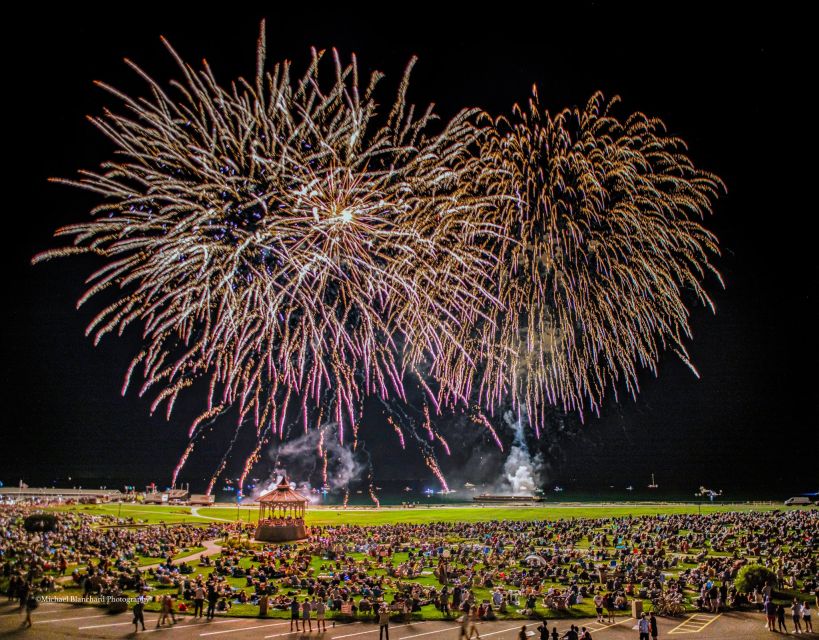
Next comes Vineyard Haven (also known as Tisbury), described here as the oldest port in the region’s history. The tour frames this stop around hardship: the island’s struggle after the 1888 fire and earlier conflict connected to General Grey in 1778.
This is one of those sections where bus tours can either feel flat or feel meaningful. Here, the storytelling is meant to do the work of connecting geography and survival. You’re not just learning dates—you’re learning what those dates meant for daily life on an island where resources and transport never were simple.
One practical tip for this portion: expect more talking than staring. If you drift into phone mode, you’ll miss the context that helps the next stops land.
Stone walls, rolling hills, and western-side views that explain the island
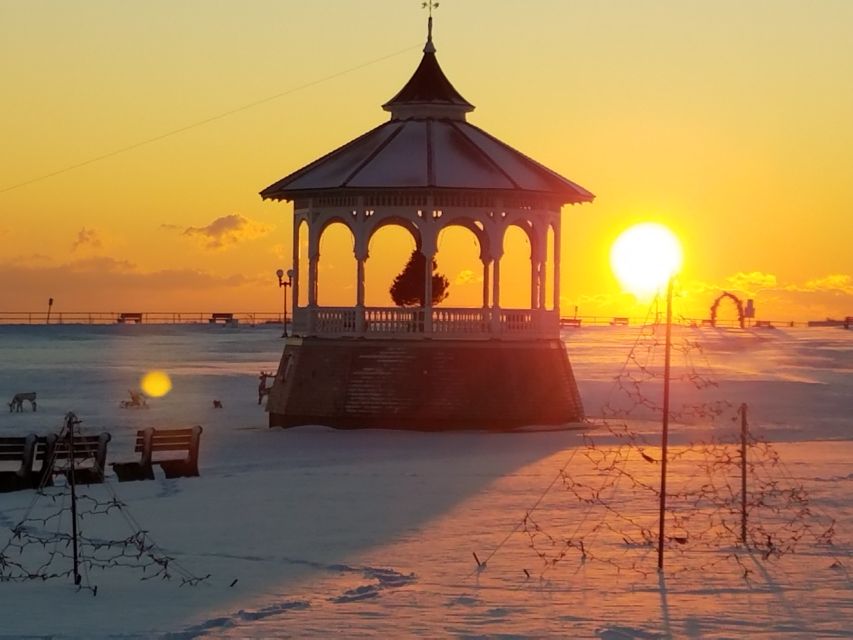
When the route turns toward the west, you’ll start seeing why Vineyard’s “small” towns still feel separate. The tour highlights rolling hills and ancient stone walls, which are visual anchors—proof that people shaped this land long before modern roads made it feel convenient.
This is also where you begin to notice how the island’s terrain controls everything: sightlines, settlement patterns, and even the way storms and coastlines change what’s possible.
If you’re someone who likes photography, this part of the drive is where you’ll understand what to shoot and from where. The scenic moments matter more after you’ve heard what the landscape represents.
Aquinnah’s clay cliffs, the lighthouse stop, and the old-carved feeling
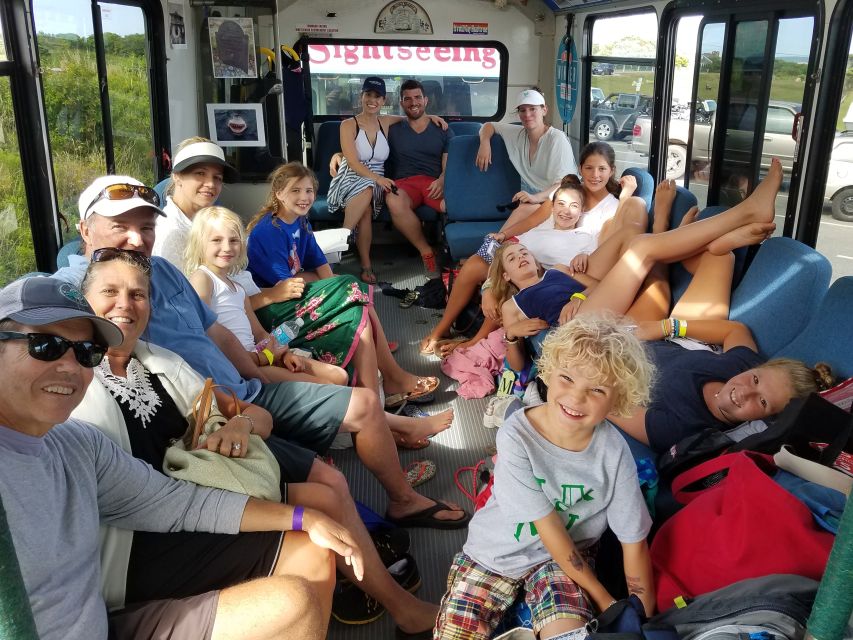
The Aquinnah area brings the island’s geology into focus. You’ll hear about clay cliffs said to hold treasures from long ago, and you’ll also get viewpoint time that multiple guides have been praised for turning into real moments—not just a quick look and go.
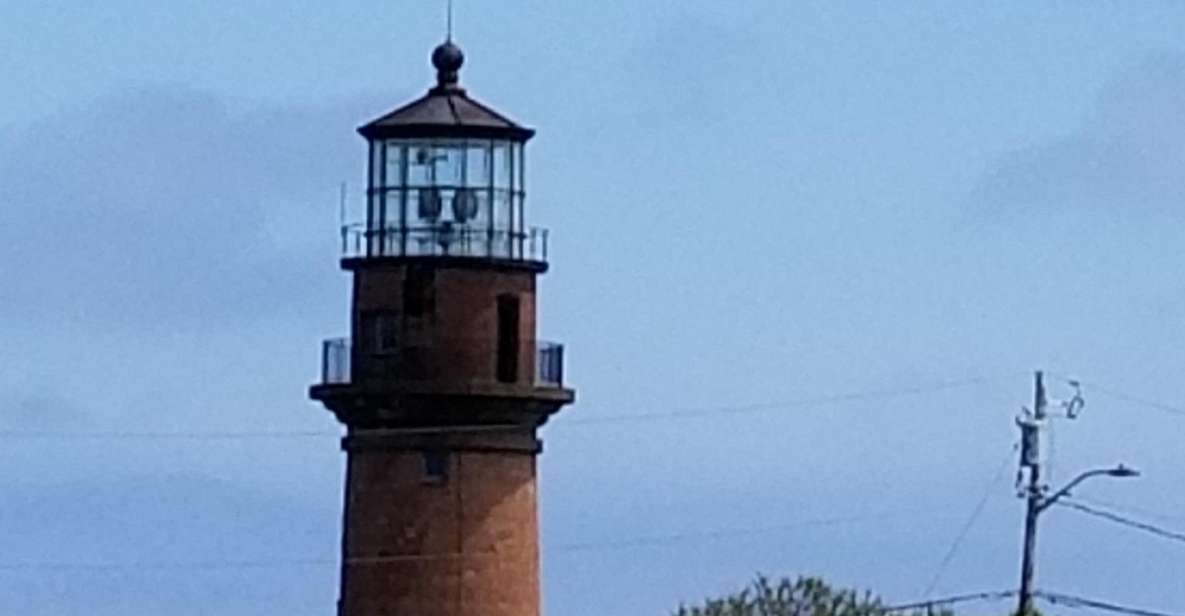
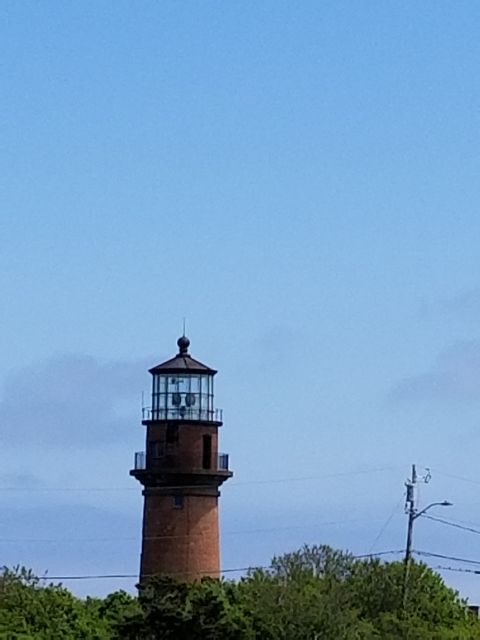
In at least one recent experience, the lighthouse in Aquinnah was described as breathtaking, with enough time to explore. That matters because Aquinnah can look dramatic even from a distance, but you get more out of it when you’re allowed to slow down.
If the weather is rough, this is still worth it because your guide can help you read what you’re seeing. One guide worked through awful weather and still kept the mood fun, so you’re not left feeling like the day is ruined by clouds.
Gingerbread Cottages in Wesleyan Grove: charm with history attached

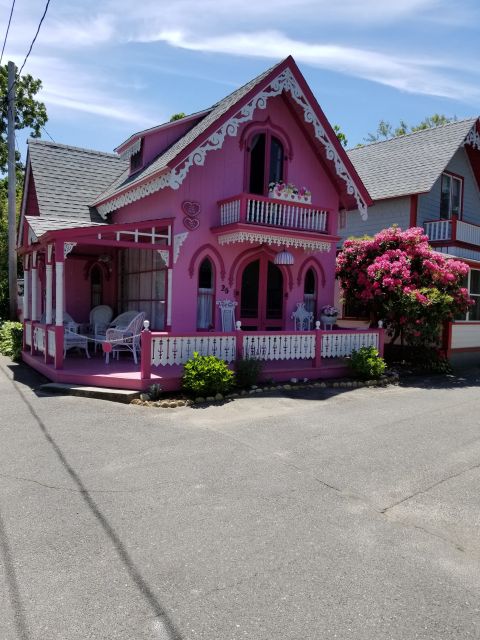
Next, you’ll head to the Wesleyan Grove Campgrounds, including time around the famous Gingerbread Cottages. The tour connects these cottages to the area’s camp meeting roots, dating the tradition back to 1835.
Here’s what makes this stop useful: it’s not just cute houses. It’s a physical reminder that Vineyard tourism wasn’t invented recently. People came for religion, community, and escape, then stayed for the same reasons—just in different clothing and with different marketing.
If you’re a fan of well-known island aesthetics, you’ll enjoy this. If you’re traveling with someone who only wants beaches, this stop might still convert them once they understand how the cottages fit into the island’s identity.
Indigenous story on the Vineyard: Wampanoag, Christianity, and Thomas Mayhew
A strong point of this tour is that it includes Indigenous history in a direct way. You’ll hear about the Wampanoag and how Thomas Mayhew converted Native Americans to Christianity, as part of the broader story of change on the island.
I like this approach because it avoids making Indigenous history feel like a side note. It gets presented alongside other major historical forces that shaped Vineyard life.
This section can also be emotionally heavier than some of the stops, so give yourself space to take it in. The tour’s pace is still quick, but the narration helps you keep track of the bigger picture.
African American heritage and the Underground Railroad thread
One of the most important elements on this route is African American heritage tied to escaped slaves and the island’s connections to the Underground Railroad.
This is the kind of story that becomes more real when it’s spoken in context of specific places. The tour’s value here is that it doesn’t leave you with one fact. It tries to show how the island’s geography and community networks could matter for freedom-seeking people.
If you want your Vineyard trip to feel honest, not just scenic, this is the portion you’ll remember.
Jaws filming spots plus the Elizabeth Islands view
This tour leans into pop-culture for good reason: it helps visitors see the island through another lens. You’ll see many places where Jaws was filmed, and the tour notes that this year gets extra attention tied to the movie’s 50th celebration. You’ll also use the onboard sound system, with clips played to enhance the experience.
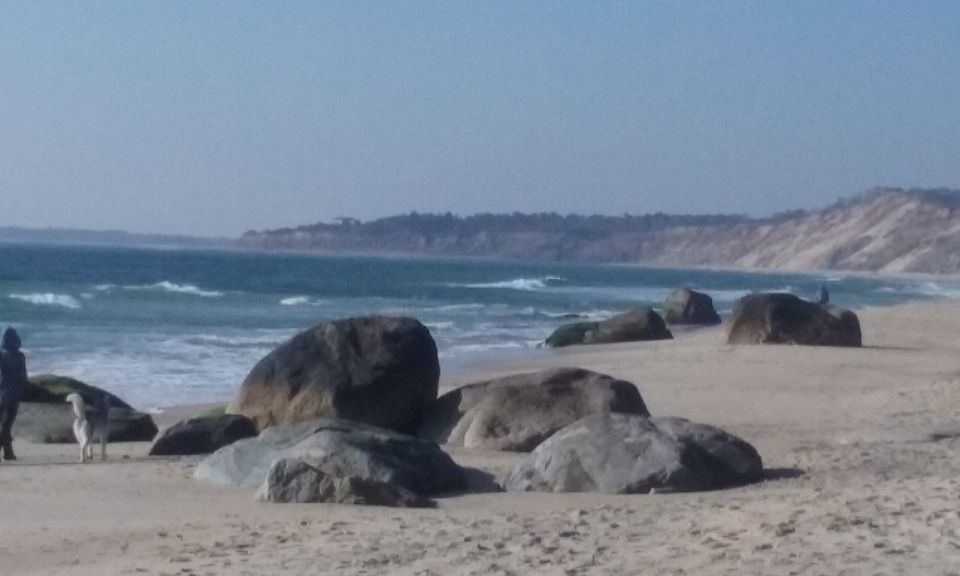
The route also swings past the south shore and “two sounds” mentioned in the tour overview, then includes a view of a chain of islands called the Elizabeth Islands. That combination works well because you go from a movie story (recognizable for many people) to a real geographic story (which gives the movie locations meaning).
A small caution: if your main goal is to photograph Jaws-specific spots, you might want to arrive ready to work within the time you get at each stop. The tour gives photo opportunities, but it’s still structured around a 3-hour arc.
Edgartown’s whaling village: mansions, maritime power, and time well spent
In the final stretch, the tour goes to Edgartown, described as a whaling village. You’ll see exquisite mansions of past whaling captains, which visually show how much influence whaling once gave some island families.
This stop is where a lot of visitors finally connect the dots between what they’ve heard earlier—ports, hardship, and community change—and why certain neighborhoods look the way they do.
If you’re interested in maritime history, this part can feel especially rewarding. If you’re not, it’s still worth it because the architecture and setting help you understand why Edgartown has always had a different vibe than Oak Bluffs.
Price and logistics: what $70 buys you, and how to avoid day-of stress
At $70 per person for about 3 hours, the question is value: are you just paying for a ride, or for an experience?
Here’s what you’re actually paying for based on how this tour is run:
- Ferry pickup and drop-off, which reduces the “how do we get there?” headache
- Air-conditioned vehicles and a modern onboard setup, including a screen for historical visuals
- Multiple step-off moments (the tour emphasizes it has more stops than other options)
- Narration from island families, including guides praised as “Stan the Man” and Deedee-style storytellers
If your goal is to see a lot without spending the whole day driving and figuring out parking, it can be a good fit. If you already plan to rent a car and drive every coast road slowly, this may feel like less of a bargain. For first-time visitors, though, it’s a way to buy time and clarity.
Logistics tip that will save you frustration: the meeting point is 1 Seaview Ave, Oak Bluffs, across from the Oak Bluffs Steamship Authority ticket office, parked alongside the police station under the big American Flag. The tour vehicle is a small shuttle with HomeGrown Tours on the side of the bus. Have your ticket ready to be scanned, and if your phone or printout fails, you can call for help.
Also remember: if you’re coming from Woods Hole and parking, the tour notes you cannot park in the Woodshole Parking Lot for the steamship authority. The instruction says you must park in Falmouth at the Palmer Ave Parking Lot, with a shuttle to/from the ferry.
Who should book this tour
This works best if you:
- Want orientation fast and a route that covers multiple regions in a short time
- Like stories from local guides, especially those with family ties to the island (guides like Stan and Deedee are often singled out)
- Care about more than scenery, including Indigenous history, African American heritage, and the underground railroad connection
- Are a Jaws fan who wants to see filming locations with audio and clips
It may not be ideal if you:
- Want long independent exploration at each location
- Travel with very young kids, since the tour data says it’s not suitable for children under 5
Should you book the Martha’s Vineyard All Island Tour?
I’d book it if you’re on Martha’s Vineyard for the first time and you want a strong overview without guessing where to go. The combo of off-bus stops, local storytelling, a screen showing how places looked in the 1800s, and built-in Jaws context turns a short day into something you can build on.
If you’re the type who hates schedules and needs lots of breathing room, you may want to treat this as your “get my bearings” day, then follow it with a slower return to your favorite stop.
FAQ
How long is the Martha’s Vineyard All Island Tour?
It runs for 3 hours.
Where do I meet in Oak Bluffs?
Meet at 1 Seaview Ave, Oak Bluffs, MA 02557, across from the Oak Bluffs Steamship Authority ticket office, parked alongside the police station under the big American Flag.
Do I need a ticket to board the bus?
Yes. The tour information says you will need a ticket to board and it must be scanned.
Does the tour include Jaws filming locations and historical visuals?
Yes. You’ll see many Jaws filming locations, and the bus uses a screen to show what certain sites looked like in the 1800s, with added movie clips and a sound system.
Will we get off the bus to explore?
Yes. The tour description emphasizes 4 step off stops where you can explore.
Is the tour wheelchair accessible?
The information states they are the only wheelchair accessible tour company on the Vineyard.
What is the cancellation policy?
The tour notes free cancellation with a full refund if you cancel up to 24 hours in advance.