REVIEW · MADEIRA
Madeira Botanical Levels Bike Tour – Scenic Trail Experience
Book on GetYourGuide →Operated by Lokoloko Madeira · Bookable on GetYourGuide
Poiso to the sea on two wheels. This 4.5-hour Madeira ride is all about control and choice, with a full-suspension bike (a Transition Sentinel Alloy GX) that helps you stay composed on roots, rocks, and rougher trail bits.
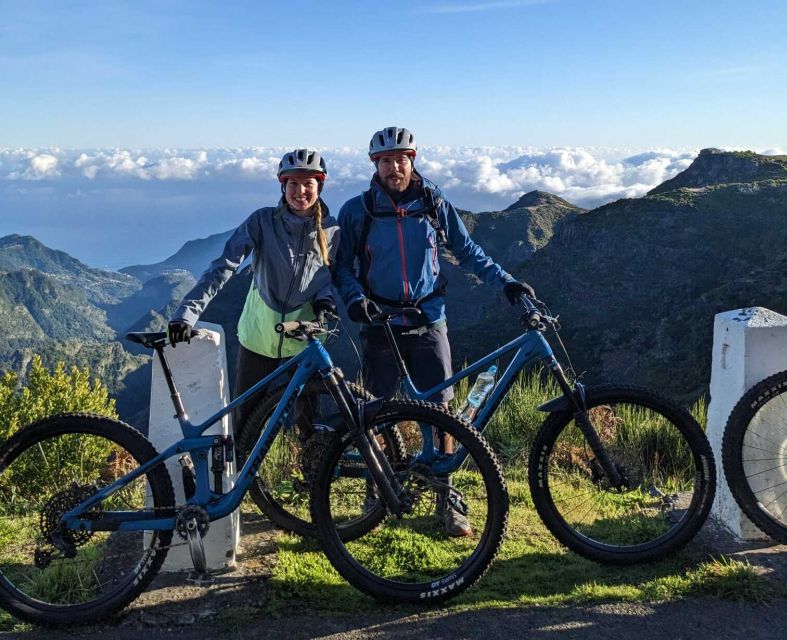
I also like the human touch: your guide takes photos and you get them free of charge. The main thing to think about is the finale—there’s a last stretch that asks for precise braking, so even if the route is tailored, you’ll want at least basic mountain-bike comfort.
In This Review
- Key Highlights That Matter on the Trail
- Poiso to the Levada: The Big Idea Behind This Ride
- Starting at Poiso: A Gentle Setup and Your First Route Choice
- Levada Riding at 850 Meters: Forest Smells, Berry Stops, and Real Variety
- Camacha Levada Color: Where the Route Becomes More Than Just a Descent
- The Last 10 Kilometers to Lokoloko: Why Braking Is the Real Skill
- Bikes, Gear, and Guide Coaching That Actually Changes Your Ride
- Pricing: Is $94 Worth It for a 4.5-Hour Downhill Day?
- Who This Tour Suits Best (And Who Should Consider a Different Option)
- Should You Book the Madeira Botanical Levels Bike Tour?
- FAQ
- Where does the tour start?
- How long is the Madeira Botanical Levels Bike Tour?
- What kind of trails will I ride?
- Is the tour difficult?
- What bike and safety gear are included?
- Are food and drinks included?
- How many people are in the group?
- Do you get photos from the guides?
Key Highlights That Matter on the Trail
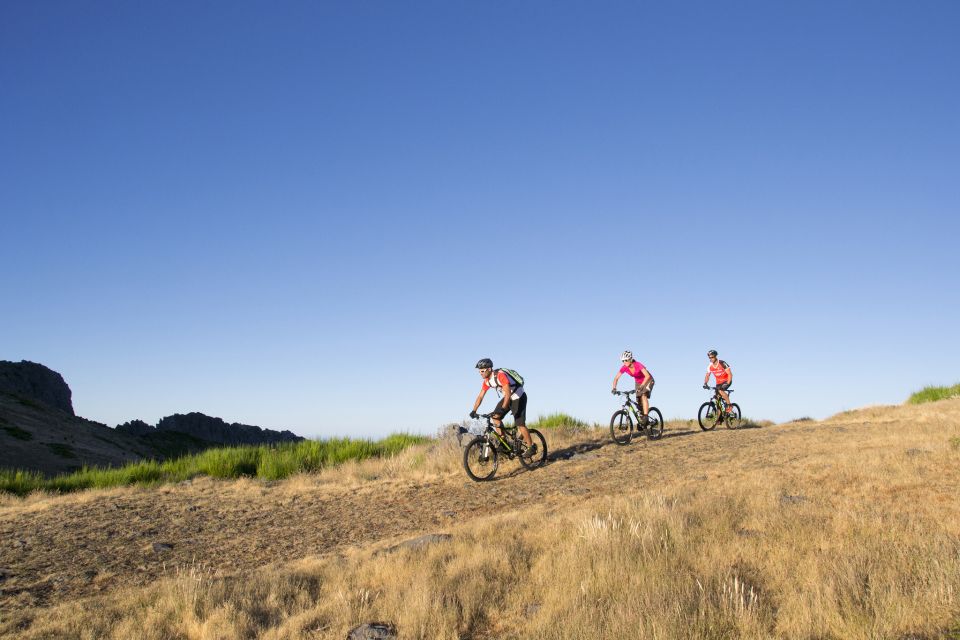
- Poiso start at 1,400 meters: a gentle setup climb, then you’re mostly rolling downhill.
- Skill-based ride options: your guide checks your ability, then points you to easier paths or more technical single-track.
- Levada riding from about 850 meters: roughly 25K of trail-following along Madeira’s iconic water channels.
- Forest-to-coast feel in one outing: laurel, eucalyptus, and pine forests, with berry-picking when conditions allow.
- Photo support included: your guide captures the fun moments and shares them with you for free.
Poiso to the Levada: The Big Idea Behind This Ride
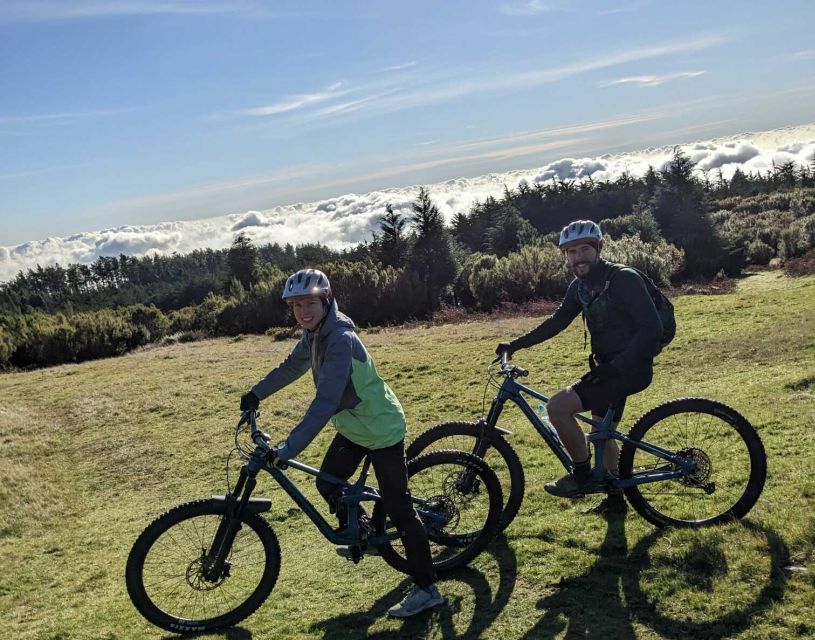
This tour is built around one simple Madeira fact: the island changes fast with altitude. You start high, then you move down through forests and farmland toward the coast, without needing to hike or think about logistics. The format makes it relaxed, even when the trail gets a little technical.
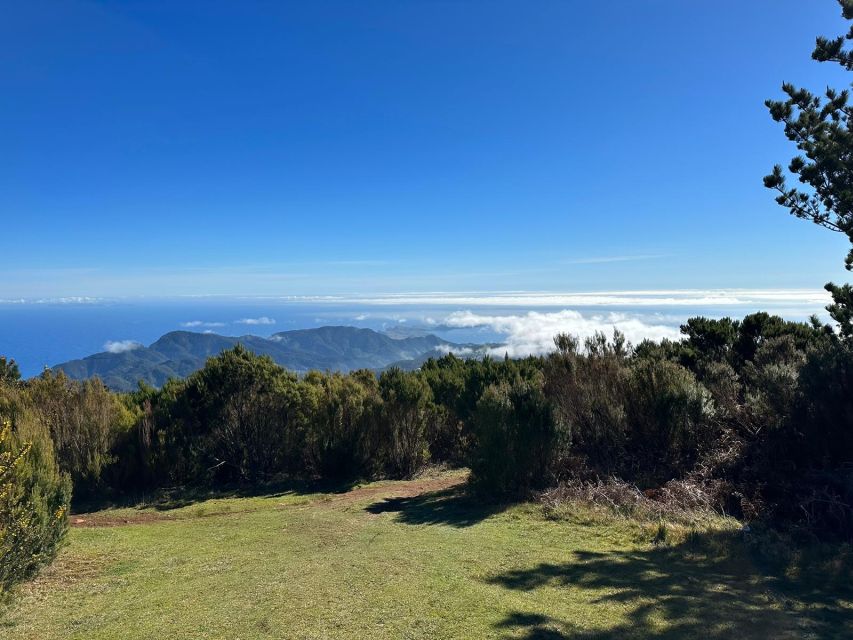
You’ll begin at Poiso (about 1,400 meters above sea level). From there, you do a gentle ascent first—not a training session, more like your body getting the right rhythm. After that warm-up, you move to a cruising altitude around 850 meters, where the real enjoyment starts: riding and looking around at the same time.
What really sets this experience apart is how flexible it is. Your guide assesses your skills and then gives you two different “how you ride” paths: you can choose an easier single-track route through the forest, or you can follow roads and gravel paths to the levada (the traditional water channels). That choice matters if you want the scenery more than the technical challenge, or if you want the opposite.
And yes—this is a mostly downhill day. A review noted that it felt like downhill for the whole run, which matches the overall design: you’re gaining confidence on the descent while not burning all your energy before you hit the best parts.
You can also read our reviews of more tours and experiences in Madeira.

Starting at Poiso: A Gentle Setup and Your First Route Choice
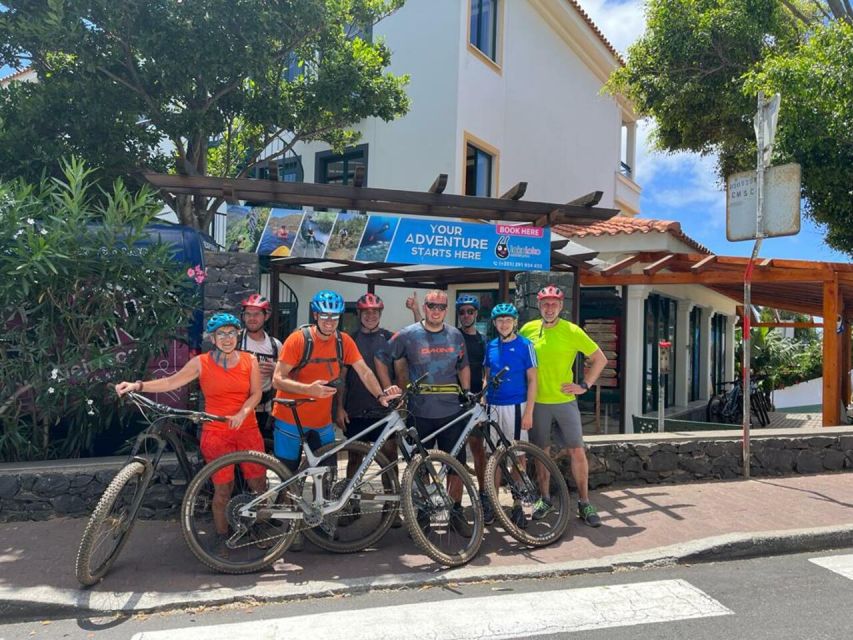
Meet at Poiso and expect a calm start. You’re high up, so the air can feel cooler, especially if the weather is shifting. The good news: the early climb is gentle, which helps if you’re coming from road riding and want time to adjust to brakes and shifting on a mountain bike.
Then your guide does a skills check. You’re not just handed a bike and sent off. You’ll talk about your comfort level, and you’ll get routed toward one of two styles:
- Easier forest single-track: narrower trail, but geared toward riders who want more flow and less technical stress.
- Road and gravel to the Levada: you still ride the island, but you’re on more stable ground on the way to the water-channel track.
This is a smart way to run a small-group tour. With up to 8 participants, your guide can actually manage pacing and adjust decisions in real time. In past groups, guides including Bernardo and Jimmy were praised for knowing the area and adapting on the spot, which is exactly what you want when trails can feel different depending on rain and mud.
Practical tip: if you’re unsure, pick the option that gives you the best chance to enjoy the views. On a downhill day, confidence grows fast once you stop fighting your bike.
Levada Riding at 850 Meters: Forest Smells, Berry Stops, and Real Variety
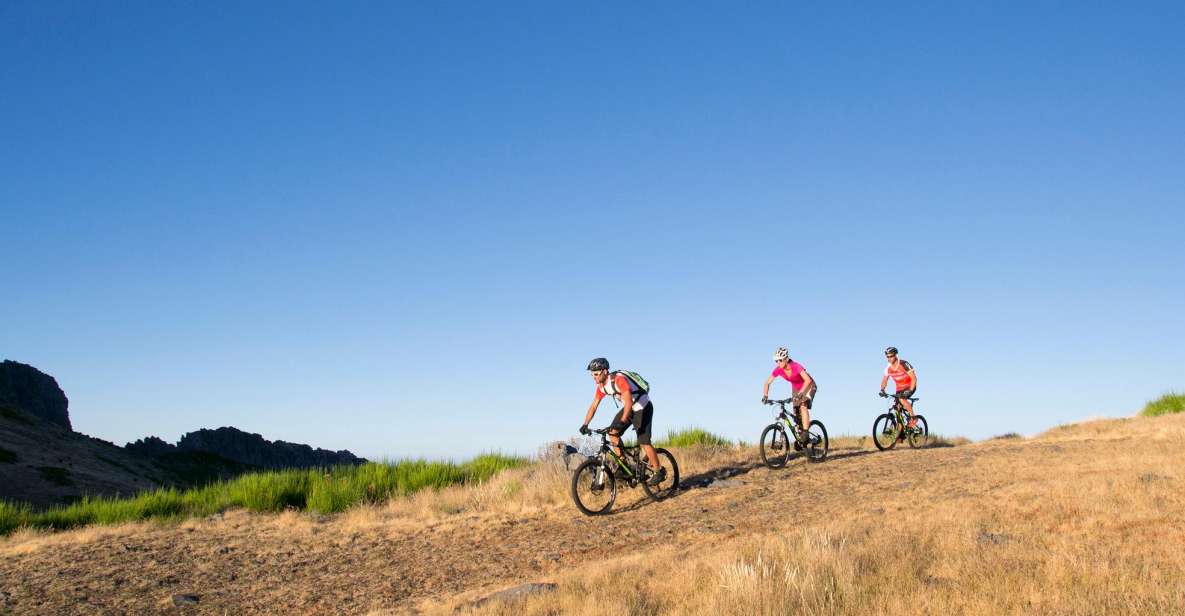
Once you get onto the levada system, you settle into one of the best rhythms mountain biking in Madeira can offer: steady riding with frequent changes in scenery. The route is described as following the levada for about 25 kilometers, at roughly 850 meters in altitude.
The trail environment is part of the point. You’ll roll through laurel, eucalyptus, and pine forests. The vegetation isn’t just pretty—it affects traction, too. Forest sections often mean more shade and dampness, especially if clouds roll in or there’s recent rain. That’s why the tour’s daily approach matters.
Madeira runs on microclimates. Conditions at one altitude can be totally different than a few bends away. This tour tailors itself to the day’s weather to minimize time in rain, wind, or cold, so you aren’t just hoping for the best.
On top of that, you might get the small joys that turn a ride into a memory: the route includes time when blackberries, raspberries, and blueberries can be picked. It’s not a guaranteed grocery trip, but it’s a genuinely “Madeira” detail—this island is famous for what grows everywhere, often right beside paths.
If you’re the type who gets bored by straight-ahead riding, the levada sections are your antidote. You’ll see different plant types, light shifts through branches, and occasional openings where the island’s shapes start to show up again.
One more note: food and drinks aren’t included, but there’s a small break with a refreshing drink. Bring snack energy if you think you’ll want it later, because this is a 4.5-hour outing and you’ll likely work enough to feel it.
Camacha Levada Color: Where the Route Becomes More Than Just a Descent
After the first levada run, you follow the levada through Camacha, a colorful segment that helps the day feel like an actual journey instead of one long single mood.
This matters because levada routes can vary a lot. Some stretches feel narrow and focused; other parts feel more “open and rideable.” Camacha adds variety in how the route looks and feels, which is a big reason the day doesn’t become monotonous.
You’ll also notice how the bike choice makes a difference here. Full suspension helps you maintain traction and control when the surface changes. Tree roots, gravel edges, and uneven levada-adjacent ground are exactly the kind of things that can make a rigid bike tiring.
And because your guide is working with a small group, pacing stays humane. You’re not racing the others or getting left behind; you’re learning where you feel comfortable braking and how to carry speed into rougher sections.
If you’re worried about technical riding because you’ve only done road or smooth trails, focus on this: you can often make the day fit you. Choose the easier route option at the start, then let confidence build. The guide’s job is to keep you safe without removing the fun.
The Last 10 Kilometers to Lokoloko: Why Braking Is the Real Skill
The finale is where this tour earns its reputation: after levada riding, you tackle the last exciting 10 kilometers down to the Lokoloko Shop, on paved roads.
That sounds simple on paper—roads are easier than single-track, right? The catch is speed and control. A review-style warning shows up in real mountain biking terms: you’ll need precise braking to stay safe and comfortable. Paved downhill can feel deceptively fast, especially if you’ve spent hours with different traction and then suddenly get smooth pavement.
So treat this part like a skill zone, not a victory lap. Stay balanced over the bike, use steady braking rather than last-second panic stops, and keep your eyes scanning ahead. If you’ve never done long downhill braking, this is the moment you’ll be glad you came with a guide.
Also, remember the tour’s focus on minimizing risky weather. If the day is damp, brakes and tires matter even more on pavement. Your guide will judge the conditions and likely influence how aggressively you push.
At the end, you finish at Lokoloko Shop, which makes it easy to wrap your day without feeling like you’re guessing where you’ll end up.


Bikes, Gear, and Guide Coaching That Actually Changes Your Ride
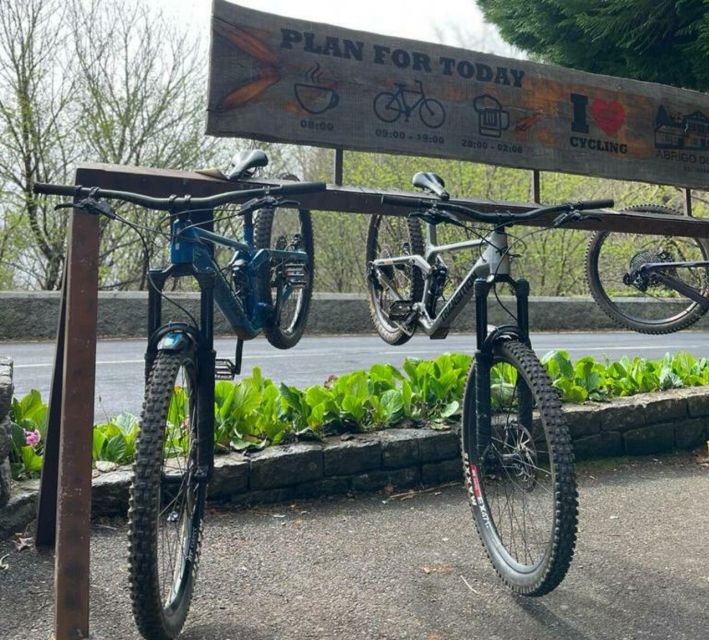
You don’t just get any rental bike. You get a Transition Sentinel Alloy GX full-suspension bike in common sizes, with the bikes maintained and replaced as needed. That’s important because the difference between a good day and a sore day is often simple: the bike feels predictable.
You’ll also have standard safety gear included: helmets, protectors, and gloves. You can use SPDs if you want them—SPD paddles are optional and included in the standard program. If you’d rather ride with more protection, you can rent a full-face helmet for a small fee upon request.
One small-but-crucial detail: your guide adapts the plan based on your skill and fitness level. In past experiences on this tour, guides such as Sergio and Serge were praised for adjusting technique and pushing riders when appropriate, while also knowing when to steer them to wider tracks if something feels too gnarly.
What that means for you: you’re learning. Even if you don’t choose the most technical option, you’ll still pick up how to handle speed, braking, and rough ground without turning it into a stress test.
Pricing: Is $94 Worth It for a 4.5-Hour Downhill Day?
At $94 per person for about 4.5 hours, this isn’t a bargain tour, but it’s also not an overhyped luxury one. The value comes from what’s included:
- A maintained full-suspension mountain bike
- A certified guide who adjusts the route
- Insurance
- A shuttle to reduce hassle
- Core protective gear (and optional SPD setup)
- Free photo sharing from your guide
When you price it like that, the cost starts to make sense. You’re paying for a day that would be harder to DIY: finding levada-friendly trails, getting the right bike set up, and trusting someone who knows how Madeira trails behave when microclimates shift.
The only obvious gap is food and drinks (not included, aside from a small refreshment break). If you’re the type who needs a proper snack, plan for it so you don’t end up hangry at 1,000 meters.
Overall, I’d call this good value if you want a guided downhill day that balances scenery with real riding.
Who This Tour Suits Best (And Who Should Consider a Different Option)
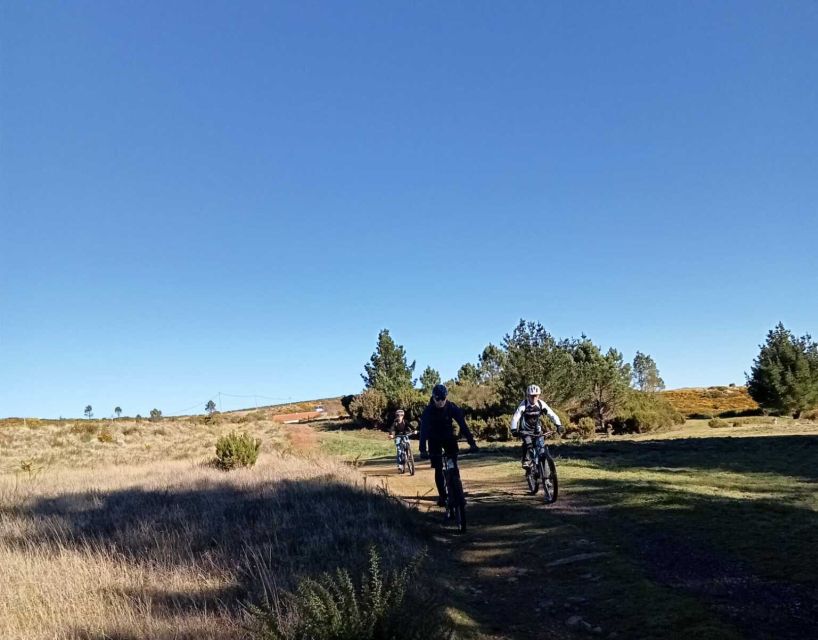
This tour is a strong fit if you want Madeira views without turning your trip into a full training plan. It’s also a good match if you like variety: forest single-track moments, levada riding, and then a paved downhill finish.
It’s also ideal for mixed-skill groups because the guide can split directions and adjust difficulty. That’s why reviews repeatedly highlight that everyone can enjoy the ride, not just the strongest bikers.
Where you need to be honest with yourself is the more technical side. One note in past feedback emphasized that the trails aren’t a beginner playground when you choose narrow, bushy paths with gravel and roots near drop-offs. The guide can redirect you, but your comfort level still matters.
If you have:
- basic mountain bike control (braking, cornering, staying calm on rough ground)
- a willingness to ride downhill with focus
you’ll likely enjoy this a lot.
If you’re brand-new to off-road bikes, start with the easier option and expect to learn quickly, not “race” the trail.
Should You Book the Madeira Botanical Levels Bike Tour?
Book it if you want a guided downhill day that combines levada scenery, forest riding, and an ending that forces you to practice real braking control—without needing to plan routes or source proper bikes.
Skip it (or choose a less technical option if offered) if long downhills make you tense, you’ve never ridden off-road, or you know you’ll stress over narrow trail sections.
My practical suggestion: wear grippy shoes, bring a windbreaker even if the day starts sunny, and go into it as a learn-and-enjoy ride. The best part of this tour is that it adapts. You’ll get the right amount of challenge, and you’ll come home with photos and a very Madeira way of seeing the island.
FAQ
Where does the tour start?
The ride starts at Poiso, about 1,400 meters above sea level.
How long is the Madeira Botanical Levels Bike Tour?
It runs for about 4.5 hours.
What kind of trails will I ride?
You can expect a mix of forest single-track (if you choose that option) and roads and gravel paths to reach the levada, then riding along the levada route. The day finishes with a downhill run on paved roads.
Is the tour difficult?
Difficulty can vary based on your skill and daily conditions. Your guide assesses your ability before routing you to an easier line or a more technical single-track option.
What bike and safety gear are included?
You get a Transition Sentinel Alloy GX full-suspension bike. Included safety gear is helmets, protectors, and gloves. SPD paddles are optional, and a full-face helmet can be rented for a small fee on request.
Are food and drinks included?
Food and drinks are not included, but there is a small break with a refreshing drink.
How many people are in the group?
It’s a small group limited to 8 participants.
Do you get photos from the guides?
Yes. Your guides will take photos, and you receive them free of charge.