REVIEW · CHANIA
From Chania: Crete World War II History Tour
Book on GetYourGuide →Operated by GS tours · Bookable on GetYourGuide
WWII on Crete hits close to home. This Battle of Crete tour strings together the events leading to Operation Mercury, with stops tied to the paratroopers at Maleme, fighting sites like Tavronitis and Galatas, and the often-overlooked stories of resistance and partisans. I especially like how the guide brings places to life and how the day ends at German and Allied war cemeteries that are thoughtfully kept.
You’ll also appreciate the structure: the story isn’t just dates on a page. It’s told through viewpoints, small museums, and even secret-shelter-style remnants, so you can get your bearings fast. The only real drawback to plan around is time: it’s a long 6-hour outing with limited comfort breaks, so you’ll want to manage water and timing with that in mind.
In This Review
- Key Highlights You’ll Notice Fast
- Crete’s WWII story starts with the 1940 lead-up, not May 1941
- Maleme: the landing area you can actually picture
- Tavronitis Bridge: the kind of landmark that explains strategy
- Galatas: learning the battle through remnants, not textbooks
- Small museums and secret shelters: the “behind the scenes” layer
- War cemeteries for German and Allied forces: where the day turns emotional
- How the guides (like Yanis and Babis) shape your understanding
- The 6-hour minivan day: what to pack and how to pace yourself
- Value check: is $111 worth it for Crete WWII history?
- Who should book, and who should think twice
- Should you book the Chania WWII history tour?
- FAQ
- How long is the WWII history tour from Chania?
- Where does the tour pick up from?
- What languages are available on the tour?
- What main WWII sites does the tour include?
- Is food or drink included during the tour?
- What should I bring, and are pets allowed?
Key Highlights You’ll Notice Fast
- Maleme airfield views: see the landing area from above and connect it to the first German paratrooper touchdown zone
- Tavronitis Bridge and Galatas: learn what happened there and why those spots mattered in the fight
- Small museums and secret shelters: stop at quieter, more personal WWII reminders than the big monuments
- War cemeteries for both sides: visit German and Allied burial grounds with careful, respectful context
- Guide storytelling backed by maps: you’ll get a clear, chronological picture using supporting maps and documents
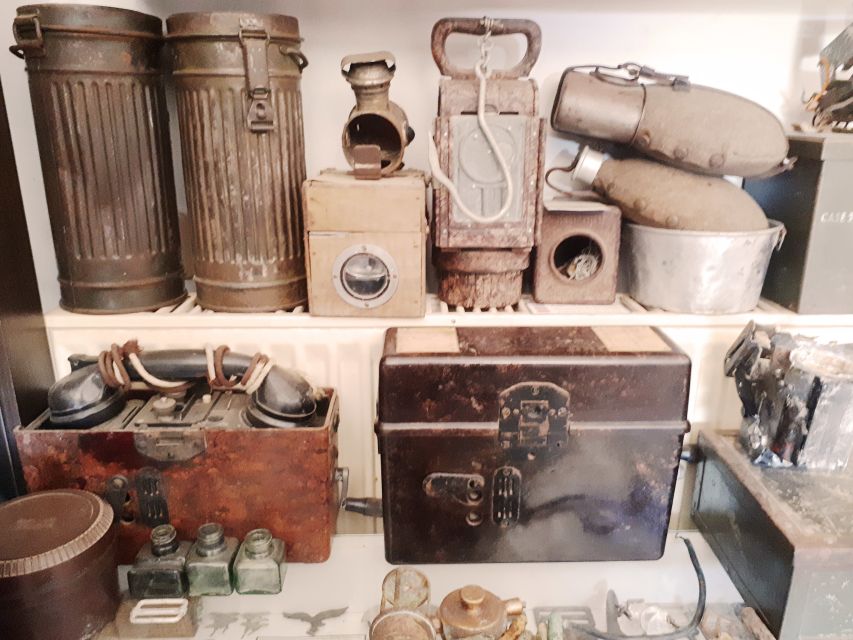
- Optional stop that feels personal: many groups also visit a private WWII collection with artifacts tied to local finds
Crete’s WWII story starts with the 1940 lead-up, not May 1941
Most WWII tours jump straight to the battle. This one does something better for your understanding. You start with the background of the Greek-Italian War of 1940, and then you connect the dots to why Hitler launched Operation Mercury against Crete. That matters because Crete wasn’t an isolated tragedy. It sat inside a broader campaign across southeast Europe and Greece, and the tour helps you see that chain.
You also get context for why this fight mattered beyond the island. The resistance to the invasion and the way the battle unfolded helped revive Allied morale around the world. In other words, you’re not just walking through ruins. You’re seeing how Crete became a turning-point story that traveled far beyond the shoreline.
Maleme: the landing area you can actually picture
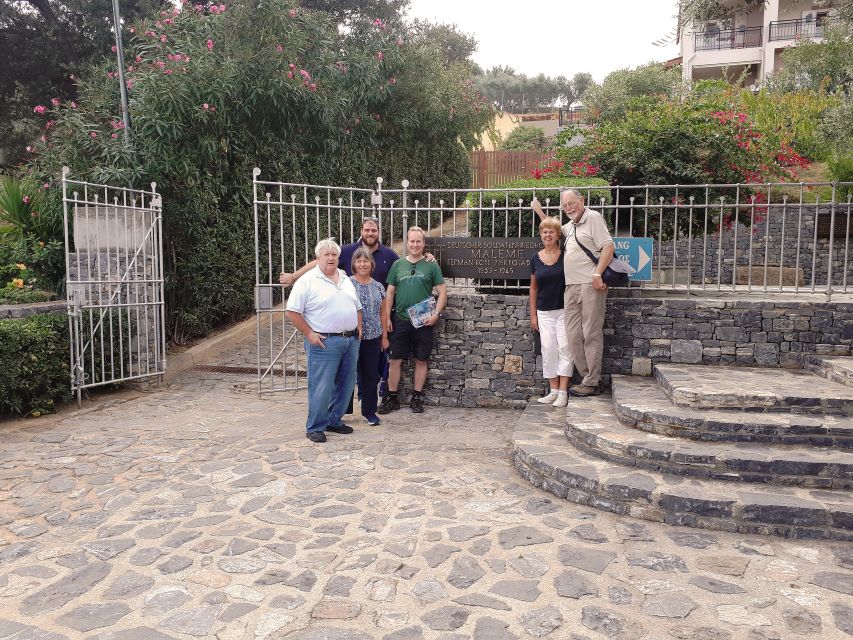
The tour’s first “wow” moment is Maleme—the pretty village area tied to where the German paratroopers first landed. You don’t just hear about it. You get a viewpoint that lets you see the Maleme airfield from above, which instantly upgrades the story from abstract to real.
This is one of those stops where you’ll feel the value of a guide. From a higher angle, the terrain becomes easier to understand: why certain moves made sense, how ground control and air activity shaped outcomes, and why Maleme became such a focal point early on. If you’ve ever felt lost while reading battle maps, this kind of viewpoint helps you see what the maps were trying to say.
Tavronitis Bridge: the kind of landmark that explains strategy
Next comes Tavronitis Bridge, another place where a familiar object (a bridge) takes on a complicated wartime meaning. Here’s the practical benefit: instead of treating the battle as a series of random engagements, you start understanding how key routes and chokepoints can shift momentum.
This stop works especially well if you’re the type who likes cause-and-effect history. The guide’s explanation helps you connect what happened locally to the bigger fight across Crete. And because the tour keeps returning to specific sites—rather than broad generalities—you end up with a mental map that holds together.
Galatas: learning the battle through remnants, not textbooks
Galatas is where the tour leans into “see the pieces, understand the scene.” You’ll learn about the battle there, then you’ll be shown remnants connected to the fighting and occupation. This is where small visual cues do a lot of work for your memory. A monument. A site marker. A bit of preserved material. Each one acts like a breadcrumb back to the bigger story.
One review also highlighted the way the guide explained the battle in a logical, chronological flow, including references like fighting around Hill 107. You don’t have to know the terminology going in. The value is that you get an organized narrative that stops you from feeling overwhelmed by WWII detail.
Small museums and secret shelters: the “behind the scenes” layer
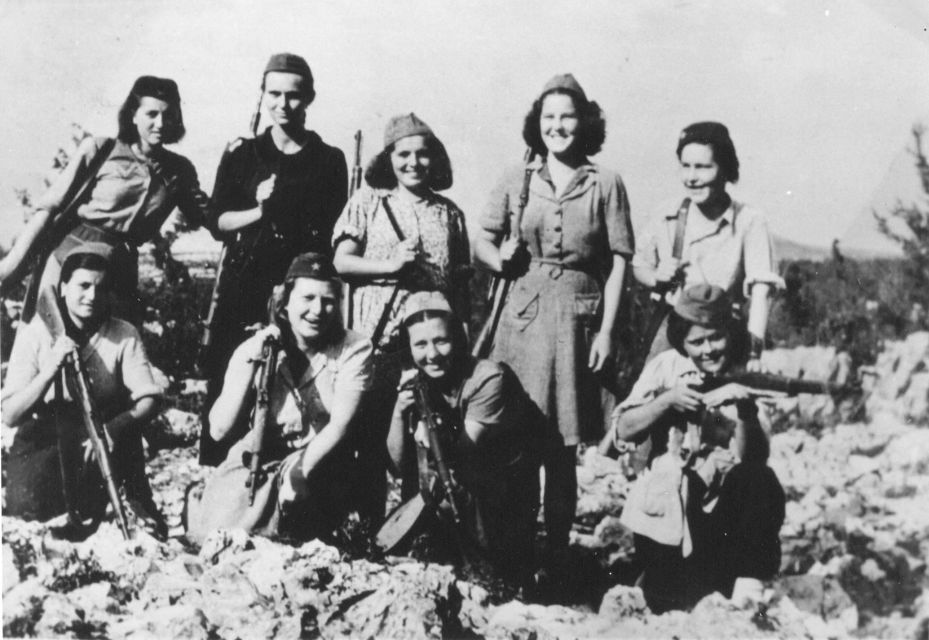
If you want more than surface-level stopping points, you’ll like this part of the itinerary. The tour includes small museums and visits to secret shelters or shelter-like remnants—places that feel less like a show and more like the survival side of history.
Why is this valuable? Because WWII on Crete wasn’t only about armies moving. It was also about people hiding, communicating, and keeping hope alive under pressure. Partisans played a role in supporting the British, Australian, and New Zealand forces, and the tour ties that resistance story to what you’re seeing on the ground.
Also, these smaller spaces tend to be quieter. That gives you a better chance to absorb what you’re reading or hearing, instead of sprinting between major tourist sights.
War cemeteries for German and Allied forces: where the day turns emotional
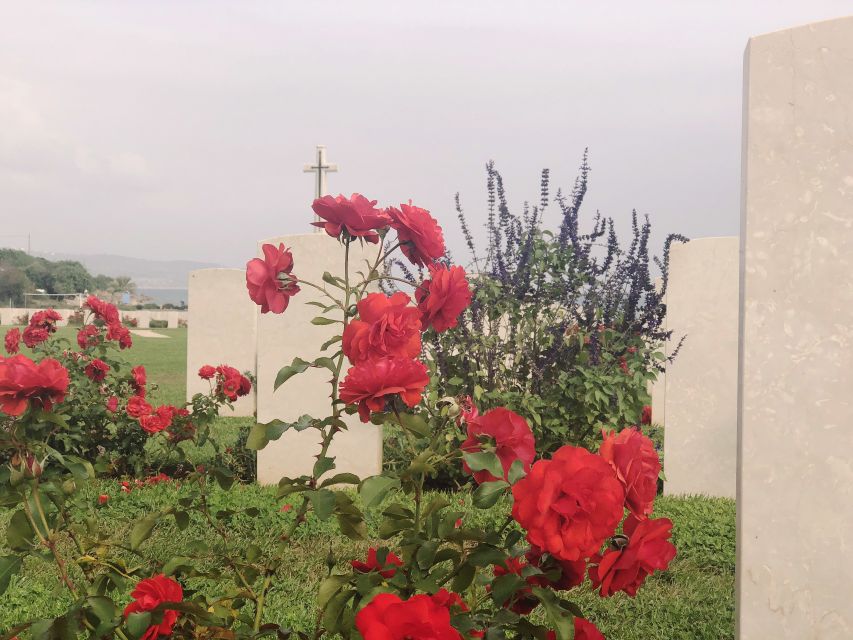
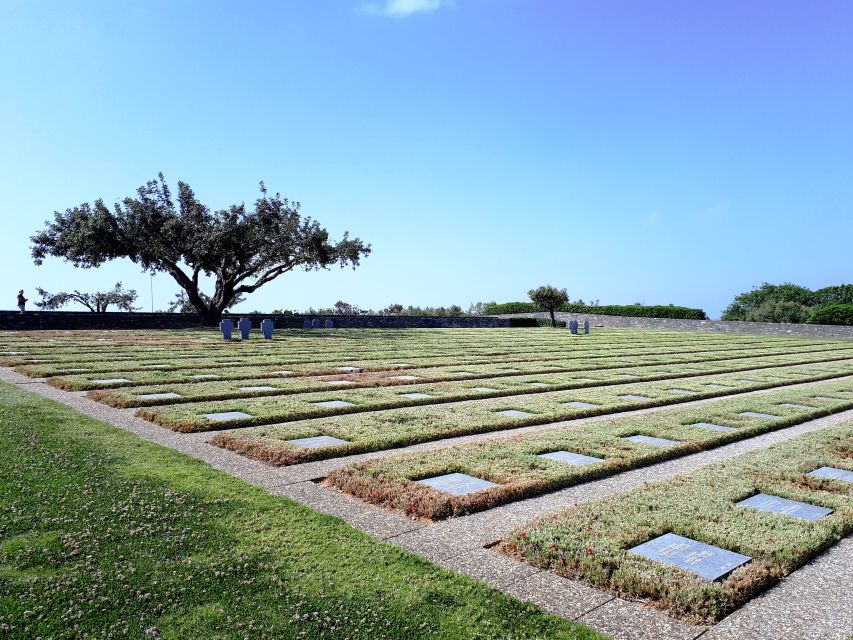
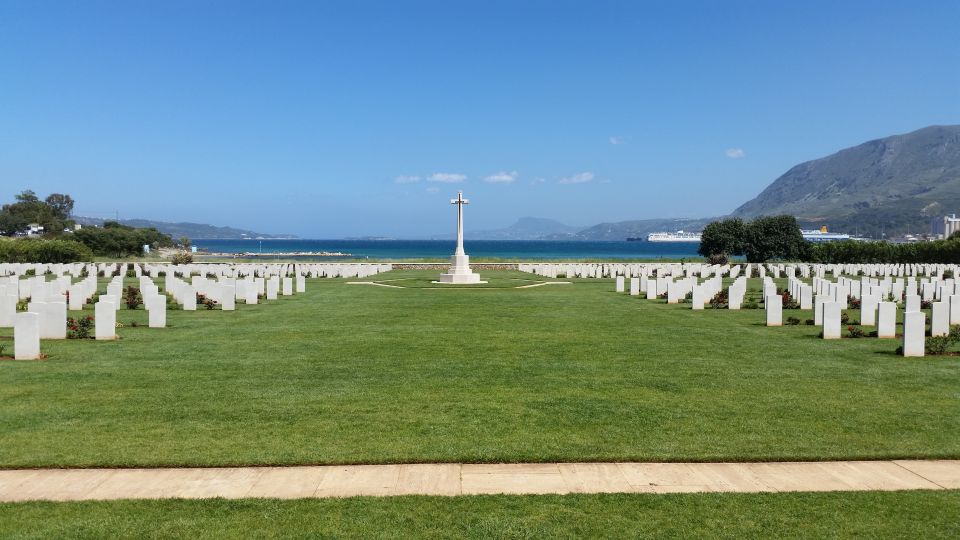
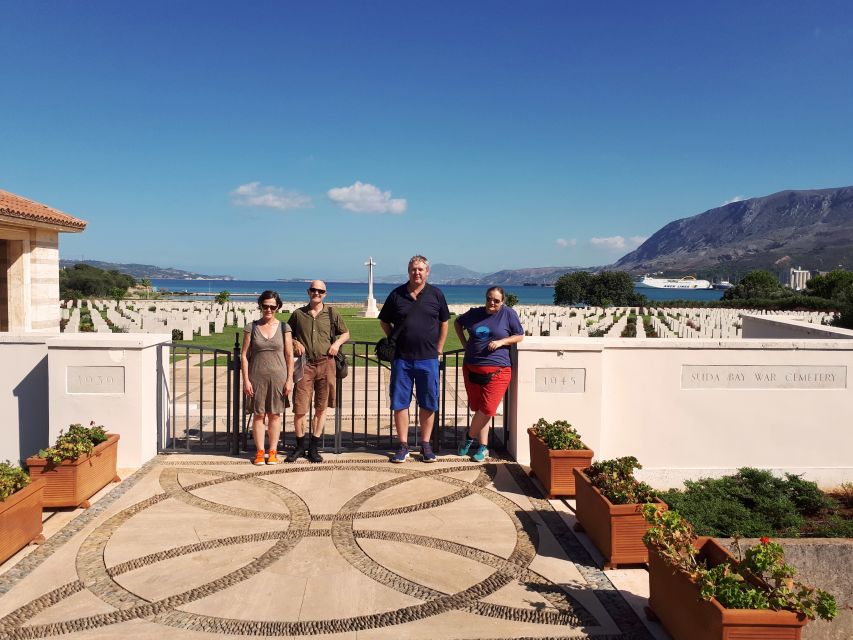
The emotional core of the tour is the visit to the German and Allied war cemeteries. This is the kind of stop that slows you down, even if you came for the strategic history.
What I appreciate about this tour’s cemetery segment is the balance. You don’t get a one-sided story. You see burial grounds for both sides, and you get contextual guidance that’s described as sensitive—especially with how wording at the German graves is handled. You’ll also notice the cemeteries are described as beautifully preserved, which makes the visit feel more dignified than hurried.
If you’re visiting Crete with family ties—grandparents or uncles connected to the battle—this part can become personal in a way you can’t fully predict. Several guides-in-the-field anecdotes stressed how connecting the sites to real people made the day feel meaningful, not just educational.
How the guides (like Yanis and Babis) shape your understanding
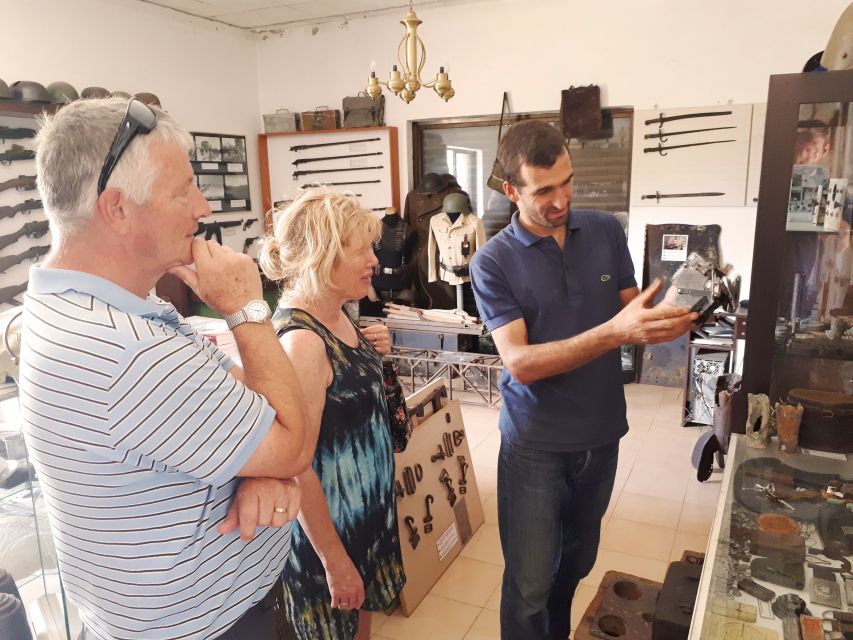
The standout pattern across feedback is how much the guide matters. Guides named Yanis/Yonis/Yiannis and Babis (spelling varies by review) show up as frequent highlights, and the common theme is a clear storyline plus tools that help you follow it.
Look for these “learning boosters” during the day:
- Maps and old photos used to explain troop movement and what you’re seeing at each site
- Supporting documents that make the narrative easier to track
- A mix of speaking and site time so the day doesn’t feel like a lecture in a van
One review noted the guide also shared detail about Crete’s way of life alongside the battle story, which helps you understand the invasion and occupation as something that disrupted real daily routines. Another review even described the feeling of being guided by someone with strong ties to the subject, which can make the day feel less like a generic history walk.
If you’re worried you’ll get lost in WWII terms, you can relax. The tour’s format is built to help you follow the sequence and keep connecting each stop back to the main story.
The 6-hour minivan day: what to pack and how to pace yourself
This is a 6-hour small-group outing with air-conditioned minivan transportation and pickup/drop-off from specific locations in the Chania region. That means you don’t waste time figuring out logistics, and you get to spend your energy on the story.
For planning, here’s what to know:
- Bring comfortable shoes. You’ll be on your feet at multiple sites.
- You get a snack and a bottle of water, so you’re not going into the day empty-handed.
- Plan for heat and pacing. Reviews mention the day can run long in warm conditions, and comfort stops can be limited.
A common consideration: multiple people flagged that there’s only one scheduled comfort break. In at least one case, the guide made an extra stop at a supermarket when asked, which helped. Still, I’d treat it as a “bring your own timing strategy” day. If you need frequent restroom access, go in ready.
Also note: the tour only departs from the Chania region, so don’t plan to join if you’re staying elsewhere without confirming pickup logistics.
Value check: is $111 worth it for Crete WWII history?
At $111 per person for a 6-hour, small-group tour, the value comes from what’s included and how the day is designed.
You’re not just paying for driving and a generic talk:
- Transportation by air-conditioned minivan
- Entrance fees and local taxes
- A real local guide plus an English-speaking driver/guide
- Small group format
- Snack and water
Then there’s the experience value: multiple review mentions singled out how the itinerary creates a clear picture of invasion and occupation—through Maleme, Tavronitis, Galatas, museums, shelters, and then the cemeteries. That’s a lot of site-based learning for one day.
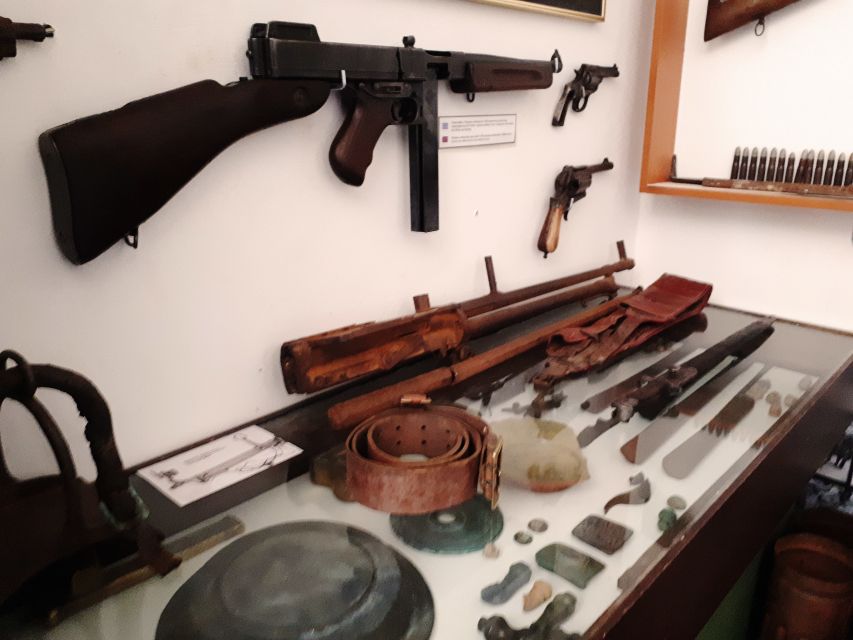
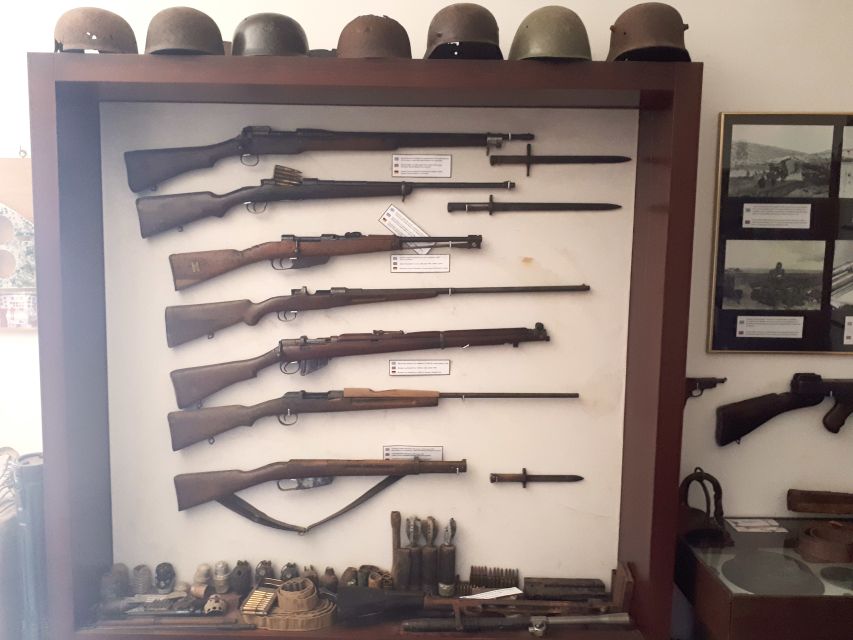
One more thing that affects value: many groups include a visit to a private WWII collector with artifacts tied to local finds. Several reviews praised it as impressive and even described the artifacts as something you can touch and see up close. If you like hands-on history, that can make the day feel meaningfully different from a standard “look at plaques” tour.
Who should book, and who should think twice
This tour is a great fit if you:
- Want a structured way to understand the Battle of Crete and the build-up to Operation Mercury
- Prefer small-group pacing over big bus crowds
- Like history told through specific places, not just narration
- Find war cemeteries meaningful and want respectful context for both Allied and German graves
- Appreciate extra context like maps, old photos, and supporting documents
You might want to think twice if you:
- Need frequent restroom breaks during a day trip
- Prefer a lighter, more relaxed “wander and browse” pace over a tight narrative itinerary
- Are looking for a purely scenic tour rather than a history-focused one
If your schedule is flexible, you’ll also like that it offers free cancellation up to 24 hours in advance and the ability to reserve now and pay later.
Should you book the Chania WWII history tour?
Yes, I’d book it if your priority is understanding Crete’s WWII story in a way that connects the background, the invasion, and the resistance into one clear picture. The Maleme airfield viewpoint, the battle-linked stops at Tavronitis Bridge and Galatas, the secret shelters and small museums, and the closing visit to the German and Allied cemeteries work as a complete arc rather than a loose collection of stops.
Just go in with two practical expectations: wear comfortable shoes, and plan for a day with limited comfort breaks. If you can handle that, this is the kind of tour that leaves you with more than facts—you’ll leave with a map in your head and a deeper sense of what happened and why it mattered.
FAQ
How long is the WWII history tour from Chania?
The tour lasts 6 hours.
Where does the tour pick up from?
Pickup and drop-off are from specific locations in the Chania region, and the tour only departs from the Chania region.
What languages are available on the tour?
The tour is guided in English and Greek.
What main WWII sites does the tour include?
You’ll see the Maleme airfield from above, visit Tavronitis Bridge, learn about the battle of Galatas, visit small museums and secret shelters, and tour the German and Allied war cemeteries.
Is food or drink included during the tour?
Yes. The tour includes a snack and a bottle of water per person.
What should I bring, and are pets allowed?
Bring comfortable shoes. Pets are not allowed.