REVIEW · SANTORINI
Experience Santorini: Wine Tasting Small Group Tour
Book on Viator →Operated by Santorini Tours & Guides · Bookable on Viator
Wine and views in Santorini come together fast. You’ll get hotel pickup plus 10–12 wine tastings across three serious stops, with snacks to keep you comfortable. One thing to consider: this is a wine-and-tapas plan, not a full sit-down meal, so don’t build your dinner around it.
I really like that the tour is built for easy logistics and real wine focus. You’ll visit estate-style producers and more traditional cellars, plus a vineyard tour on volcanic soil, and you get enough time with your guide to ask questions (names that show up in the praise include Mary and Alex, and they’re repeatedly called out for making the experience smooth and well-timed). If you’re planning a tight cruise-day schedule, you’ll also want to be mindful that the day can feel a bit rushed for those connections.
In This Review
- Key Things to Know Before You Go
- Santorini Wine Tasting: Why These Three Stops Matter
- Price and Logistics: Pickup, Timing, and Real-World Value
- Stop 1: Estate Argyros for Ocean Views and Assyrtiko Core
- Stop 2: Anhydrous Winery and the Idea of Ancient Techniques
- Stop 3: Artemis Karamolegos for Volcanic Soil Vines and Cellars
- Wine Pairing and the Snack Plan: How You’ll Actually Eat
- Small-Group Feel: Why It Changes the Whole Experience
- What You’ll Learn Along the Way (Without Making It Feel Like School)
- Possible Drawbacks: When Expectations Don’t Match
- Who This Tour Suits Best (And Who Should Skip It)
- Should You Book This Santorini Wine Tasting Tour?
- FAQ
- What time does the Santorini wine tour start?
- Is hotel pickup and drop-off included?
- How many people are in the group?
- What wineries are visited?
- How much wine is included?
- What food is included during the tastings?
- What if the weather is bad?
Key Things to Know Before You Go
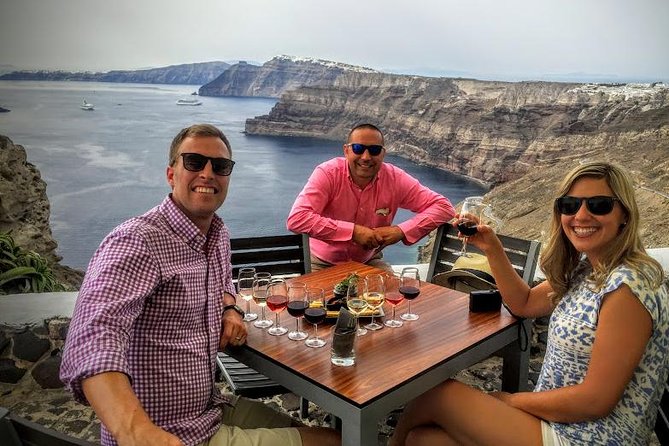
- Three winery stops, each with its own personality: Argyros, Anhydrous Winery, then Artemis Karamolegos.
- A real Assyrtiko-centered route: Expect lots of Santorini whites, especially Assyrtiko and its neighbors.
- Volcanic-vineyard time: You’re not just tasting in rooms—you’ll see vines grown on volcanic soil.
- Small-group size (max 10): This usually means more back-and-forth with your guide.
- Pickup where cars can reach: You’ll get transport from hotels/Airbnbs in Santorini that are accessible by vehicle.
- Plenty of tasting variety: The plan targets 12–14 different tastings, with 10–12 glasses served across the wineries.
Santorini Wine Tasting: Why These Three Stops Matter
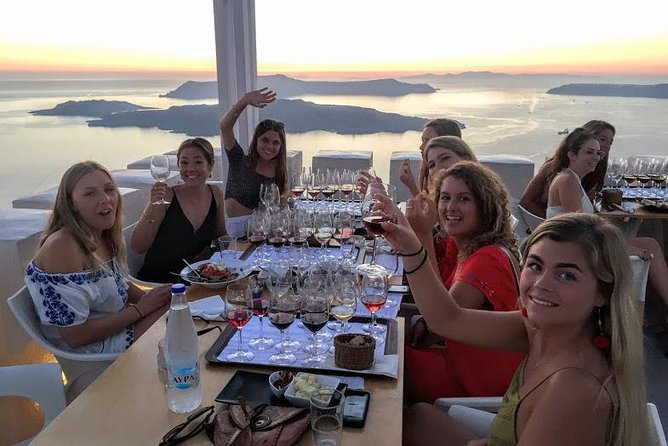
Santorini wine is famous for a simple reason: the ground is weird. Volcanic soil and the island’s dry conditions force vines to work differently, and that shows up in the glass. This tour is a smart way to understand that without needing a full day of hopping around on your own.
What makes this route work is the mix of winery styles. You’re not only going to one type of operation, so you can compare modern estate hospitality with more traditional cellar-and-vineyard experiences. And since Santorini’s main star variety is Assyrtiko (often paired with other local expressions), the tasting lineup gives you a useful framework for what to look for later in restaurants or bottle shops.
You also get built-in pairing food—Greek cheese, tapas, and snacks—so you’re tasting with something to balance acidity and alcohol. That matters more than people expect, especially when you’re doing multiple tastings in a few hours.
You can also read our reviews of more tours and experiences in Santorini.


Price and Logistics: Pickup, Timing, and Real-World Value
This costs $193.57 per person for about 4 hours (starting around 3:30 pm). On paper, that’s not cheap. But the price stacks practical items together: round-trip pickup/drop-off, air-conditioned private transport, admission at the wineries, and 10–12 wine tastings plus local snacks.
The value angle for me is simple: you’re buying time and coordination. Santorini can be a patchwork of hills, viewpoints, and roads that don’t always play nicely with buses and self-drive. Here, you don’t have to worry about parking or trying to time three different wineries with public transit.
A few logistics details that affect your day:
- Group size: shared with 2 to 10 people, and there’s a maximum of 10. That’s small enough for attention without being a private-elite-only experience.
- Pickup timing: it’s flexible if availability allows. You start at 3:30 pm, but the exact pickup window will depend on where you’re located.
- Cruise ships: cruise passengers are tendered to Santorini Old Harbor, which isn’t car-accessible. The meeting point is the exit of the cable car upper station, and the driver holds a sign with your name.
If you’re booking, do it early. This type of tour is often reserved well ahead of time—on average about 65 days in advance—so last-minute plans may cost you availability.
Stop 1: Estate Argyros for Ocean Views and Assyrtiko Core
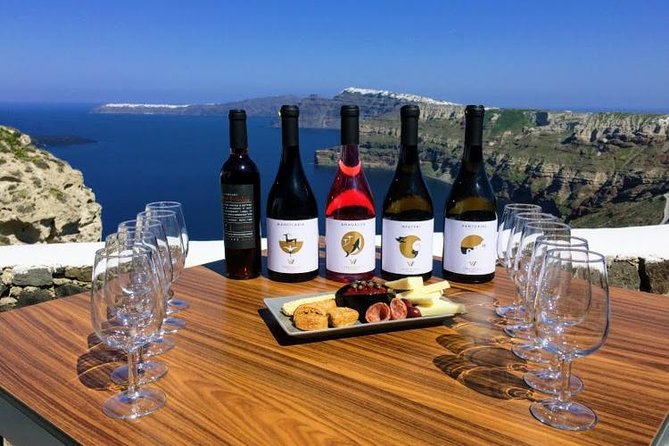
Your first winery stop is Estate Argyros, a modern estate on the outskirts of Episkopi-Gonia, about 5.5 km southeast of Fira. One of the main draws is the spacious tasting room with ocean views—you’ll get that classic Santorini sense of place while you taste.
Argyros is strongly associated with the island’s signature white grape. The core variety here is Assyrtiko, and you may also encounter an Aydani expression. If you like structure and crisp white-wine character, this is a good place to calibrate your palate early.
There’s also a red note in the story: the winery’s Mavrotragano has received high acclaim (noted as 93/100 in a Wine Advocate context). The practical takeaway: even if you come for whites, this stop can help you spot the difference between how Santorini handles freshness versus depth.
Time on site: about 45 minutes. That’s enough for tasting flights without turning into a long slog, and it sets you up for the more hands-on volcanic elements later.
Stop 2: Anhydrous Winery and the Idea of Ancient Techniques

Next up is Anhydrous Winery, founded by winemaker Apostolos Mountrikas. The timeline is part of the appeal: the project started earlier, and Anhydrous Winery was founded in 2021 after finishing his work.
What makes this stop interesting is the stated approach to winemaking. Instead of aiming for a single style, the winery emphasizes experimentation with ancient winemaking techniques, with the goal of producing modern wines that keep purity and preserve varietal character. And yes, they specifically describe these as anhydrous wines, connected to Santorini’s identity—volcano, sun, sea breeze, and the Cycladic air.
In plain terms: this stop is where you start tasting with more “why” behind it. You’re tasting not only for flavor, but for the story of how the process affects that flavor. If your goal is to understand Santorini beyond Instagram viewpoints, this is a key part of the tour.
Time on site: about 45 minutes. Expect a structured tasting and some explanation, with a focus on how the island conditions shape what’s in your glass.
Stop 3: Artemis Karamolegos for Volcanic Soil Vines and Cellars

The final stop is Artemis Karamolegos Winery, a more traditional-style experience in the countryside. Here, you’re not only tasting—this stop includes time for walking through the vineyard on volcanic soil. That’s the “Santorini is different” moment you can’t really replicate from a tasting room alone.
The tasting format is designed to widen your view. The plan calls for sampling 12 different wine styles from Santorini and Greece. That doesn’t mean every bottle will be a totally new flavor universe, but it does give you enough variety to recognize patterns: which wines stay tight and mineral, which show fruit-forward traits, and which hint at dessert-style or other local styles.
You’ll also get local food alongside the wines—specifically cheese and olives are called out here. It’s a helpful pairing, since salty, fatty bites work well with acidity and with the range you’re likely tasting across three wineries.
Time on site: about 45 minutes. It’s a good length for sampling and learning while still leaving the day feeling like an afternoon, not a full-day marathon.






Wine Pairing and the Snack Plan: How You’ll Actually Eat
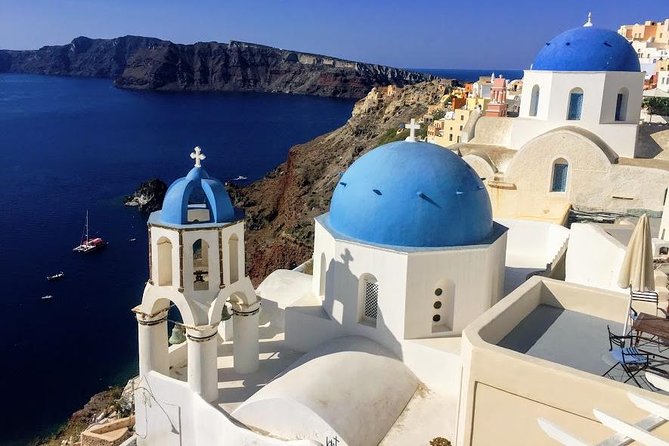
This tour includes small plates rather than a full meal. You’ll get Greek cheese, tapas, and snacks across the tastings, with local tapas called out in the sample menu as well.
Here’s how to think about it:
- You’ll have enough food to make tasting comfortable.
- You should still eat a real meal before you go, especially since the tour starts at 3:30 pm.
- Don’t assume you’ll leave with a fully satisfied dinner hunger unless you snack strategically.
A helpful detail from the tour description: each winery is providing food “alongside” wine tastings, so the pacing is built in. That matters if you’re the type who gets a little wobbly when tasting goes long. The food helps keep things steady.
Small-Group Feel: Why It Changes the Whole Experience

This is the type of tour where “small group” isn’t just marketing language. With a max of 10 people, you typically get better timing, more chances to ask questions, and less waiting around while the rest of the group finishes photos.
The best part of the small-group format is that your guide can adapt. If you’re curious about why Assyrtiko tastes the way it does, you can ask. If you prefer to focus on reds or sweet styles, you can steer the conversation. In the praise, guides like Mary and Alex are repeatedly highlighted for making the day feel handled—like you’ll land back on time without guessing.
One thing to watch: small groups still share time. So if someone in your group has a cruise deadline, the rhythm can tighten.
What You’ll Learn Along the Way (Without Making It Feel Like School)
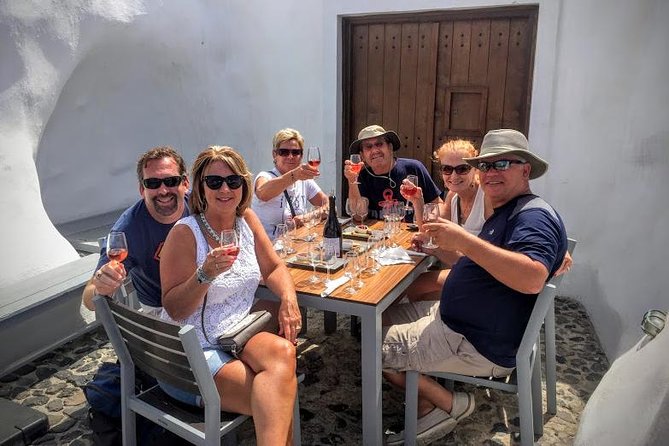
This tour is designed around the island’s wine culture and how Santorini is shaped by harsh conditions. That comes through in the way each stop is framed:
- Argyros gives you modern estate hospitality with a core focus on Santorini whites (Assyrtiko).
- Anhydrous Winery adds technique and philosophy, including ancient-method experimentation.
- Artemis Karamolegos brings you back to the physical reality—volcanic soil vines and traditional wine culture.
That combination is valuable because Santorini wine can feel like one note if you only taste in one setting. Here, you get a broader “how this works” feel.
Also, this is an English-led tour. That sounds basic, but it matters if you’re choosing between tasting experiences. Clear explanations help you remember what you liked and what you want to look for later.
Possible Drawbacks: When Expectations Don’t Match
I’m going to be straight with you: wine tours are only as good as the match between your expectations and what the wineries are serving that day.
One possible issue is timing and seasonality. There’s a risk in mid-to-late season that the overall experience can feel tighter if certain operations are limited. In practical terms, you might want to go in the busier months (spring through early autumn) if your main goal is maximum winery variety.
Another consideration is tasting consistency. Some people dislike when the wineries pour similar styles and the snack setup feels repetitive. The tour’s promise is variety, but like any wine itinerary, the exact flight can shift based on what each winery is available to share on that particular afternoon.
Finally, you should plan for afternoon pacing. Since it’s about 4 hours and starts at 3:30 pm, it’s not built to guarantee a full sunset plan in addition to the wineries. If sunset is your top mission, you’ll likely need to plan it as a separate bonus, not the core of the tour.
Who This Tour Suits Best (And Who Should Skip It)
This is a great fit if:
- You want three wineries in one afternoon with structured tastings.
- You love white wines, especially Santorini’s Assyrtiko style.
- You want a guide to explain what you’re drinking while you taste.
- You prefer smaller groups and smooth pickup/drop-off instead of self-driving.
You might skip it if:
- You want a full dinner or long meal experience as part of the tour.
- You’re extremely picky about wine variety and want guaranteed red/rosé/dessert depth in every stop.
- Your schedule is so tight that any small delay could ruin your day.
For most people, the sweet spot is couples and small groups who want a “high value, no stress” way to learn Santorini wine without cramming.
Should You Book This Santorini Wine Tasting Tour?
Book it if you want a practical afternoon with pickup, three distinct wineries, and 10–12 tastings where the island’s volcanic wine story is explained clearly. The price feels more reasonable when you think about what’s included: transport, admission, and multiple pour-ups with snacks.
Hold off or plan carefully if you’re traveling in a period when operations might be limited, or if your schedule depends on hitting specific sunset viewpoints right after. Also, if your top goal is only a giant variety of reds or a full meal, you may feel better choosing a different format.
If you want an easy way to drink well and learn fast, this route is a solid bet—especially if you like Assyrtiko and you want to see vines grown right where the volcano left its mark.
FAQ
What time does the Santorini wine tour start?
The tour starts at 3:30 pm. Pickup details will follow based on where you’re staying, and the exact timing can be flexible if there’s availability.
Is hotel pickup and drop-off included?
Yes. Pickup and drop-off are included at all car-accessible locations in Santorini, and transport is provided by air-conditioned private vehicle.
How many people are in the group?
It’s a shared small-group tour, typically 2 to 10 people, with a stated maximum of 10 people.
What wineries are visited?
You visit Estate Argyros, Anhydrous Winery, and Artemis Karamolegos Winery.
How much wine is included?
The experience includes tastings of 10–12 Santorini and Greek wines, with the overall tasting experience described as 12–14 different tastings.
What food is included during the tastings?
You’ll have Greek cheese, tapas, and snacks alongside the wine tastings. A full meal is not listed as included.
What if the weather is bad?
The tour requires good weather. If it’s canceled due to poor weather, you’ll be offered another date or a full refund. Free cancellation is available up to 24 hours in advance.