REVIEW · MENORCA
Dive Christening
Book on Viator →Operated by Dune Baleares Fornells · Bookable on Viator
Your first scuba lesson starts on a boat.
I loved the professional, patient coaching and the boat-based setup that keeps you from dragging gear around; the main catch is you’re dependent on good weather.
This is a beginner-friendly scuba christening in Fornells, with lessons right after you get kitted up and then a gentle underwater session over the Marine Reserve area near the lighthouse. You’ll typically be in the water long enough to feel comfortable, but the whole thing stays paced for first-timers.
One practical note: you’ll want to plan to return back to the meeting point the same day—this runs a bit over 2 hours, and in one case it stretched roughly from mid-afternoon into early evening.
In This Review
- Key things I’d watch for
- Where you’ll go in Menorca (and why that matters)
- Price and what you actually get for $126.15
- Meeting at Fornells and getting moving
- The on-land part: explanations before you ever go in
- Gear setup: the part you’ll be glad they handle
- Boat departure: comfortable and practical
- Your first underwater steps: breathing, ears, and staying calm
- The main session: a short tour over a controlled depth
- The Marine Reserve area near the lighthouse
- Timing: how long it takes and what window to plan
- What to bring (and how to prep so it feels easy)
- Language, group size, and the private-tour vibe
- Included insurance and why it’s part of the value
- What to expect from your guides (based on real feedback)
- Who this is best for
- Should you book this scuba christening in Menorca?
- FAQ
- How long does the scuba christening last?
- Where does the activity take place?
- Do I need a medical certificate?
- What is the maximum depth?
- What should I bring?
- Is a photo report included?
Key things I’d watch for
- Boat departure to the training spot: less walking with gear, more time listening and learning.
- Safety-first gear and guidance: professional scuba equipment plus close help getting it in the water.
- Beginner-friendly depth plan: practice close to the surface first, then a controlled session with a maximum depth of 10 meters.
- Marine Reserve included in the price: the marine reservation fee is bundled, so fewer surprise add-ons.
- No medical certificate required: you’ll answer a medical questionnaire at the start instead.
- English instruction and private-group feel: your group goes together, and everything is handled by the same team.
Where you’ll go in Menorca (and why that matters)
Fornells is a great base for this kind of first underwater experience. The setting is a bay with a natural, pool-like area near the lighthouse inside a Marine Reserve, which is exactly what you want for calm early steps.
Instead of swimming from shore while you’re still learning how everything works, you anchor close to the training zone. That matters because your attention stays on breathing, comfort, and buoyancy rather than logistics.
The experience is offered by Dune Baleares Fornells, and the tone from their setup is clear: this is meant for beginners who want professional structure without feeling rushed. The overall booking rating is strong (4.7/5 from 44 reviews), and the feedback consistently points to teaching quality and hands-on support.
You can also read our reviews of more tours and experiences in Menorca.

Price and what you actually get for $126.15
At about $126.15 per person, you’re paying for more than just a “try it” moment. The price includes scuba equipment, diving insurance, and the Marine Reserve rate, plus the boat departure and all fees and taxes.
That bundling is the big value point for most people. When a marine fee or reservation rate is added later, it can change what you thought you’d spend. Here, it’s built in.
The one clear thing not included is a photo report. If you want photos, you’ll need to sort that separately (or go with your own camera/phone if allowed by your guides).
Meeting at Fornells and getting moving
You start at Passeig Marítim Poeta Gumersind Riera, 68A, 07748 Fornells, Spain. The activity ends back at the same meeting point, which is convenient for planning the rest of your afternoon.
It’s also listed as near public transportation, so you’re not stuck needing a car. For many visitors, that’s a quiet win: you can focus on the experience instead of stress-testing parking spots.
Because it’s a private activity, only your group participates. That usually means you’re not getting absorbed into a giant mixed group where first-timers get less attention.
The on-land part: explanations before you ever go in
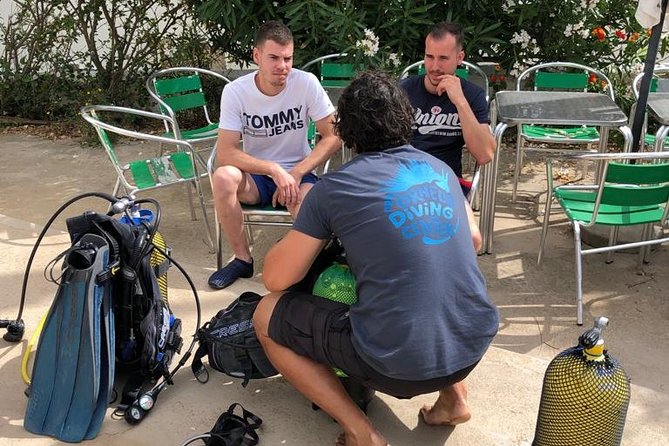
Before you get wet, the team runs through the basics. You’ll cover equipment, how underwater breathing works, underwater communication, and how to balance your ears.
For first-timers, this is where the experience either feels scary or feels doable. The format here is structured and beginner-minded, and the reviews highlight instructors who are not just professional but also pedagogical and attentive.
Here’s what you should expect during this phase:
- Equipment overview and how to use the regulator
- Simple ear-balancing guidance (so you know what’s coming)
- Underwater communication basics (so you’re not guessing underwater)
This is also where the “small stuff” gets handled. If you’re nervous, ask questions now—this setup is designed so you’re not figuring it out once you’re already in the water.
Gear setup: the part you’ll be glad they handle
The session is designed to minimize heavy carrying and awkward staging. You cross over and then leave by boat, so you’re not hauling scuba gear long distances.
Once you’re at the water, they help people put the equipment in the water. That support matters because when you’re learning, the last thing you want is to struggle with straps, seals, or buoyancy adjustments while trying to listen and relax.
They use professional scuba gear, and you should treat that seriously: your job is to follow their fit and check instructions so the gear works the way it’s supposed to.
What I like about this approach is simple: the team takes the “physical friction” out of the beginning. You can concentrate on breathing and feeling calm.

Boat departure: comfortable and practical
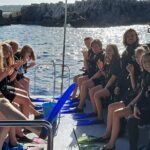
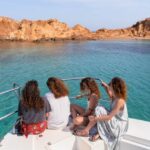
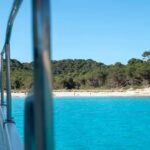
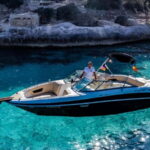
A major comfort feature here is the boat departure. The baptism happens from the boat, and that means your start is smoother than any shore-based first session.
You’ll anchor in a background depth around 1 meter (about 1m), which helps beginners ease in rather than suddenly being in deeper water. It also keeps the early portion manageable while you practice control.
Think of it as training wheels. Once your body is used to the regulator and the sensation of breathing underwater, confidence rises fast.
Your first underwater steps: breathing, ears, and staying calm
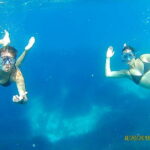
The first underwater stage starts on the surface. You breathe with a regulator while your head is in the water—this is a common way to remove the shock factor before you descend.
Then you go down about 1 meter to 1.5 meters. This is not about “going deep.” It’s about teaching your muscles and instincts how to feel safe underwater.
You’ll be guided through the process, and the plan includes time specifically to get used to the equipment before moving into a short tour. That pacing is often the difference between a fun first experience and a stressful one.
If you’re prone to anxiety, here’s the mindset that helps: focus on slow breathing and small adjustments. If you rush, everything feels louder and more intense than it needs to be.
The main session: a short tour over a controlled depth
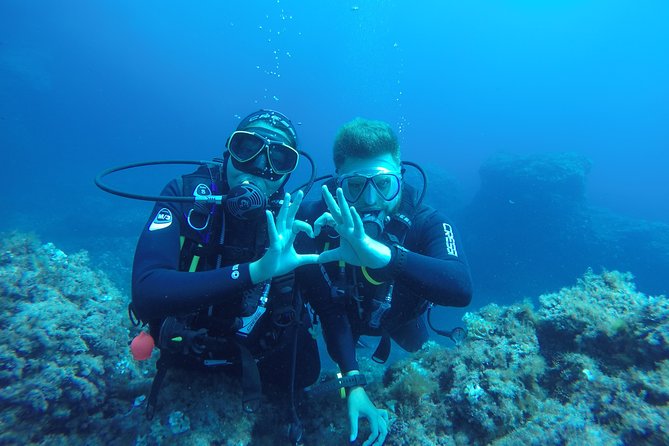
After the initial practice, the experience includes a tour for about 40 minutes. The maximum depth is up to 10 meters.
That’s a realistic “experience depth” for a christening. It’s deep enough to feel like you’re actually underwater and not just standing around, but shallow enough to keep things comfortable and teachable.
In plain terms, you’re learning:
- how to control your buoyancy at beginner depth
- how to move without flailing
- how to communicate underwater using the agreed signals
The guides don’t just point and hope. The feedback emphasizes coaching that stays with you throughout, and that’s what you want at every step.
The Marine Reserve area near the lighthouse
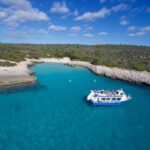
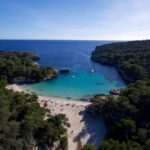
Most sessions are done at the exit of the bay below the lighthouse, in the Marine Reserve. There’s a place that looks like a natural pool, which is exactly the kind of protected area that makes beginners feel more at ease.
The boat anchors over sandy background water around 1 meter. That shallow setup is ideal for first-timers adjusting to mask pressure, regulator breathing, and ear comfort.
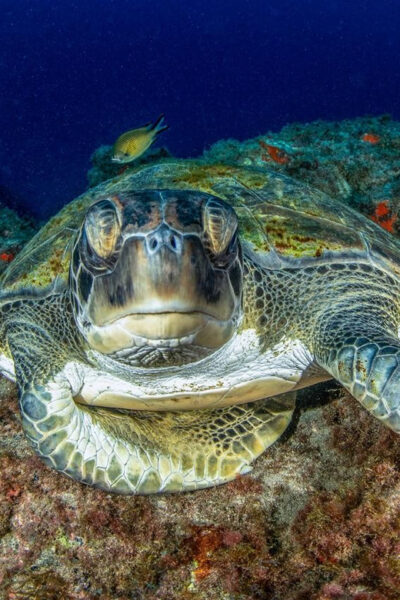
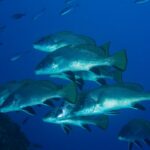
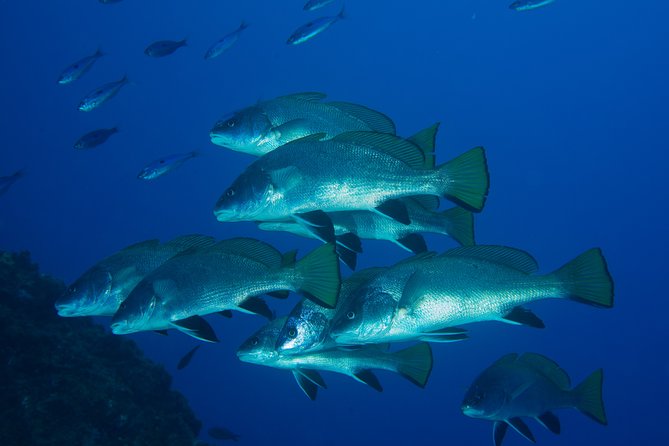
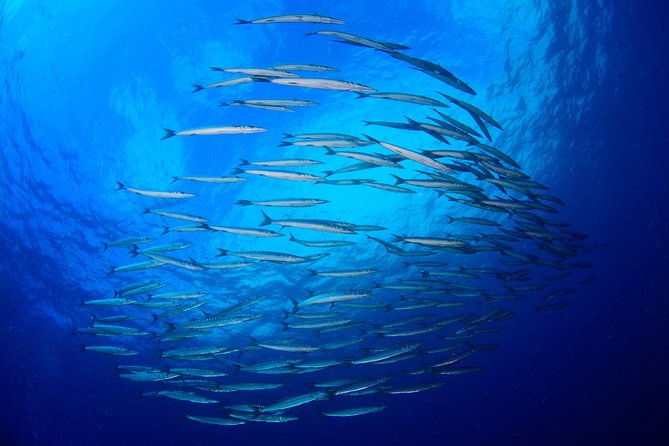
And yes—the underwater life matters. More than one review specifically praises the seabed and the marine funds. Even if you don’t know the names of species, you’ll still feel the difference between “generic water” and a protected training zone.
Timing: how long it takes and what window to plan
The duration is about 2 hours 30 minutes (approx.). Another detail from real-world timing: one group didn’t meet at 15:00 as expected and returned around 17:00.
So I’d plan it as an afternoon activity. Give yourself buffer time before and after. If you have dinner reservations, aim for something a bit later—or build in flexibility.
Weather can also affect timing. The experience requires good weather, and if conditions are poor, you’ll be offered another date or a full refund.
What to bring (and how to prep so it feels easy)
You only need a small packing list:
- swimsuit
- towel
- sun cream
That’s it. You’ll get the scuba equipment as part of the experience. Keep your other items minimal so you don’t fight with bags when you’re transitioning to boat time.
A practical prep tip: put on your swimsuit before you go if you can. Changing once you’re already sweaty and sunburn-adjacent is everyone’s least favorite hobby.
Also bring a little extra sunscreen awareness. You’ll be outside a lot, and even short sessions can catch you if you think you’re “only going for a bit.”
Language, group size, and the private-tour vibe
This is offered in English, and your booking includes a mobile ticket. The confirmation is received at time of booking.
Because it’s private, only your group participates. That matters more than people think. On beginner experiences, you want consistent attention, and a private setup often makes that easier for the guides.
Most travelers can participate, and the teaching style shown in the reviews suggests you’ll be walked through each step rather than being handed equipment and left to figure it out.
Included insurance and why it’s part of the value
Diving insurance is included. That’s one of those details you don’t notice until you actually need it, but it changes the comfort level of booking.
Add in the professional gear, marine reservation rate, and boat departure, and you can see the logic: you’re paying for a complete, safe beginner package rather than a bare-bones experience.
Also, you don’t need a medical certificate. You’ll answer a medical questionnaire at the center. If you have any health concerns, fill the questionnaire thoughtfully and be ready to discuss anything that seems relevant to comfort and safety.
What to expect from your guides (based on real feedback)
The most praised aspect is the guidance. Reviews repeatedly call out instructors who are super, professionals who explain clearly, and a team that stays involved so you enjoy the experience fully.
That’s important because underwater confidence is built, not guessed. A calm teacher helps you:
- understand equipment without confusion
- get comfortable with breathing right away
- correct small mistakes early
- relax enough to actually enjoy what you’re seeing
If you’re the type who likes reassurance, this style will fit you.
Who this is best for
This scuba christening is best for:
- complete beginners who want structured help
- people who prefer a calm start from a boat
- anyone who worries about equipment or ear comfort and wants coaching
If you already have lots of experience, you may find the session short and limited to a beginner depth plan. But if it’s your first time—or your first time in a while—this is the kind of environment that builds comfort fast.
Should you book this scuba christening in Menorca?
If you want an easy first step into underwater life, I’d book it—especially if you’re coming to Fornells and want the Marine Reserve experience without juggling logistics.
I’d say go for it if:
- you like clear instruction and close support
- you want boat comfort and less gear-carrying
- you care that the marine reservation fee is included
I’d pause if:
- you can’t be flexible with weather
- you strongly prefer a longer, more independent underwater session
For most people, the combination of professional coaching, controlled beginner depths, and the boat-based start makes this a strong value choice in Menorca.
FAQ
How long does the scuba christening last?
It lasts about 2 hours 30 minutes (approx.), and the full experience typically runs a little over 2 hours before returning to the meeting point.
Where does the activity take place?
You meet in Fornells and the christening is usually done from a boat at the exit of the bay below the lighthouse in a Marine Reserve area.
Do I need a medical certificate?
No. You’ll answer a medical questionnaire at the center.
What is the maximum depth?
The session includes a short tour with a maximum depth of 10 meters.
What should I bring?
Bring a swimsuit, towel, and sun cream.
Is a photo report included?
No. A photo report is not included.