REVIEW · TENERIFE
Cruz del Carmen: Hiking in Anaga with Local Food Products
Book on GetYourGuide →Operated by Anaga Experience · Bookable on GetYourGuide
Anaga hikes feel like a different Tenerife. This guided 3.5-hour walk takes you from Mirador Cruz del Carmen into the UNESCO Anaga Rural Park laurel forest, then out toward dramatic cliffs near Taborno, with a local-food lunch at the end. The whole thing is built around how the mountains and people here have shaped each other for centuries.
What I really like is the way the walk turns into a real explanation of place. Guides such as Cao and Aaron point out the plants you pass and connect them to everyday Canarian uses and older, pre-Hispanic traditions still remembered in the area.
One thing to plan for: the route has steep sections both up and down, including return uphill. Comfortable shoes help, but you’ll still feel the climb.
In This Review
- Key highlights worth your time
- Why Anaga laurel forest and Taborno viewpoints are worth the effort
- Meeting at Mirador Cruz del Carmen: how the day starts
- The climb toward the volcanic dome near Taborno
- Laurel forest walking: the UNESCO part you can feel
- Taborno country life: gorges, viewpoints, and practical mountain knowledge
- Lunch with local food products: what you actually get
- Guides like Cao and Aaron make the difference
- Difficulty, weather, and what to pack for 3.5 hours
- Price and value: what $65 buys you in Anaga
- Who this hike suits best (and who should choose another day)
- Should you book Cruz del Carmen Hiking in Anaga?
- FAQ
- Where do I meet for the hike?
- How long is the experience?
- Is hotel pickup included?
- What’s included in the price?
- What should I bring and wear?
- Are sandals or flip flops allowed?
- What languages are offered for the guided tour?
- Is this tour suitable for mobility impairments?
Key highlights worth your time
- UNESCO Anaga Biosphere Reserve laurel forest, up close and on foot
- Taborno viewpoint hamlet with gorge views and northeast-coast cliff scenery
- Plant and local-use storytelling from guides like Cao and Aaron
- Local food tasting lunch after the hike, including Canarian favorites
- Transfer back to Cruz del Carmen after you finish
Why Anaga laurel forest and Taborno viewpoints are worth the effort
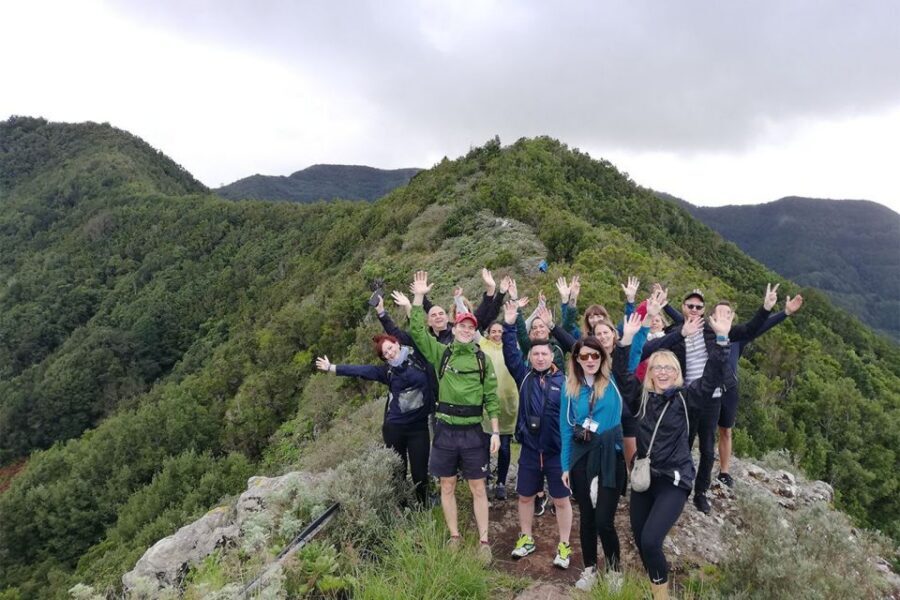
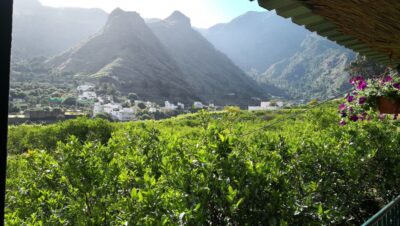
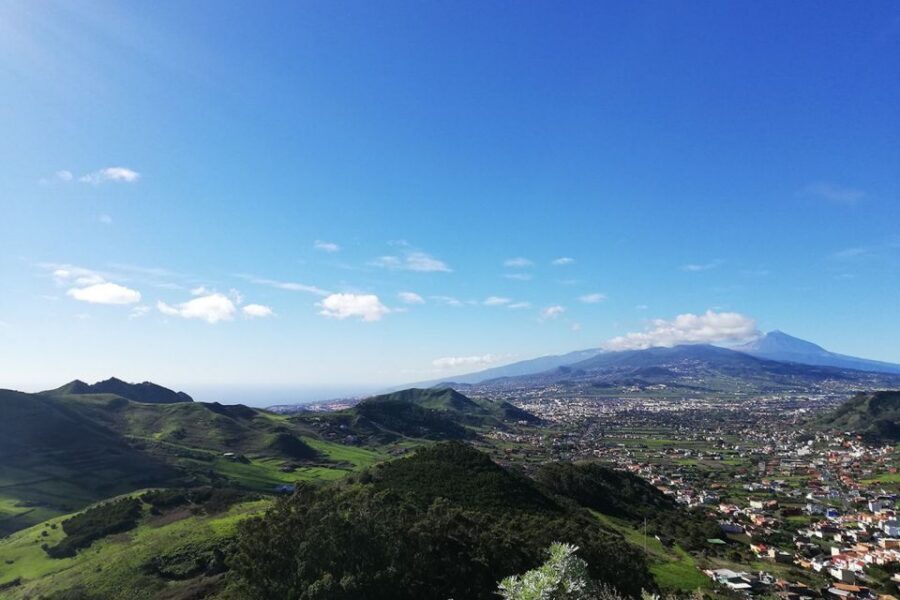
Most hikes in Tenerife end with a view. This one feels like it earns it. You start at a mirador area above the forest, then spend real time walking through Anaga Rural Park before the trail rises and opens up. By the time you reach the volcanic dome area near Taborno, you get that shift: closed-in green forest to sudden, wide-open outlooks.
The laurel forest is the star, especially because it’s not just scenic. The guide’s job is to explain why this place matters—how the reserve’s ecosystem works, and how islanders historically used plants from the mountains. In reviews, people highlight that guides took the time to point out wild plants tied to cooking and local life, which turns a hike into something you remember at lunch.
And then there’s the payoff: Taborno is a hamlet known as a viewpoint spot, perched near the junction of two gorges. When you reach the cliffs facing the northeast shore, the coastline and ridges give you a sense of scale that photos rarely capture.
You can also read our reviews of more tours and experiences in Tenerife.


Meeting at Mirador Cruz del Carmen: how the day starts
You meet at Mirador Cruz del Carmen, and the tour runs for about 3.5 hours. There’s no hotel pickup or drop-off, so your day will work best if you can get yourself to that meeting point (then later you get transferred back after the hike).
The meeting place matters more than you might think. Starting at a mirador area means you’re not wasting time driving around to “find the trail.” You transition quickly into walking terrain and begin building your mental map of the Anaga mountain chain—forest behind you, gorge direction ahead, and the northeast-coast views showing up as the route progresses.
Before you go, I’d treat this like a walking day, not a casual stroll. Reviews consistently stress sturdy footwear and a pace that can still include steep up-and-down movement. The good news: guides keep groups together and adjust so you’re not getting left behind.
The climb toward the volcanic dome near Taborno
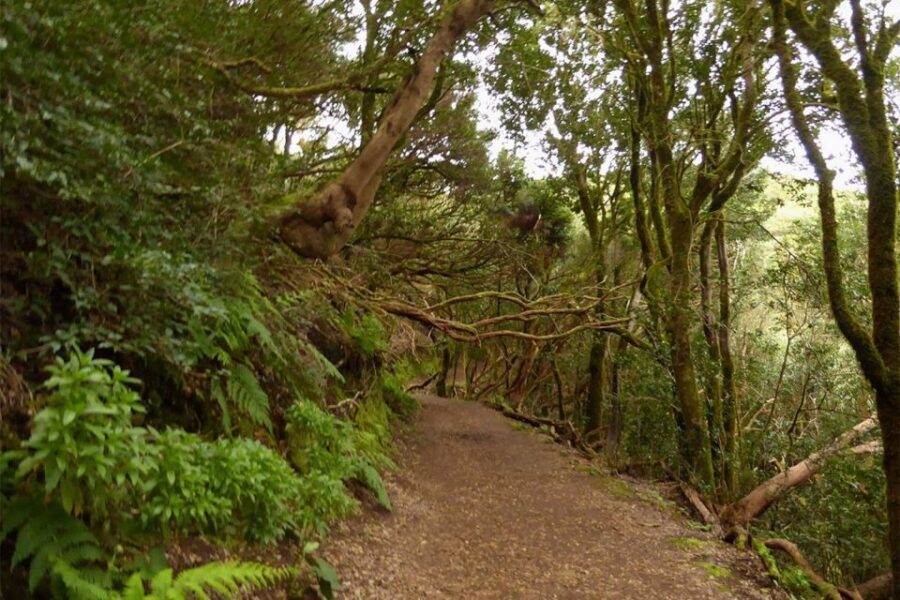
The route goes to a volcanic dome area close to the hamlet of Taborno, then returns downhill through the laurel forest. That basic shape—up to the high point, then back down through the forest—is what creates the tour’s feel.
You’ll spend the climb moving through sections where the forest canopy changes and the trail starts to aim you toward open views. It’s a “work your way to the panorama” hike. People mention steep climbs, so if you’re the type who likes flat routes, you may find this pushes your legs earlier than expected.
What makes this part worth it is the storytelling that tends to kick in as the terrain changes. Guides point out plants in the wild and explain local uses. This is also where you’ll likely hear about how Anaga contains areas where older, pre-Hispanic knowledge and practical uses have been carried longer than in some other places. You’re not just walking; you’re learning how locals read the mountains.
If you’re worried about pace, look for guides known for setting a relaxed rhythm. Several reviews describe Cao and other guides adjusting speed for different hikers so the group stays together. That’s the difference between a hike that feels like a test and one that feels like a guided day out.
Laurel forest walking: the UNESCO part you can feel
Once you’re moving through the laurel forest, the tone shifts. The air feels cooler, the path feels more enclosed, and the guide’s plant notes become more meaningful because you’re surrounded by the very environment being described.
This is where you should pay attention to details beyond the view. Guides commonly highlight plants you see along the way—some tied to everyday cooking and others tied to the forest ecosystem itself. In one experience led by Aaron, the guide pointed out plants used in daily cooking. That kind of info makes the forest feel less like scenery and more like a living pantry—though what you learn will depend on the route conditions and what plants are easiest to spot that day.
Anaga’s UNESCO status isn’t just a label. It’s why you get a guided interpretation instead of a generic “walk and take photos.” The best moments happen when the guide stops the group briefly, points out a species, and connects it to how people historically lived here. Even if you’re not a plant nerd, you’ll likely end up caring because the explanations line up with what’s around you.
Taborno country life: gorges, viewpoints, and practical mountain knowledge
Taborno isn’t just a destination dot on a map. It’s described as a hamlet right on top of the crane of two different gorges—a location that makes it naturally viewpoint-focused. As the path approaches the cliff-facing sides toward the northeast shore, the scenery turns more dramatic and you’ll understand why people historically settled and looked outward from this kind of terrain.
This part of the hike also leans into how Anaga functions as a working mountain chain. The guide explains local uses of plants and how people interact with the landscape. Reviews mention that guides discussed how the region is used and how some older island practices have stayed in memory longer here, especially related to plant knowledge.
If you like travel that feels grounded in daily life, this is a win. You’re not just climbing mountains—you’re learning how islanders read those mountains. That’s why lunch afterward lands so well: it feels like a continuation rather than an unrelated “reward stop.”


Lunch with local food products: what you actually get
After the walk, you eat lunch with local products. The tour includes local food tasting, and the lunch is served at a typical local place according to multiple experiences. That’s important: you’re not just given a snack; you end the hike with a proper sit-down meal.
What should you expect to taste? You can count on Canarian food. Many reviews single out the delicious quality of the restaurant meal and describe it as a strong finish after the views. Some groups also mention that there were options for vegetarians and vegans, which is worth noting if you have dietary needs—just remember that the exact menu isn’t spelled out in the tour details you provided.
One practical tip: you’ll be hungry in a good way. With steep sections and a forest walk, your body will want real calories. Plan to arrive at lunch ready to slow down and savor, not just “eat fast and go.”
If you’re traveling with friends, this is also the easiest moment to bond. You’ve all just shared a tricky climb and a guided lesson on plants; talking over Canarian dishes feels natural.
Guides like Cao and Aaron make the difference
A guided hike can be either a slideshow or a real conversation. Here, the reviews strongly suggest it’s the latter.
Guides named Cao and Aaron get praised for how they move through the group while sharing details you wouldn’t notice on your own. People mention attentive, friendly guiding and a solid command of languages—Cao is noted as speaking multiple languages and quickly switching when groups are mixed. In another experience, Aaron was highlighted for pointing out wild plants used in cooking and explaining the area in a way that made it click.
What that means for you: you’ll get more than route facts. You’ll learn what to look for—plants, forest features, and human connections to Anaga. The pacing matters too. Several reviews describe relaxed walking speed, even when the route is steep. That combination—information plus a manageable pace—is why people leave with a strong recommendation.
Difficulty, weather, and what to pack for 3.5 hours
This is not a “flip-flops and vibes” outing. The tour explicitly says no sandals or flip flops, and you should wear comfortable shoes. Reviews reinforce that sturdy walking shoes are the right call, and at least one person said sandals would be impossible for this route.
Bring a thin jacket. Drizzle is common in Anaga, and a light layer helps you stay comfortable if weather shifts mid-hike. You don’t need heavy winter gear; you need something that keeps wind and mist from making the forest walk miserable.
Energy-wise, plan for steep climbs both up and down. The route’s structure—up toward the volcanic dome area and then down through the laurel forest—means you’ll work even if the day feels scenic and peaceful. If you have knees that don’t love downhill, take your time on descents.
Also keep in mind the tour isn’t suitable for people with mobility impairments. If that’s a factor for you, you’ll want a different Tenerife option.
Price and value: what $65 buys you in Anaga
At $65 per person for about 3.5 hours, you’re paying for three things that add real value:
- A guided route through a specific protected area (not just “walk somewhere scenic”)
- Interpretation that connects plants and local uses to what you’re seeing
- A local-food lunch that ends the experience in a satisfying, non-touristy way
The price is easier to justify because you’re getting more than views. The guide’s plant explanations and the emphasis on local products make the day feel like a cultural experience, not a fitness-only outing. And the included transfer back to Cruz del Carmen helps close the loop once you finish.
The one cost/consideration is simple: you provide your own transport to the meeting point since hotel pickup isn’t included. If you’re already based near the area or you can easily arrange the start, the value feels stronger.
Who this hike suits best (and who should choose another day)
This tour fits best if you:
- Want a guided Anaga experience focused on the laurel forest and Biosphere Reserve context
- Like hikes where you learn something practical (plants, uses, island life), not just where you take photos
- Are comfortable with steep sections and can handle climbing and downhill footing
You might skip it if:
- Your mobility needs make steep trails unrealistic
- You’re looking for a flat, low-effort walk
- You dislike weather variability and don’t want to carry a light jacket for mist or drizzle
The group can be small, and multiple reviews mention small-group dynamics, which often means the guide can respond better to different walking levels. Still, don’t assume it’s private—just know the experience tends to feel personal.
Should you book Cruz del Carmen Hiking in Anaga?
I’d book it if you want Anaga to feel meaningful. The combination of laurel forest walking, a route that opens toward Taborno viewpoints, and a proper lunch with local products makes this a solid “do it once right” hike in Tenerife.
I’d hesitate if you’re avoiding steep trails or you need barrier-free access. And if you’re expecting a super gentle stroll, this won’t match that mood.
For the right fit, it’s a great value: you’re paying for a guided day with strong payoffs—views, practical plant insights, and a Canarian meal that closes out the experience.
FAQ
Where do I meet for the hike?
Meet at Mirador Cruz del Carmen.
How long is the experience?
The tour lasts about 3.5 hours.
Is hotel pickup included?
No. Hotel pickup and drop-off are not included.
What’s included in the price?
The price includes a transfer back to the starting point from Cruz del Carmen and a local food tasting/lunch.
What should I bring and wear?
Wear comfortable shoes. Bring a thin jacket because drizzle is common in Anaga.
Are sandals or flip flops allowed?
No. Sandals or flip flops are not allowed.
What languages are offered for the guided tour?
The live guide is available in English, French, German, and Spanish.
Is this tour suitable for mobility impairments?
No, it’s not suitable for people with mobility impairments.